











Lt. Col. Martin Krč: When the Threat of Death Becomes Real, You Start to Think DifferentlyLt. Col. Martin Krč: When the Threat of Death Becomes Real, You Start to Think Differently
We return once again to the command headquarters of the subordinate battalions of the 7th Mechanized Battalion in Hranice, specifically to Přáslavice. Along with the 73rd “Hanácký” Tank Battalion, the 72nd “Major General Josef Buršík” Mechanized Battalion has also been stationed here since 2000. Since 2025, it has been led by Lieutenant Colonel Martin Krč, with whom we present the following interview.
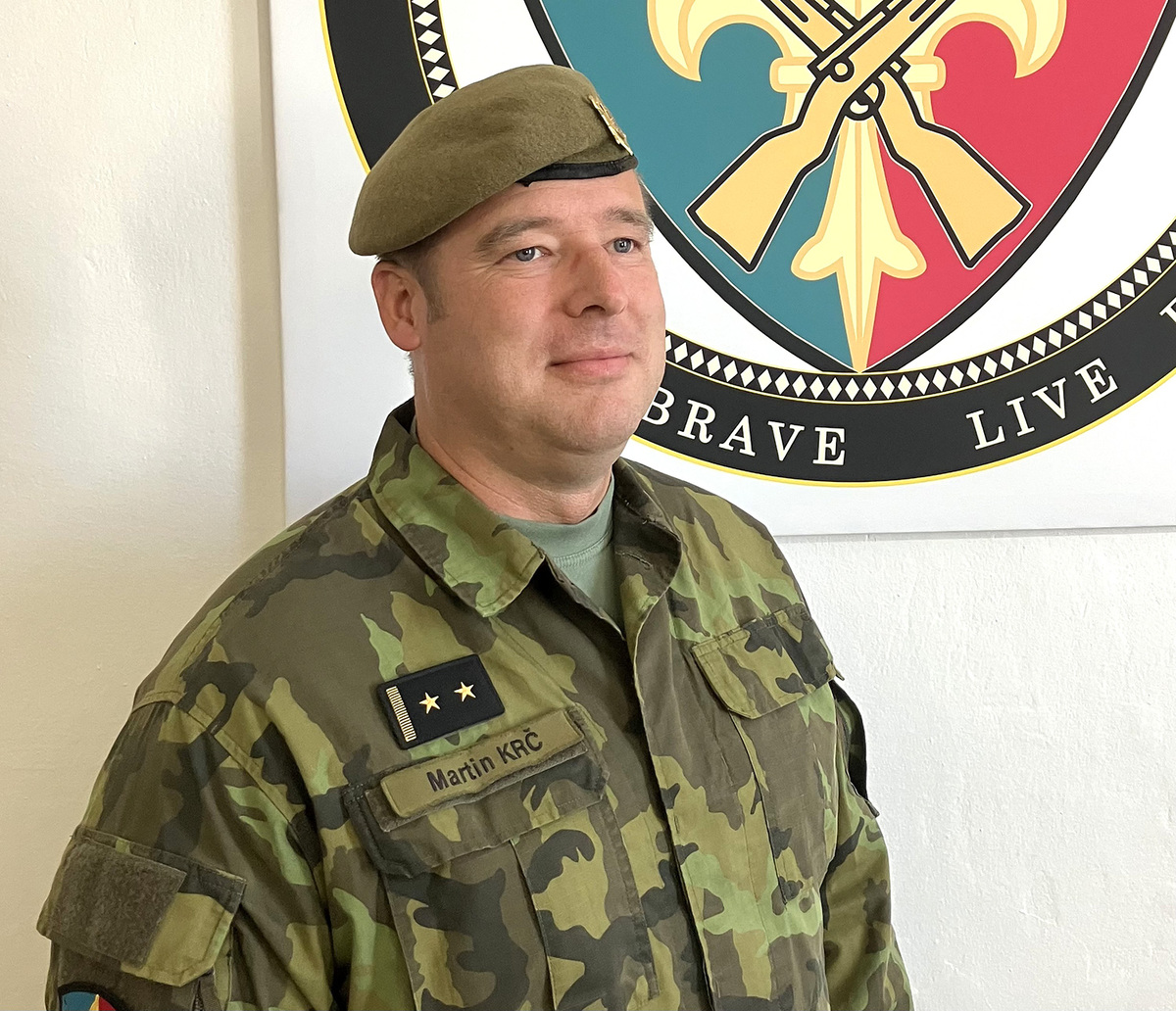
In 2004, you began your service with the 72nd Mechanized Battalion as a platoon commander. Did it ever occur to you back then, as a young lieutenant, that you would one day become the commander of that same battalion?
Of course, that never even crossed my mind. When I took over as commander of a mechanized platoon in 2004, I was – to put it mildly – struggling to find my footing. I was trying to figure out as quickly as possible how the unit operated and what was actually expected of me. Back then, the battalion commander was a figure of great authority to me, with vast experience and boundless insight. Over time, however, one naturally overcomes those initial challenges and prepares for higher and more responsible positions. The idea that I would one day command a battalion – let alone the very same battalion where I started – never really crossed my mind.
In your opinion, how has the 72nd Mechanized Battalion changed over the 20 years of its existence, or rather, how have its capabilities evolved?
It has changed a lot. When I joined, the battalion was just being formed and reorganized, and the first soldiers were arriving. You could say that if it weren’t for the conscripts, the barracks were essentially empty at that time. But the change isn’t just that we no longer have conscripts and our personnel levels are higher than they were back then—the weapons have also changed, and some of the equipment has been replaced with modern versions. What I see as the greatest advancement, however, is the experience we’ve gained. Over the past 20 years, the battalion has participated in a number of overseas operations and carried out many missions both within our country and in neighboring countries. Not only overseas operations, but also international exercises and other forms of cooperation with foreign partners have certainly elevated the battalion’s experience and capabilities to the high level it currently maintains.
Can the role of a lieutenant in 2000 be compared to that in 2026?
Well, that’s a complicated question. I’d say that the demands placed on my generation were different from those placed on the current generation of incoming lieutenants. My personal experience is that today’s lieutenants are well-prepared theoretically, and thanks to internships at the units where they’ll actually be stationed, these new commanders have a significant advantage at the start of their careers. Personally, I feel that when I started here, we platoon commanders were ready for anything; we were the kind of people who saw everything as a challenge. Whether today’s lieutenants see it that way, however, is anyone’s guess. There’s a lot of talk these days about Generation Z, which makes no secret of the fact that it has a slightly different view of the world. Overall, though, it comes down to specific individuals. Sometimes I get the feeling that today’s young people – and I don’t mean lieutenants here – are just, as they say, giving it a try.
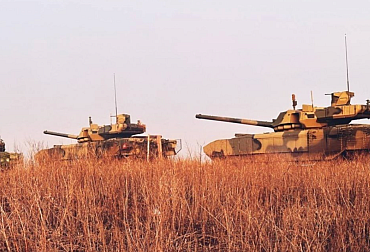
From 2016 to 2018 and then from 2023 to 2025, you held staff positions at the headquarters of the 7th Mechanized Brigade. Why do you think it’s important for a future battalion commander to have served on the staff of a higher command?
This experience is definitely an eye-opener and broadens one’s horizons. Higher-level headquarters always have a slightly different set of tasks than lower-level headquarters or units. Thanks to this experience – which can only be gained through physical presence at higher echelons – one comes to understand how planning and decision-making processes work at higher levels. Another benefit is building contacts and understanding the interconnections. Ultimately, upon returning to a lower echelon, it’s easier to understand the tasks assigned by superiors. It’s very easy to sit in a platoon and complain that something doesn’t make sense, but only the opportunity to create a meaningful order – or at least to participate in its creation – will help you understand certain processes and see the bigger picture. And the only way to understand the intentions of superior commanders is to work on the staff of a higher command.
From 2020 to 2023, you served as deputy commander of the 71st Mechanized Battalion in Hranice. Looking back now, can you assess what experiences you gained there?
That’s hard to say. While every mechanized battalion in the 7th Mechanized Brigade has the same organizational structure, each one is always a little bit different. Personally, I think it was a perfect experience because I was able to observe the small differences that make each battalion unique. It’s not just about specific procedures, but also about the different atmosphere within the unit. It was an opportunity to bring something new to the unit and take something away with me. So for me, it was a great experience, but to say specifically what I took away from it – well, that’s hard to put into words.
You graduated from the U.S. Army Command and General Staff College in the U.S. What did this program offer you?
Studying in the U.S. was one of the key milestones in my career so far. It was very beneficial because I had the opportunity to learn how the U.S. Army operates, how it utilizes various combat support and logistical capabilities, and also how the U.S. Army approaches cooperation with NATO and allied armies. The course focused not only on the military application of force and support but also on history and leadership. When studying history, we didn’t just look at historical battles, but primarily at the reasons why they actually occurred and what the consequences of those armed conflicts were. This provides an opportunity to understand historical events and learn from them for both the present and the future. But what was most beneficial for me was the way leadership was taught. I’m talking about the use of case studies. After each lesson, where we discussed how to proceed in non-standard situations as a commander—but above all as a leader—we had the opportunity to analyze and evaluate the appropriateness of commanders’ behavior and decision-making through case studies. This provides a truly valuable resource when commanding a unit yourself. I believe that a great deal of emphasis is currently placed on this here as well, and it is truly very important.
Why does the U.S. military place such an emphasis on teaching history, and why isn’t this taught in the Czech Armed Forces?
So that new commanders can understand the potential consequences of their decisions and avoid mistakes that have already occurred in the past. That’s the simple answer. I’m not saying it isn’t taught in the Czech Armed Forces, but it certainly isn’t given the same emphasis.
You’ve completed four overseas missions: one in the Balkans and three in Afghanistan. Which of them was the most challenging from a combat standpoint?
Well, that’s also hard to assess, because every mission was different. If I take the deployment to the Balkans, that was a peacekeeping mission. As for Afghanistan, that was a whole different story. And even though I was at the same base twice, with the same unit and the same mission, each of those missions was a little different. I don’t just mean that the first mission used different equipment; the point is that the situation was evolving and changing incredibly quickly. For me personally, my second deployment to Afghanistan – specifically with the 10th PRT unit – was the most difficult, or rather, the one that provided the most valuable combat experience.
In 2012, you served in the 10th PRT unit. How did mechanized operations differ under the conditions there compared to those in the Czech Republic?
The main difference was that we had a completely different mission than we do here. Here at home, our mission is to prepare for primarily defensive and offensive operations, whereas in Afghanistan, our primary mission was to protect civilian experts while they were working. Another difference is that we used wheeled vehicles and drove mainly on paved roads, whereas here we have tracked vehicles capable of moving off-road. As for tactics involving vehicles, however, they were, of course, very similar. So I think the biggest difference was in the mission itself.
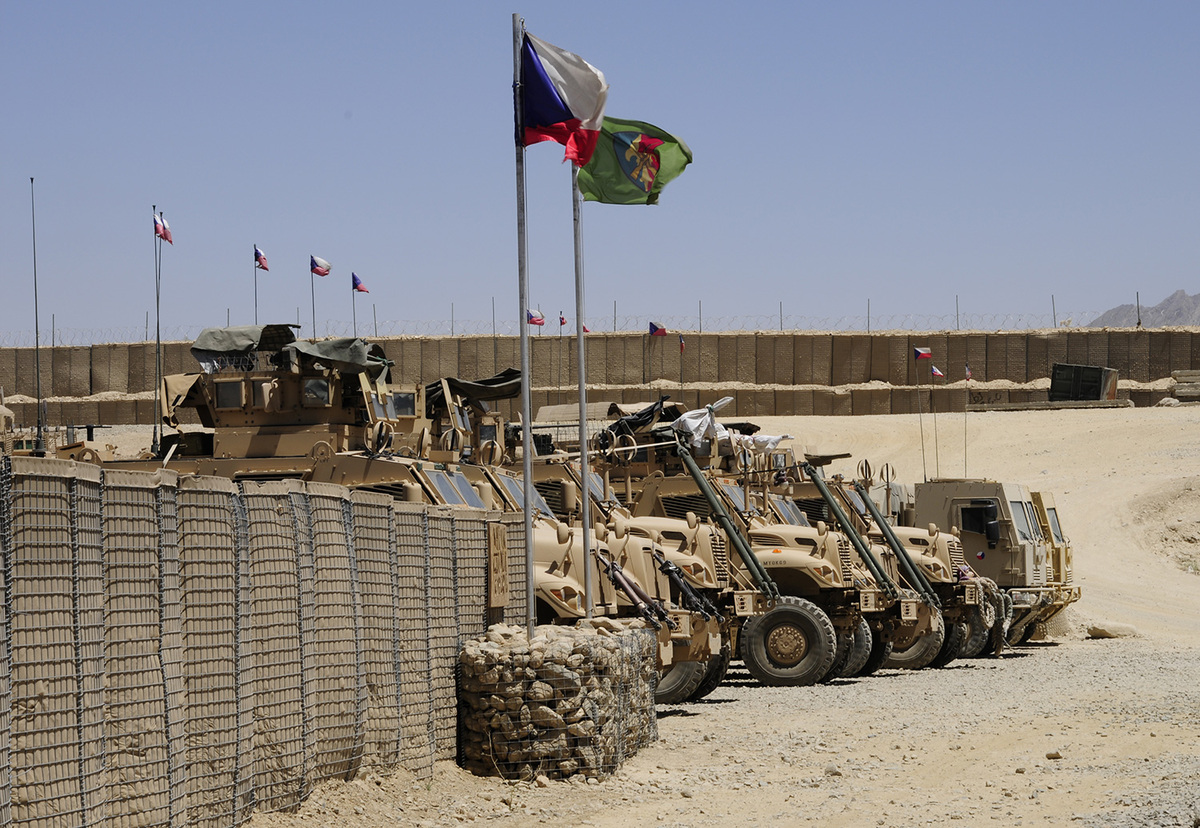
IEDs were the insurgents’ most powerful weapon against coalition forces. What lessons did you learn from that experience?
For us, of course, this wasn’t anything new—at least on a theoretical level. We had already focused extensively on this area during our predeployment training. But when you’re actually facing this threat in places where it has already happened and you know it can happen at any moment, all your senses are on high alert. Unfortunately, IEDs are a common occurrence in modern conflicts. Today, warfare no longer takes place on a symmetrical battlefield, and the real threat of explosive devices is high. Every conflict always involves various groups with their own interests or the interests of third parties, so we must anticipate the possibility of IEDs being used not only by an identified enemy but essentially from all sides. And that is the risk. For us, this simply means that focusing on this area is very important, which is why we are doing so even now.
The PRT was a combat mission. Did you also consider the possibility that you might not return from the mission?
Theoretically speaking, yes. Probably anyone you ask about this before they leave for an overseas operation will say that, of course, they expect that possibility. But that statement only holds true until the first shot is fired—or until the first rocket flies overhead. And when the threat of death starts to take on truly real contours, you start to think a little differently. I don’t think anyone is actually prepared to go there to die.
Let’s return to the Czech Republic. What sets the 72nd Mechanized Battalion apart from the brigade’s other two mechanized battalions is the organizational structure of its mortar battery, which is equipped with 120mm vz. 85 PRÁM-S self-propelled mortars. What is the exact composition of the mortar battery?
Yes, we are the only battalion in the Czech Armed Forces to have self-propelled mortars with a weapon system built into a vehicle based on the BVP-2 chassis. In total, we have one fire squad equipped with towed mortars – that is, towed by a Tatra T815 – and two fire squads equipped with the aforementioned self-propelled mortars. That is what sets us apart from the brigade’s other mortar batteries, and indeed from the rest of the Czech Armed Forces.
What is the current combat value of the vz. 85 PRÁM-S self-propelled mortars, considering the year they were introduced into service with the former Czechoslovak People’s Army?
Of course, neither we nor the equipment are getting any younger, so some age-related malfunctions are beginning to show. Since this self-propelled mortar is unique within the Czech Armed Forces, maintenance – and, of course, repairs – are more demanding. Nevertheless, we strive to keep everything combat-ready and prepared for use. Overall, I believe these self-propelled mortars still hold great value for combat operations.
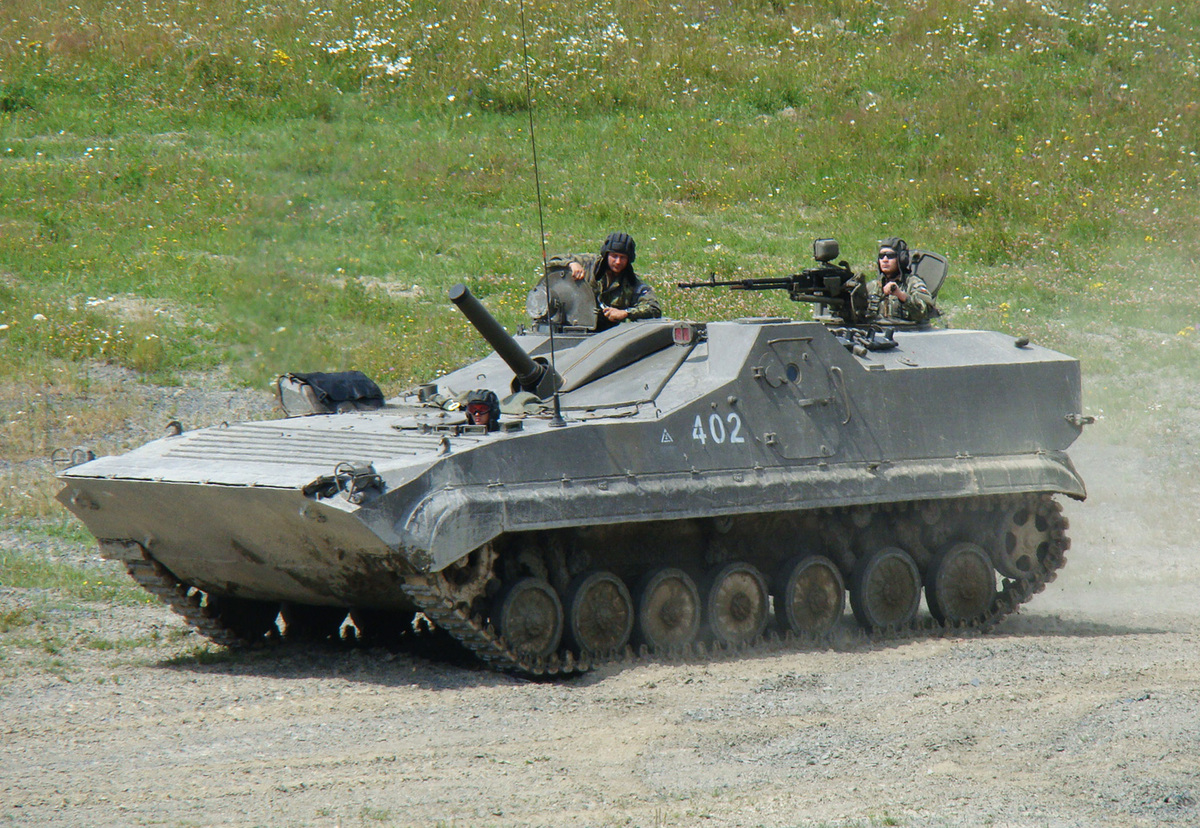
How are these weapons used in current military conflicts within battalion formations, compared to towed mortars?
The greatest advantage of self-propelled mortars is speed. The speed at which they can move into a firing position, carry out a firing mission, and withdraw from the area is far greater than that of towed mortars. And that is crucial for survival on the battlefield today, regardless of the age of the equipment. For this reason, self-propelled mortars are still widely used. Another advantage is the protection of the mortar crew, as all activities related to carrying out firing missions take place inside the vehicle.
The speed at which a fire mission is completed and the subsequent redeployment are decisive on today’s modern battlefield. Isn’t the introduction of modern self-propelled mortars into the arsenal of mechanized battalions the optimal path?
I see this as the best path for rearming with modern mortars.
Let’s now turn to the frequently discussed topic of combined-arms brigades. Can you imagine the 7th Mechanized Brigade returning to the combined-arms organizational structure?
I can imagine combined-arms brigades, and as far as I’m concerned, that would be the right path. Probably the greatest advantage of a combined-arms brigade is that it has all types of combat support and logistical support at its disposal, so it does not need to request the allocation of forces and resources from these units. Because these are the brigade’s organic units, commanders and staff are better able to utilize the capabilities of these assigned units. In our context, task forces are formed to conduct operations, but joint training is more complicated – though not impossible. I would really favor a return to combined-arms brigades.
Has the Ukrainian battlefield highlighted the absence of certain weapons or technologies in the mechanized battalion’s composition?
Well, the most frequently discussed topic is probably drones. We really lack them, and we should focus on the versatile use of drones. Of course, we’re trying to keep pace with developments in the conflict in Ukraine and are incorporating drones into our training; however, I think this should be expanded a bit. And, of course, another thing that’s proving to be important is UGVs – unmanned ground vehicles – which can handle a lot of work. They’re very useful, for example, for resupply, evacuating the wounded, and so on. Overall, however, the battalion doesn’t suffer from a significant lack of weapons, technology, or capabilities needed to conduct modern combat.
Your battalion is stationed on the same base as the 73rd Tank Battalion. Is there any healthy rivalry between you?
I wouldn’t really call it rivalry. The difference between the battalions is obvious – our primary weapon – but our mission within the brigade is essentially the same. I’d say having a tank battalion in the garrison is more of an advantage, because we can help each other out.
What’s your opinion on the role of women in the military? After all, you’ve already had a woman serve as your chief of staff.
As far as I’m concerned, the role of women in the military is irreplaceable. After all, it doesn’t matter whether a man or a woman is in a given position; what matters is how capable the individual is of carrying out their duties. Of course, there are positions that are better suited for men, but women generally have a more level-headed approach and tend to be more meticulous. A great example is the aforementioned female Chief of Staff, who is a tremendous asset to the battalion thanks to her meticulousness. Personally, I would never stand in the way of women serving in the military.
In the German Bundeswehr, women serve even in tank units. What is the situation with women in mechanized units in your country?
We don’t have a single woman in our mechanized units. It’s not that we specifically don’t want them there or that we prohibit it; women simply don’t apply for these positions. This is likely due to the demanding nature of the work in combat units.
Another frequently discussed issue is the staffing levels of our army. How is your battalion doing in terms of meeting its personnel quotas?
As far as recruitment goes, we don’t have a major problem. We’re consistently getting enough people to maintain the necessary staffing levels. The question is more about how to retain certain individuals in the battalion, because some of them are just here to give it a try. Occasionally, some new recruits realize they’ve simply knocked on the wrong door and leave within a few days or weeks. They simply find that it’s not what they expected. In general, however, we have good recruitment potential in our area and are able to maintain the necessary staffing levels.
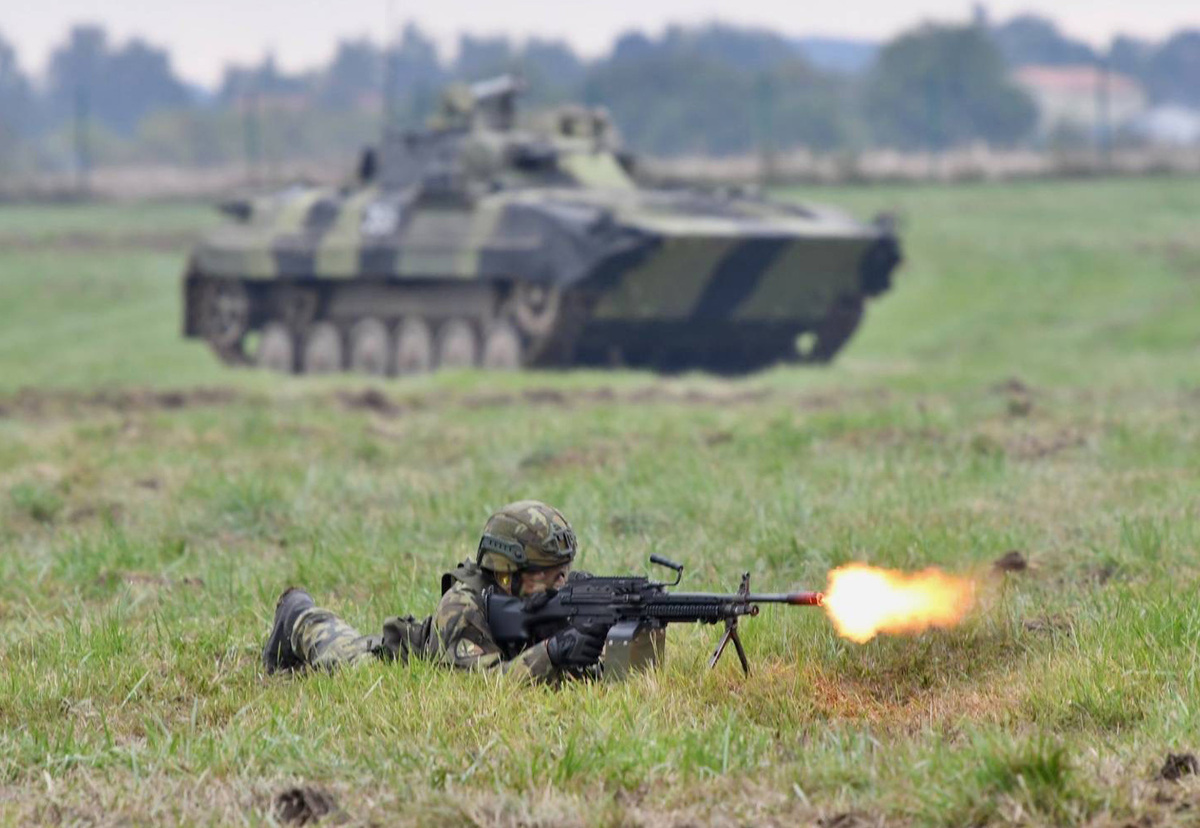
In this interview, you mentioned the importance of teaching history in the military. For example, if you mention the name Major Henrik Sucharski in the Polish military, you’ll immediately hear that he’s the hero of Westerplatte. But what happens when you mention the name General Josef Buršík in our military?
We think of a strong and brave man with extensive combat experience from World War II. But he was also a great moral role model. For this reason, the 72nd Mechanized Battalion adopted the honorary name “General Josef Buršík.” For us, General Buršík is a symbol of courage, an excellent commander who was not afraid to be the first to go into action, always on the front lines. The battalion’s motto, “Fight heroically, live freely!” fits General Josef Buršík’s character perfectly.