






Norway Receives Its First M3 System, Sparking Debate in the Czech Republic
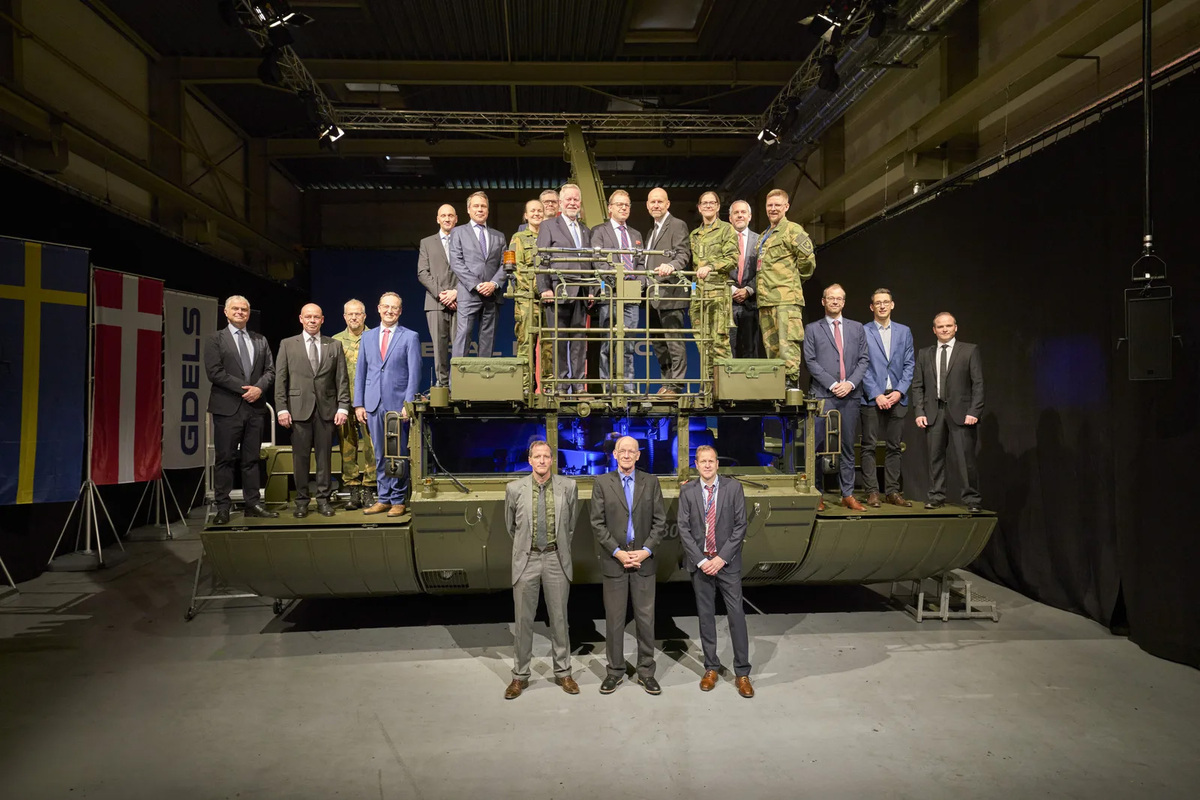
Approximately one year after signing the contract, Norway took delivery of its first M3 amphibious bridge and ferry system from General Dynamics European Land Systems (GDELS). The handover ceremony took place at the Kaiserslautern plant and represents a significant milestone in the modernization of Norway’s engineering units. Norway also became the sixth NATO member state and the third country within the Nordic defense cooperation framework NORDEFCO to adopt this system into its arsenal. At first glance, this may seem like just another acquisition of engineering equipment. In reality, however, Norway’s decision reflects a broader trend observable across NATO. The war in Ukraine has once again highlighted the critical importance of military mobility and the ability to rapidly cross water obstacles. Maintaining the pace of operations, supporting the maneuver of heavy units, and securing logistics routes are once again among the top priorities of Alliance armies today.
NATO Invests in Water-Crossing Capabilities
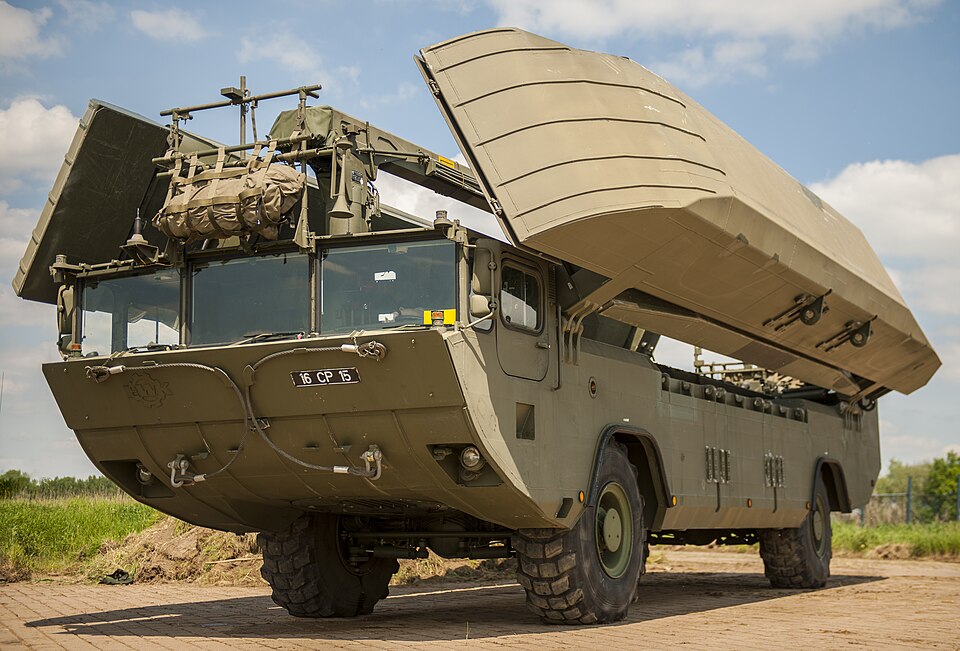
The M3 system is considered one of the most capable water-crossing systems. According to expert sources, it is the Alliance’s fastest system of its kind, capable of deploying floating bridges and ferry assemblies within minutes. The M3 is a self-propelled 4×4 amphibious vehicle capable of independent movement on land and water. Individual vehicles can be linked together as needed to form bridge or ferry assemblies without the use of heavy support equipment. The system reaches speeds of up to 80 km/h on roads, and its load-carrying capacity is up to MLC 85 for tracked vehicles and approximately MLC 130 for wheeled vehicles. This allows for the transport of NATO’s heaviest combat vehicles, including the Leopard 2 and M1 Abrams tanks. The system’s capabilities have been repeatedly demonstrated in practice. During the Dragon 24 exercise, German and British engineers used M3 vehicles to build a floating bridge across the Vistula River approximately 350 meters long, which enabled the movement of a large formation of Alliance forces.

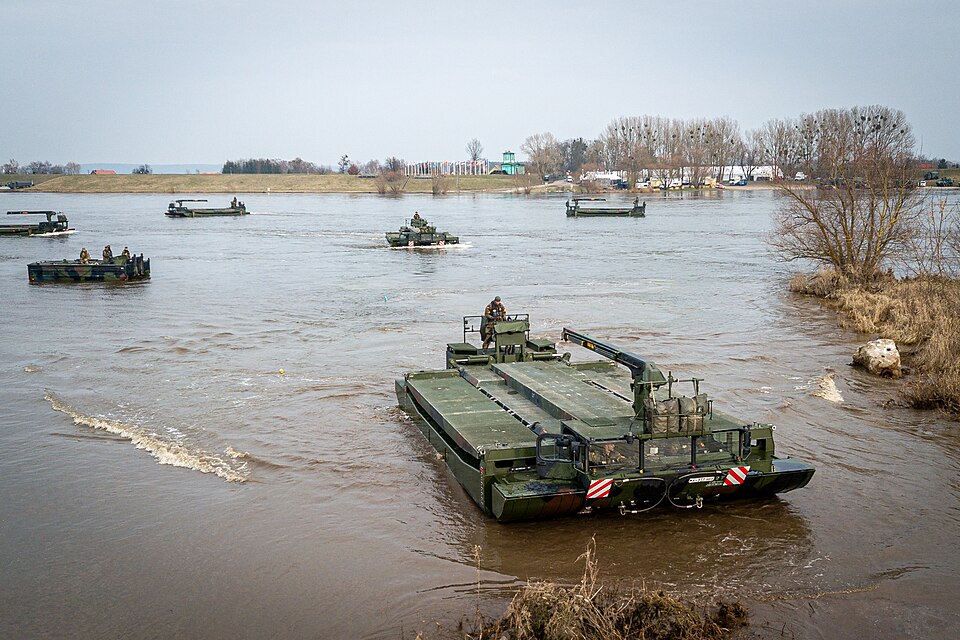
Norway is not the only country paying close attention to this area. The importance of “wide wet gap crossing” capabilities – that is, the ability to cross wide water obstacles – is also confirmed by the joint German-British program for the new generation of M3 EVO bridge systems. Its deployment is planned to begin in 2029, providing further evidence that Alliance armies consider mobility to be one of the key capabilities of the future battlefield. Another significant advantage of the system is its interoperability. Using special adapters, the M3 can also be integrated with the SRB, FSB, and IRB bridge systems used, for example, by the German and U.S. armed forces. This enables the formation of large-scale multinational engineer units and increases the flexibility of Alliance operations.
What lessons can the Czech Republic draw from this?
Norway’s acquisition does not automatically mean that the Czech Armed Forces should procure the same system. Nevertheless, it opens up a legitimate expert debate on the future of the Czech Republic’s capabilities for crossing water obstacles. The territory of the Czech Republic is crisscrossed by a dense network of major waterways, including the Elbe, Vltava, Morava, and Dyje rivers. In the event of an armed conflict, sabotage, or widespread damage to infrastructure, bridges would likely be among the critical points of the transportation network.
At the same time, the Czech Armed Forces are continuing to build a heavy brigade, whose combat effectiveness will depend not only on the quality of its equipment but also on the ability to rapidly deploy heavy equipment both within the country and across the Alliance’s operational area. From this perspective, modern engineering and bridge-laying capabilities are gaining in importance. In the short term, more intensive involvement of Czech engineering units in Alliance exercises focused on crossing water obstacles appears to be the most realistic path forward. Germany, in particular, would be a logical partner, as it has been operating the M3 system for a long time and is the closest user of this technology in Central Europe. Such cooperation would allow the Czech Republic to gain experience with state-of-the-art procedures without the need for immediate investment in a new system.
Applications Beyond Military Operations
The potential benefits of modern bridge systems need not be limited to military operations. In the event of widespread flooding or the collapse of transportation infrastructure, similar systems could theoretically contribute to the rapid restoration of transportation links, the evacuation of residents, or the delivery of supplies to affected areas. However, this aspect represents an analytical consideration of the technology’s potential uses and is not part of the Norwegian program as such.

The delivery of the first M3 system to Norway confirms that NATO is bringing back to the forefront capabilities that were often neglected after the end of the Cold War. Mobility, engineering support, and the rapid crossing of water obstacles are once again becoming key prerequisites for successful ground operations. For the Czech Republic, Norway’s acquisition is not a call for the immediate purchase of the same system. However, it does provide an impetus to consider whether the current capabilities of the Czech Army will, in the long term, meet NATO’s growing requirements for military mobility and support for heavy forces. And from a military perspective, this question is perhaps the most interesting implication of Norway’s decision.