















General Petr Šnajdárek: The military must change the way it procures technology and create opportunities for testing it
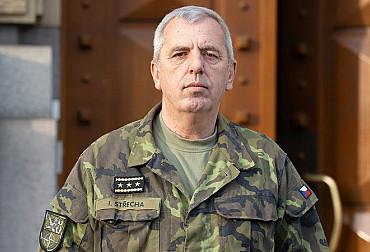
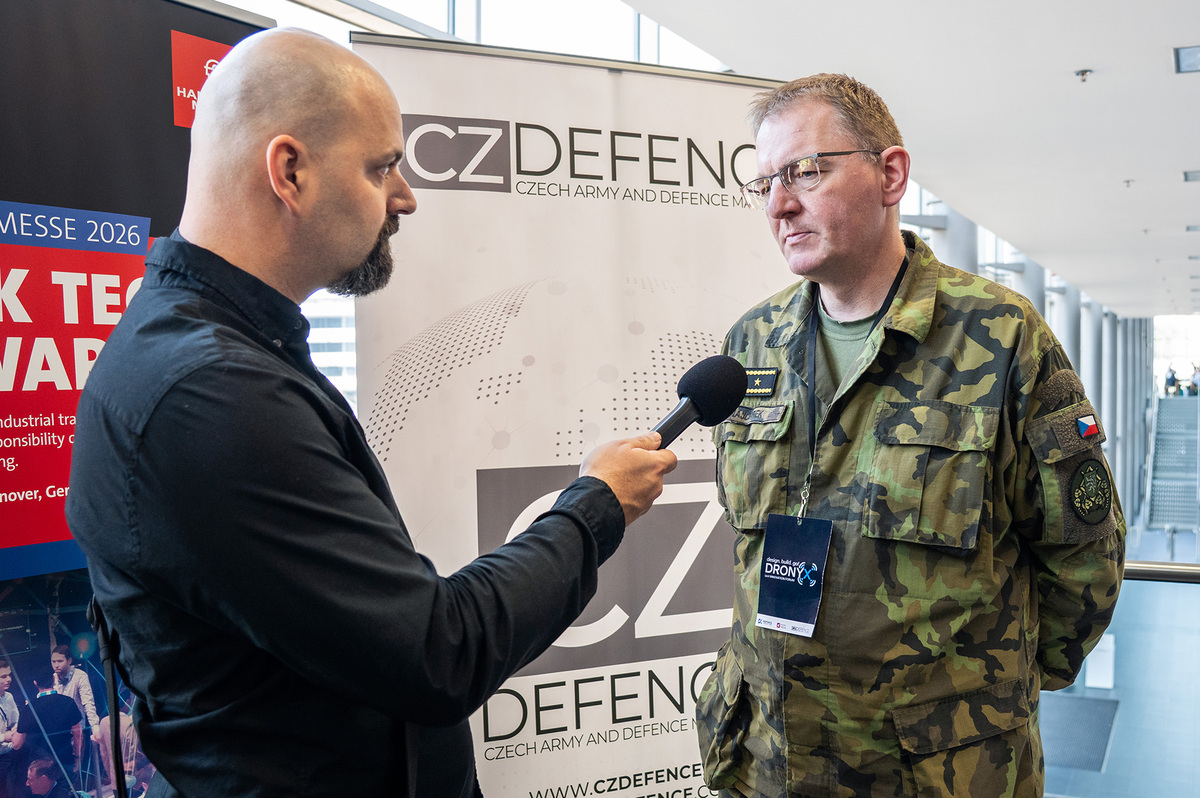
According to Brigadier General Petr Šnajdárek, Director of the Communications and Information Systems Division at the Ministry of Defense, rapid technological advancements in the fields of digitalization, autonomous systems, and artificial intelligence place significant demands on the military’s ability not only to keep pace with these technologies but, above all, to effectively implement them. At the same time, the traditional approach to procuring military equipment is becoming unsustainable in the current environment. We bring you an interview conducted during the DronyX conference, which CZ DEFENCE magazine co-organized with Defence Consulting.
Video: General Petr Šnajdárek: The military must change the way it procures technology and create opportunities for testing it / CZ DEFENCE
A change to the rigid acquisition system
In an interview, General Šnajdárek pointed out that the current system for procuring military assets is largely rigid and fails to keep pace with the rapid pace of technological development. In response to this situation, the Ministry of Defense is working to implement new approaches that will enable a faster and more flexible response to emerging technologies.
One of these steps is the introduction of a concept for the ongoing evaluation of technologies even before their full-scale implementation in the military. In practice, this means procuring a limited number of samples, testing them, and subsequently deciding on potential acquisition based on real-world experience.
The goal of this approach is to eliminate situations where technology reaches the military only after a significant time lag, during which it may already become partially obsolete. According to the general, the current model—in which specifications are prepared over several years and the actual acquisition follows with a further delay—is unsustainable under today’s conditions.
The national test range as a key infrastructure
According to General Šnajdárek, another key element of this shift in approach is the construction of a national testing range in Lipník nad Bečvou, which is scheduled to open this June and will focus on technologies related to the digitization of command and control. This project is the result of several years of efforts to establish capabilities within the army for the systematic testing of new technologies, which had previously been lacking.
The range will be used to test a wide range of technologies, including unmanned and robotic systems, next-generation communication networks (5G, 6G), soldier support systems, modular technological solutions, and additive manufacturing applications.


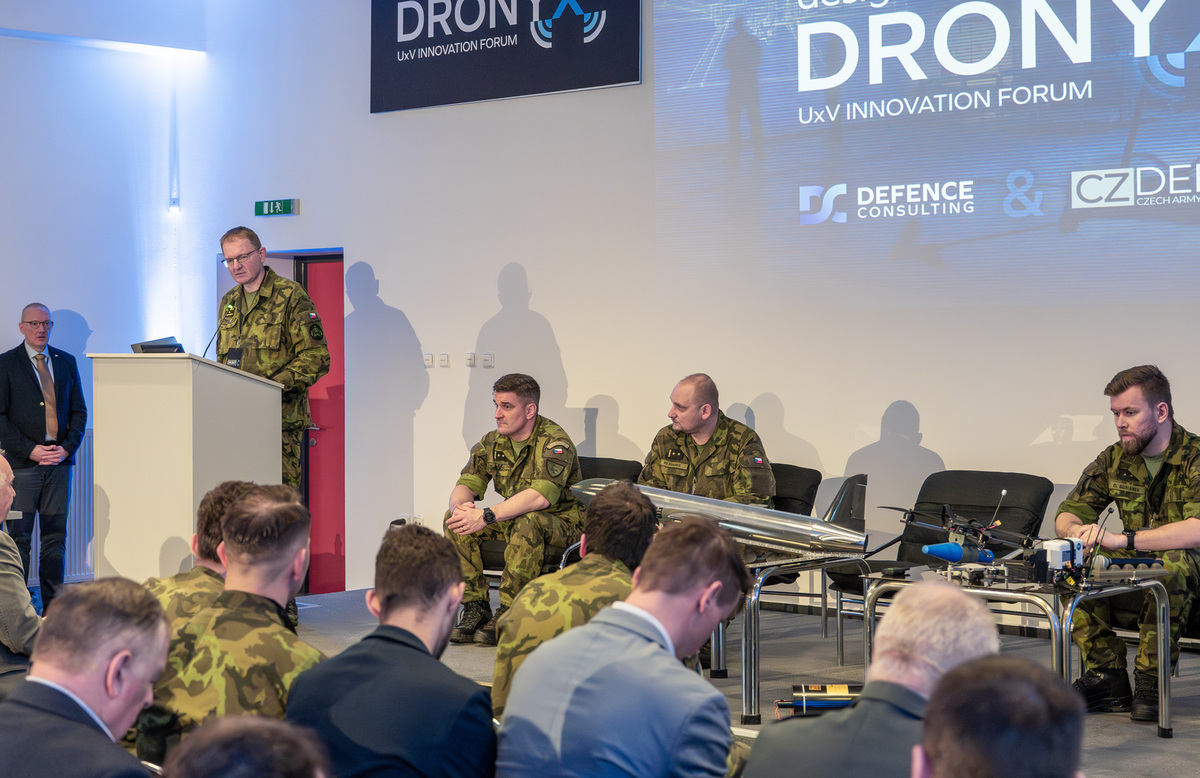
An important aspect is the ability to test these technologies in a real-world operational context, including their integration with existing military systems, even under conditions corresponding to various levels of classification.
Bridging the military and civilian worlds
Šnajdárek also emphasized that the key to effectively developing capabilities lies not only in the technology itself, but above all in bringing together experts from different fields. The test range is therefore intended to serve as a platform where military and civilian technologies converge, as well as experts from the military, industry, and the startup community.
This approach enables not only technological testing but also the sharing of experiences and the creation of procedures for the practical application of new solutions in a military environment. In addition to the technological aspect, the test range thus supports the development of operational procedures and doctrinal thinking.
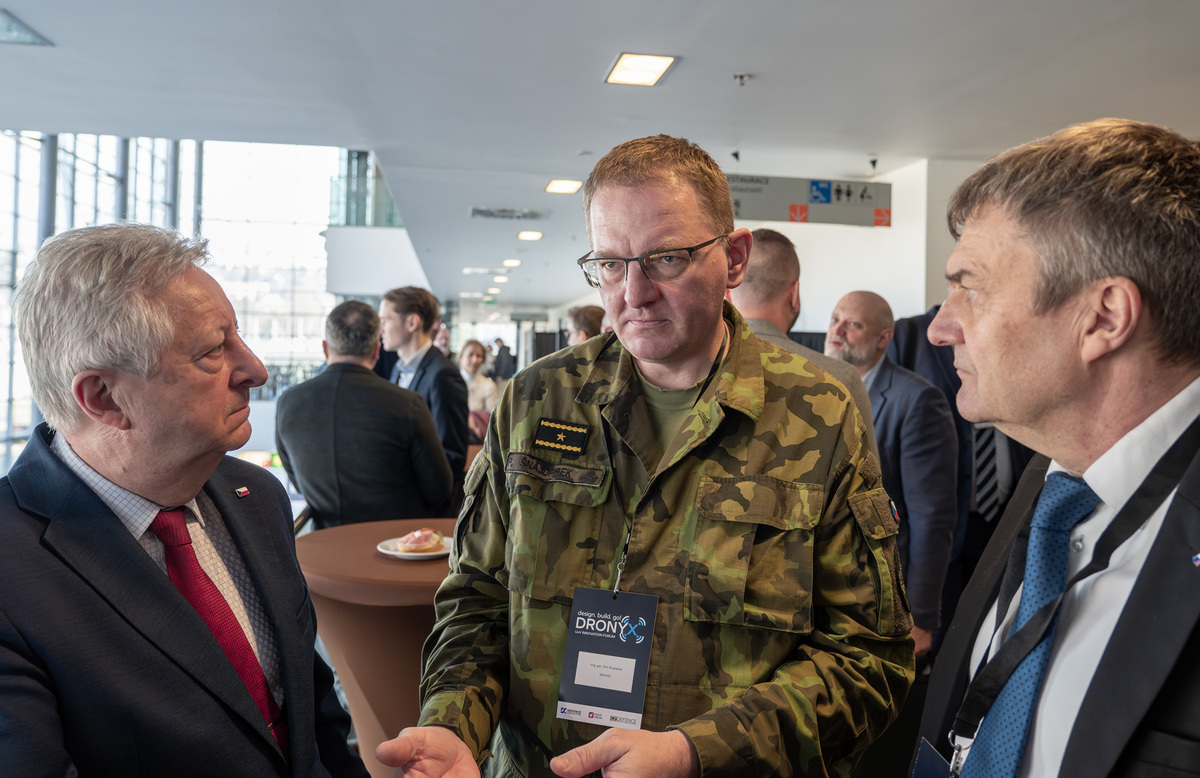
Open communication as a prerequisite for change
According to General Šnajdárek, open communication across institutions is also a key element of the entire process. He therefore views conferences such as DronyX as an important platform that facilitates the sharing of experiences not only between the military and industry, but also among the various state security agencies, including the police and the fire department.
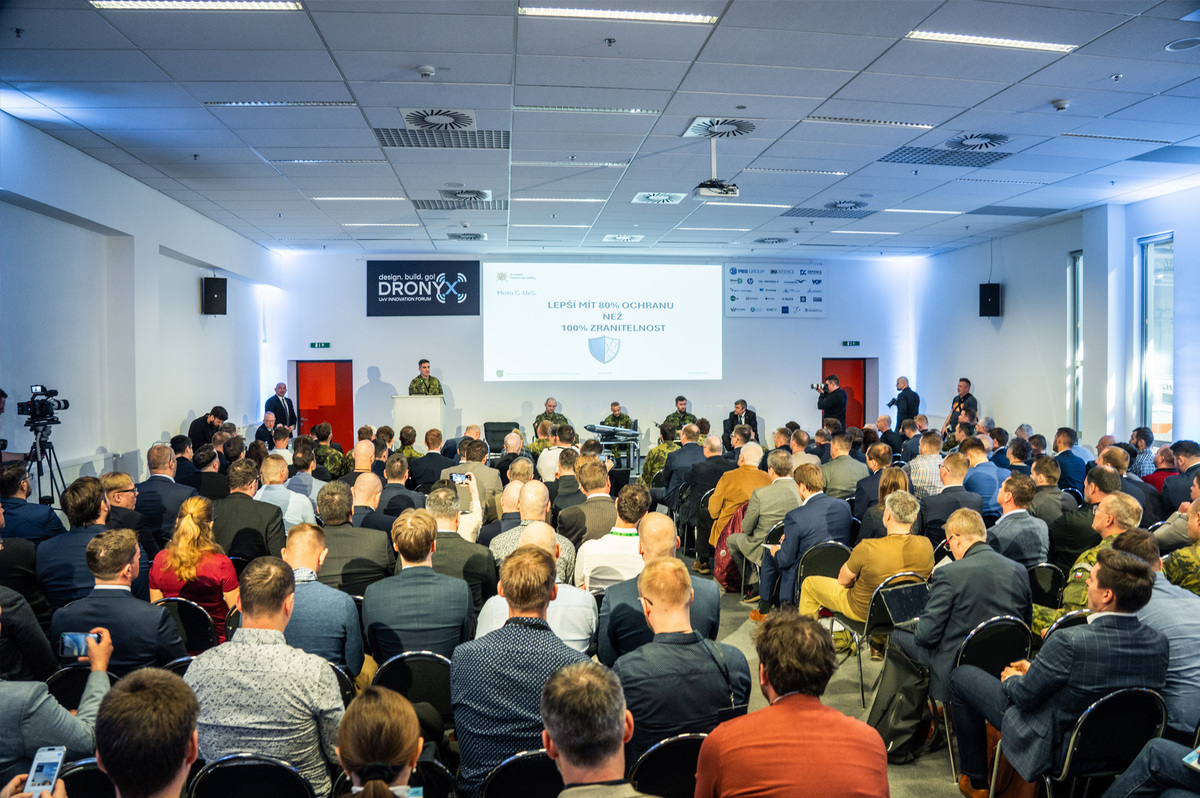
This exchange of information is essential for effectively responding to security threats that increasingly blur the lines between the military and civilian spheres. At the same time, it underscores the need for openness to international cooperation and comprehensive solutions that go beyond the scope of national industries.
Artificial intelligence: both an opportunity and a risk
In the field of artificial intelligence, the general highlights its dual nature. On the one hand, it presents a significant opportunity to streamline processes and enhance capabilities; on the other hand, however, it also brings new risks, particularly in the area of hybrid and cyber threats.
The need for rapid adaptation
At the conclusion of the interview, Brigadier General Šnajdárek emphasized that the pace of technological development makes it impossible to stick to traditional methods. According to him, the ability to quickly adapt processes, communicate openly, and effectively test new technologies is becoming one of the key factors in ensuring the nation’s defense capabilities.
What is essential, however, is not only technological innovation but also a shift in mindset across the entire system; and according to the director of the Ministry of Defense’s Communications and Information Systems Section, the current environment leaves no room for delay, as developments in the fields of security and technology are advancing at a pace that requires an immediate response.