








Future Forces 2026: Day One Marked by Technological Debuts, Military Modernization, and the Future of the Czech Defense Industry
On Wednesday, October 21, Prague’s Letňany became the center of the European defense and security industry. The 16th annual Future Forces 2026 international trade fair was officially opened by President Petr Pavel, with Defense Minister Jaromír Zůna, Minister of Industry and Trade Karel Havlíček, NATO representatives, and other prominent domestic and international guests in attendance. This year’s event welcomed more than 530 exhibitors from seventy countries and offered an extensive showcase of modern defense technologies, innovations, and solutions addressing current security challenges.
Video: Future Forces 2026: The First Day Featured Technological Debuts, Military Modernization, and the Future of the Czech Defense Industry / CZ DEFENCE
The opening day featured not only strategic debates on the future of European defense, but also the premieres of new technologies, presentations of modern weapon systems, and demonstrations of equipment whose development has been significantly influenced by experiences from the war in Ukraine. One of the main topics was the ability of European countries to accelerate the modernization of their armed forces, strengthen the production capacities of the defense industry, and respond flexibly to the changing nature of armed conflicts.

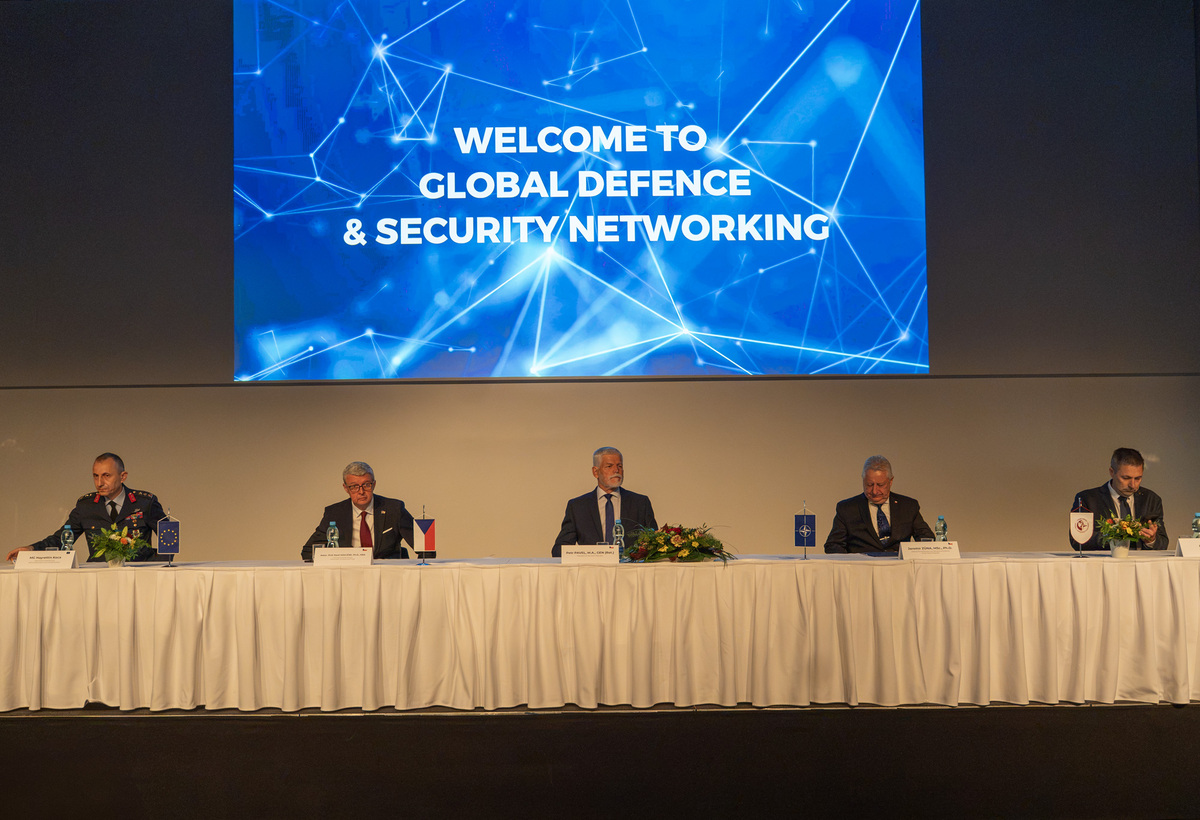
A key part of the program was the Defence 2035+ strategic conference, focused on adapting European defense to the new security reality. Discussions centered on building defense capabilities, industrial readiness, and cooperation among NATO member states, governments, and technology companies. Linking military needs with industrial capabilities was one of the main themes of the opening day.
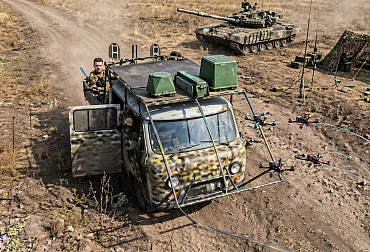
Technological premieres attracted considerable attention. ERA unveiled the EW-DEC, a decoy radar target designed to deceive the enemy (EW stands for electronic warfare; DEC is short for “decoy”). This device transmits signals that mimic real radar equipment, causing the enemy to “see” radars on the battlefield that do not actually exist. The system protects valuable friendly assets from destruction by luring the enemy toward false targets, while simultaneously masking genuine reconnaissance activities on the battlefield.
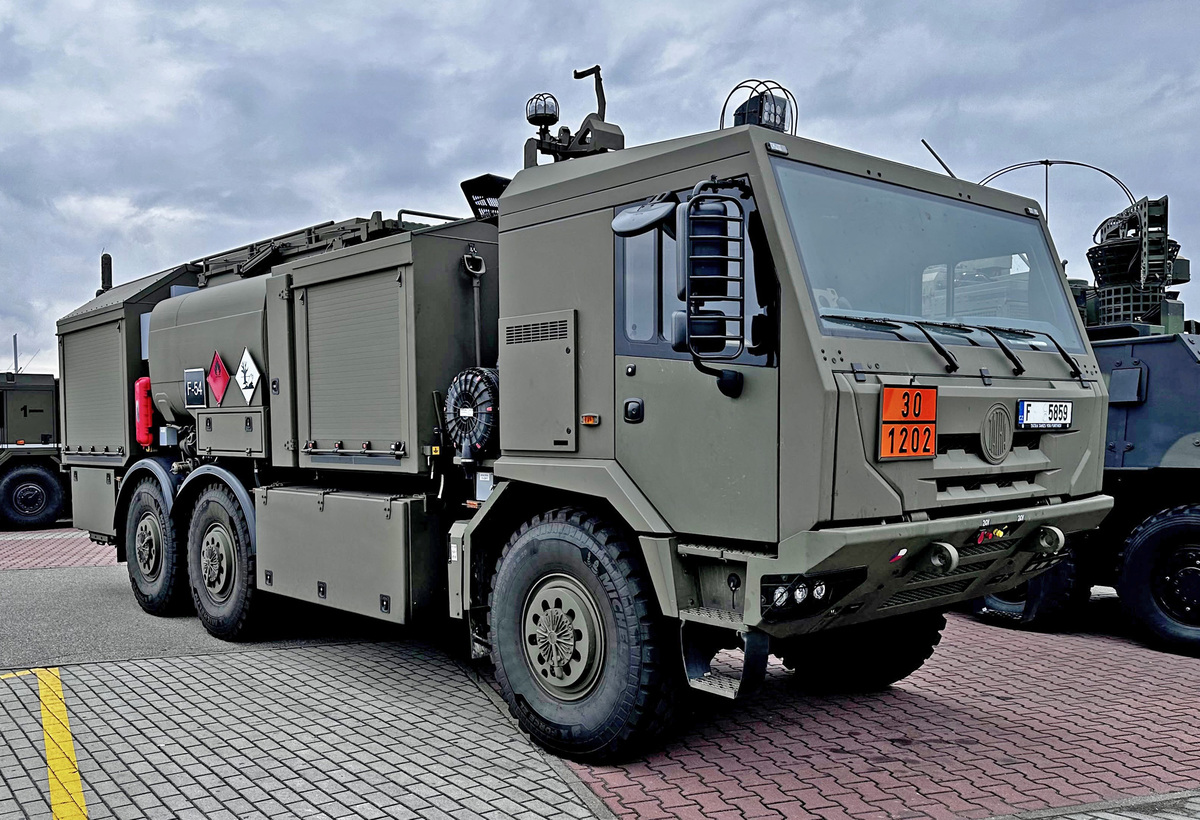
The state-owned enterprise VOP CZ also unveiled the CAP SHADOW Tanker, a multifunctional tanker built on a Tatra Force chassis, in a world premiere. This new solution makes it possible to supply fuel not only to ground vehicles but also to aircraft and helicopters of allied armies.
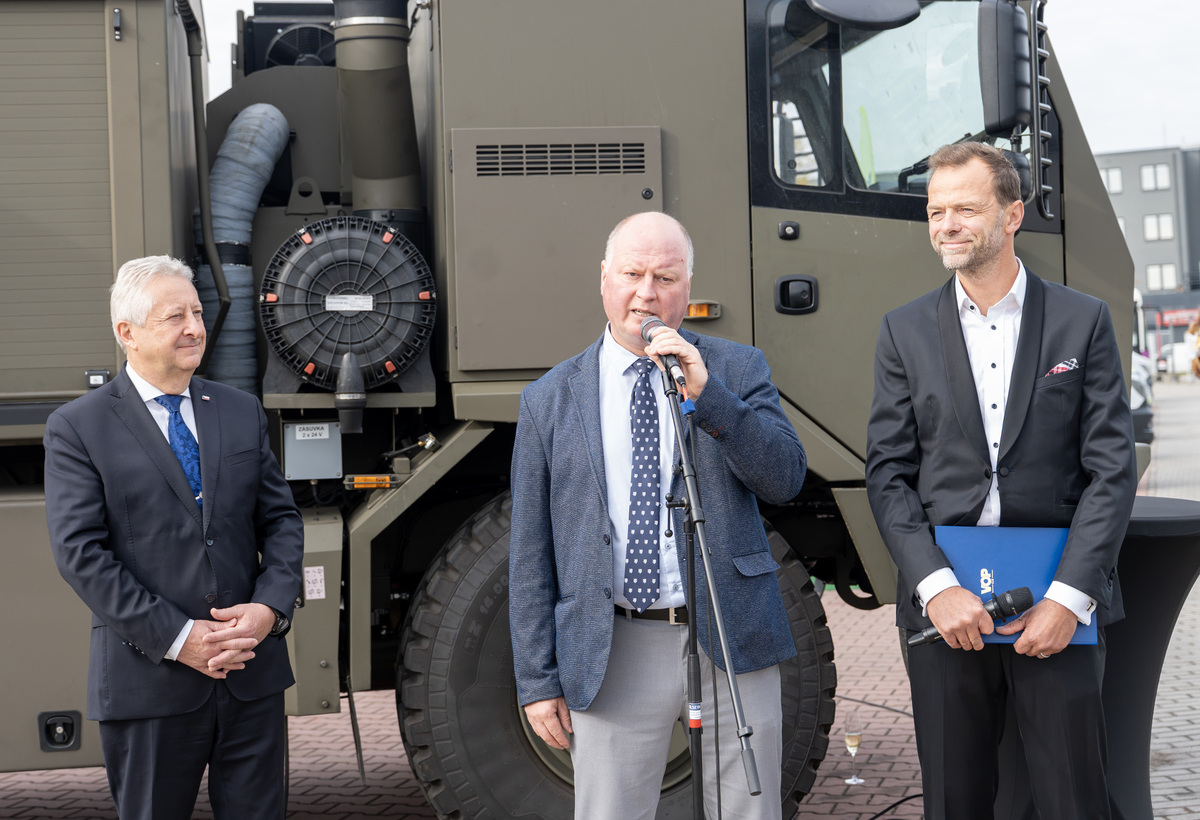
The most significant new feature of this vehicle is its ability to refuel not only ground vehicles but also aircraft and helicopters from all NATO member states.
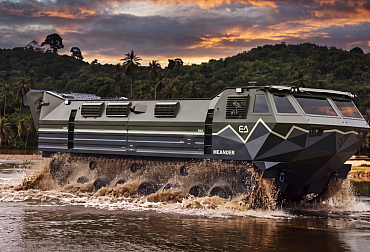
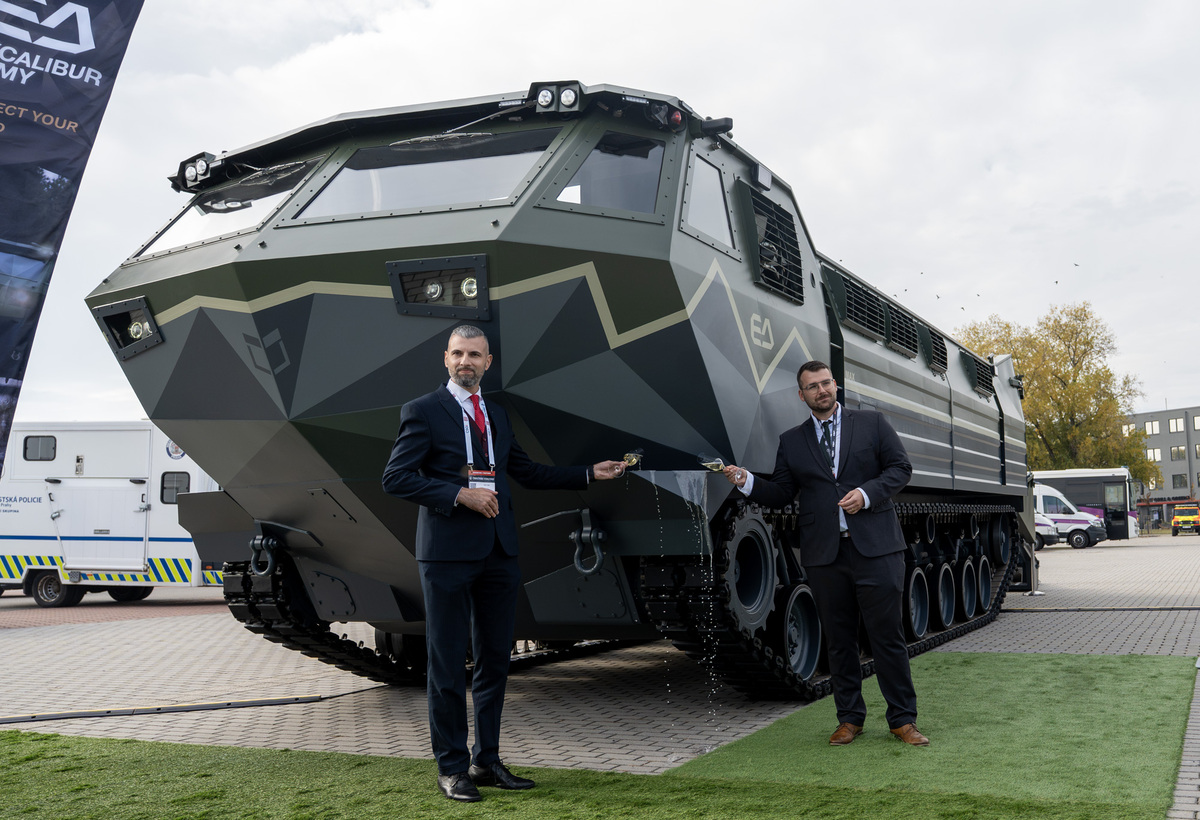
CSG also included a world premiere in its program, unveiling the new, unique Meander amphibious vehicle for military use. This vehicle is designed for operation on land and water, including difficult-to-navigate environments such as swamps, rivers, and wetlands. At the Future Forces 2026 exhibition, it was presented in its basic transport configuration for hauling materials, vehicles, ground equipment, or personnel.
The Meander is based on the KALAN model, which New Space Technologies had previously unveiled and which is currently being tested by the Czech Fire Department. Excalibur Army and New Space Technologies formalized their collaboration on the Meander’s design with a memorandum of understanding at the Eurosatory 2026 trade show, and just a few months later, its first prototype was unveiled at the Future Forces 2026 exhibition. Excalibur Army is responsible for military, operational, and user requirements, while New Space Technologies is responsible for technical, design, and manufacturing development, including the first prototype.
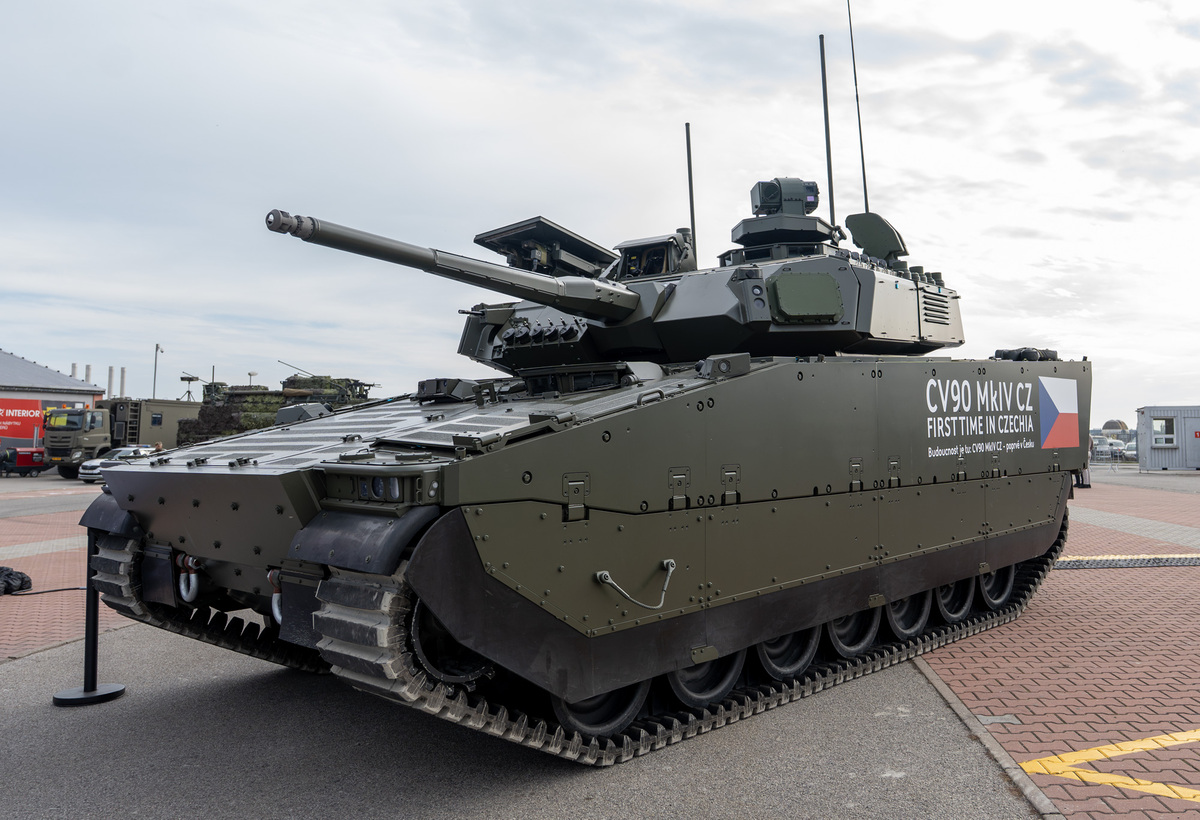
Visitors to the trade show also had the opportunity to see, for the first time in the Czech Republic, the CV90 MkIV infantry fighting vehicle in its Czech configuration, which is one of the Czech Army’s key modernization projects.
Significant attention was also given to the topics of unmanned systems, robotics, and cybersecurity. The technical program included conferences focused on autonomous systems, modeling and simulation, cyber defense, and drone detection and tracking. The S-Tech Talks discussion addressed unresolved issues in unmanned combat operations, while other experts presented options for protecting critical infrastructure and new approaches to civilian security.
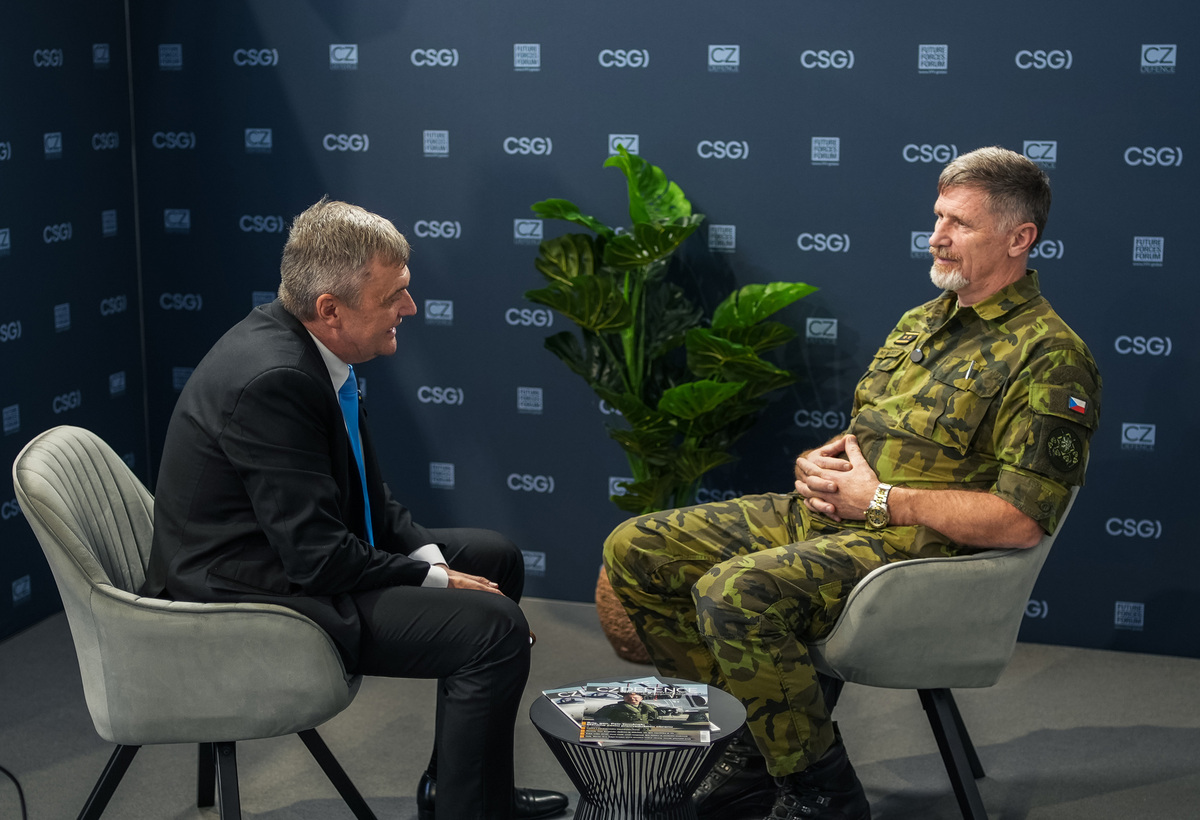
On Wednesday, we welcomed prominent figures from the political, military, industrial, and academic spheres to the CZ DEFENCE studio on the exhibition grounds. Our goal is to offer answers – right in the heart of the exhibited military equipment and systems – to questions about the direction Czech defense will take, the capabilities our military needs, and how domestic companies are responding to growing demands.
We spoke with Major General Petr Milčický, Director of the Force Development Section at the Ministry of Defense, about the priorities for modernizing the army and developing its capabilities. Jakub Landovský, Director General of the Defense Policy and Strategy Section at the Ministry of Defense, provided a strategic perspective on European security, NATO commitments, and the future of defense policy.
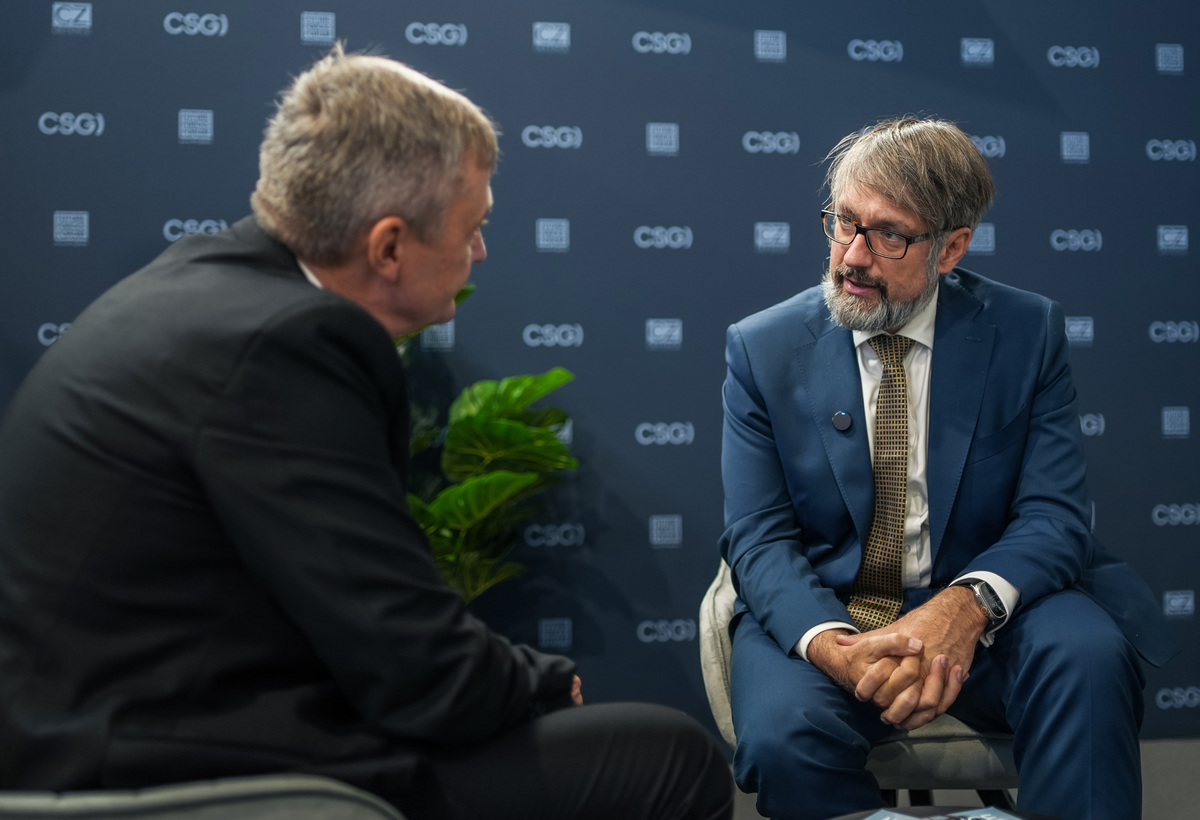
We discussed the issue of cyber and hybrid threats with Colonel Luděk Janeček of the General Staff, commander of the 92nd Cyber Warfare Group.
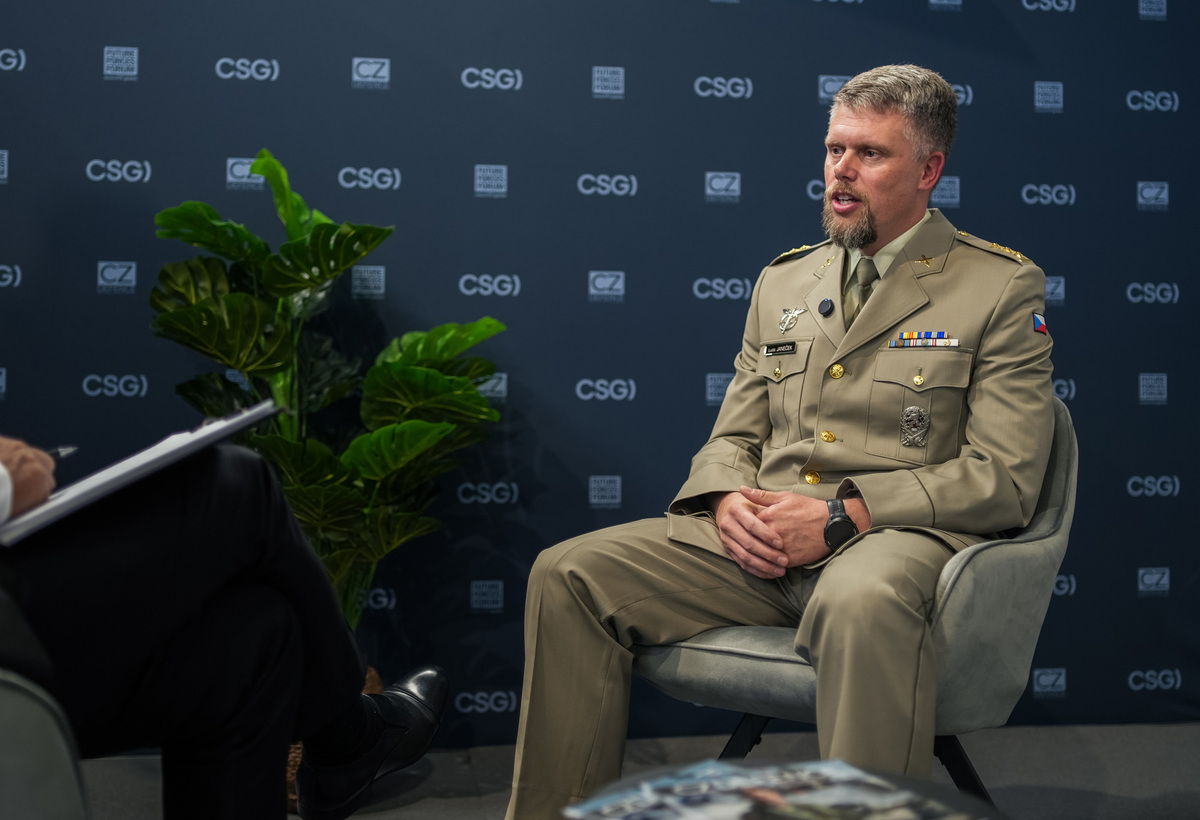
The Czech defense industry was well represented at the studio. Tomáš Rubáček, Chairman of the Board of Directors of STV GROUP, presented the company’s perspective on the development of its portfolio and the new demands of the modern battlefield.
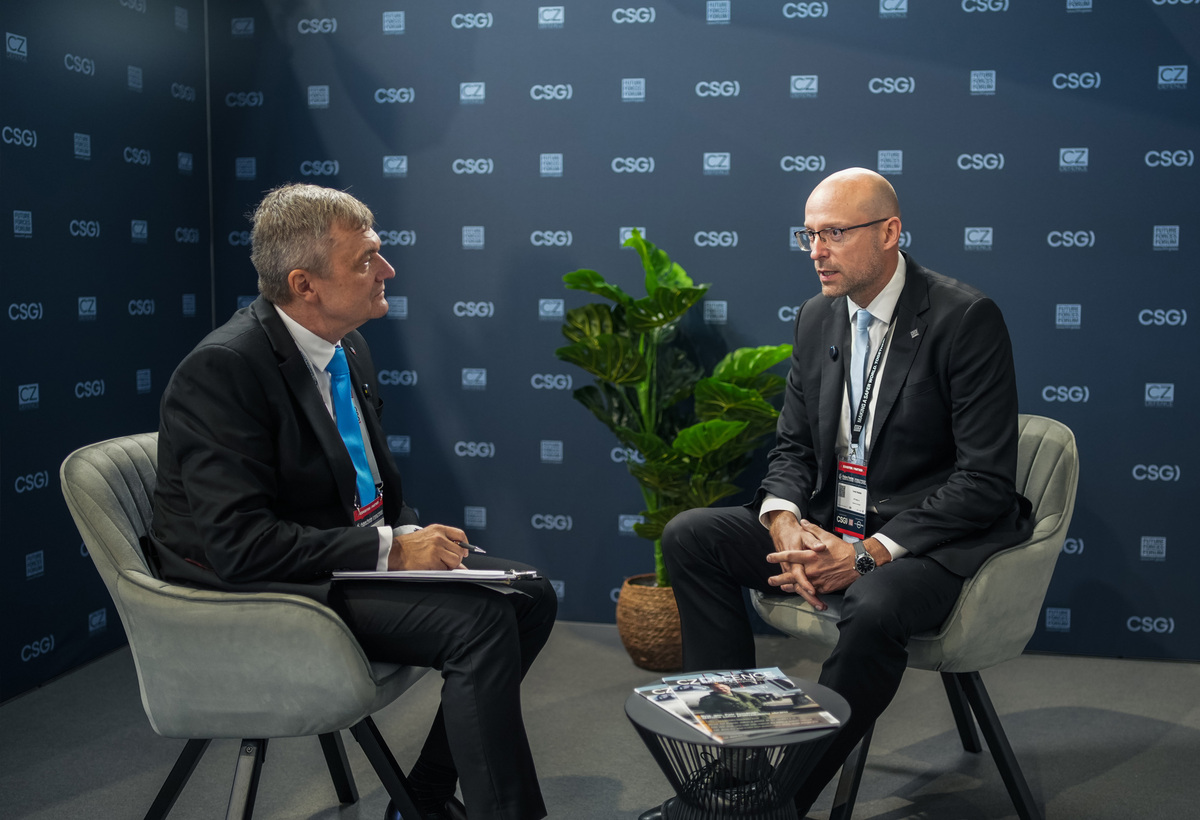
We spoke with Vladimír Sokolovský, Sales Director at Tatra Export, about the importance of Czech automotive platforms and their use abroad. Adam Liška, CEO of Excalibur Army, discussed the capabilities of the Czech defense industry in the field of ground military equipment.
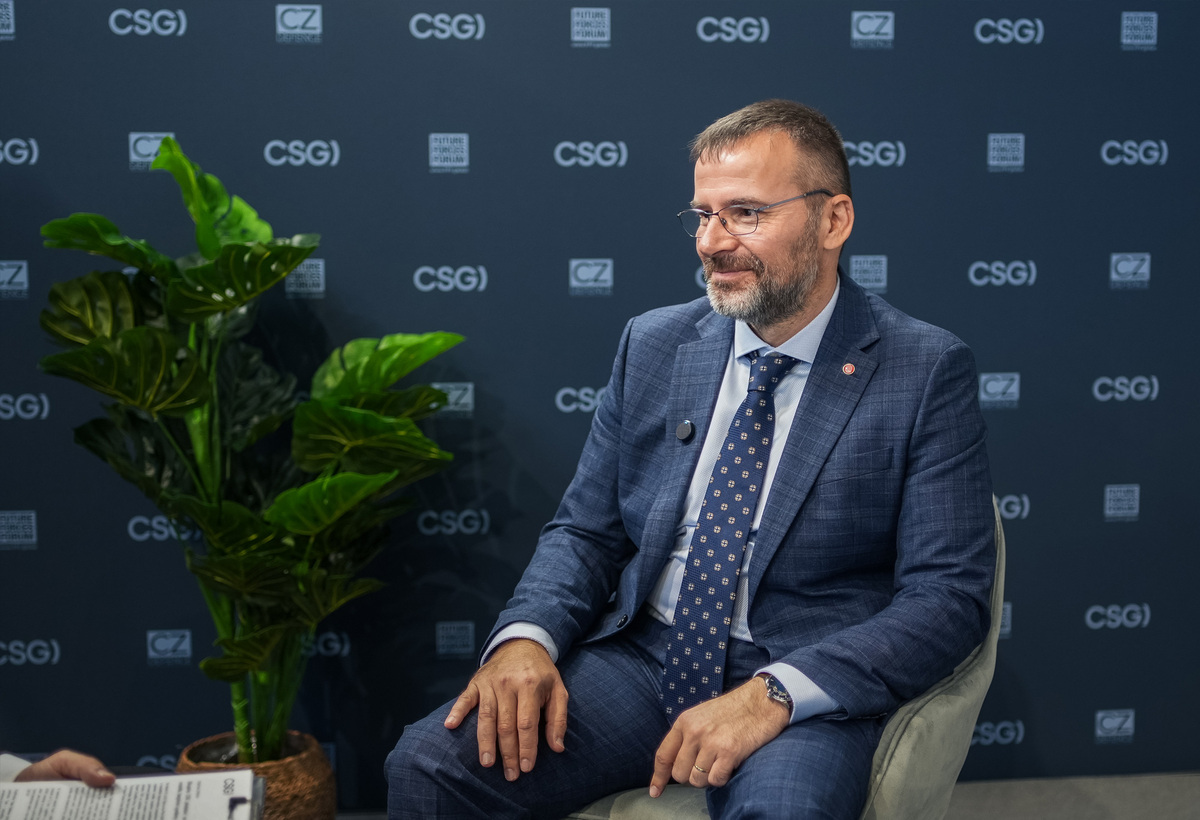
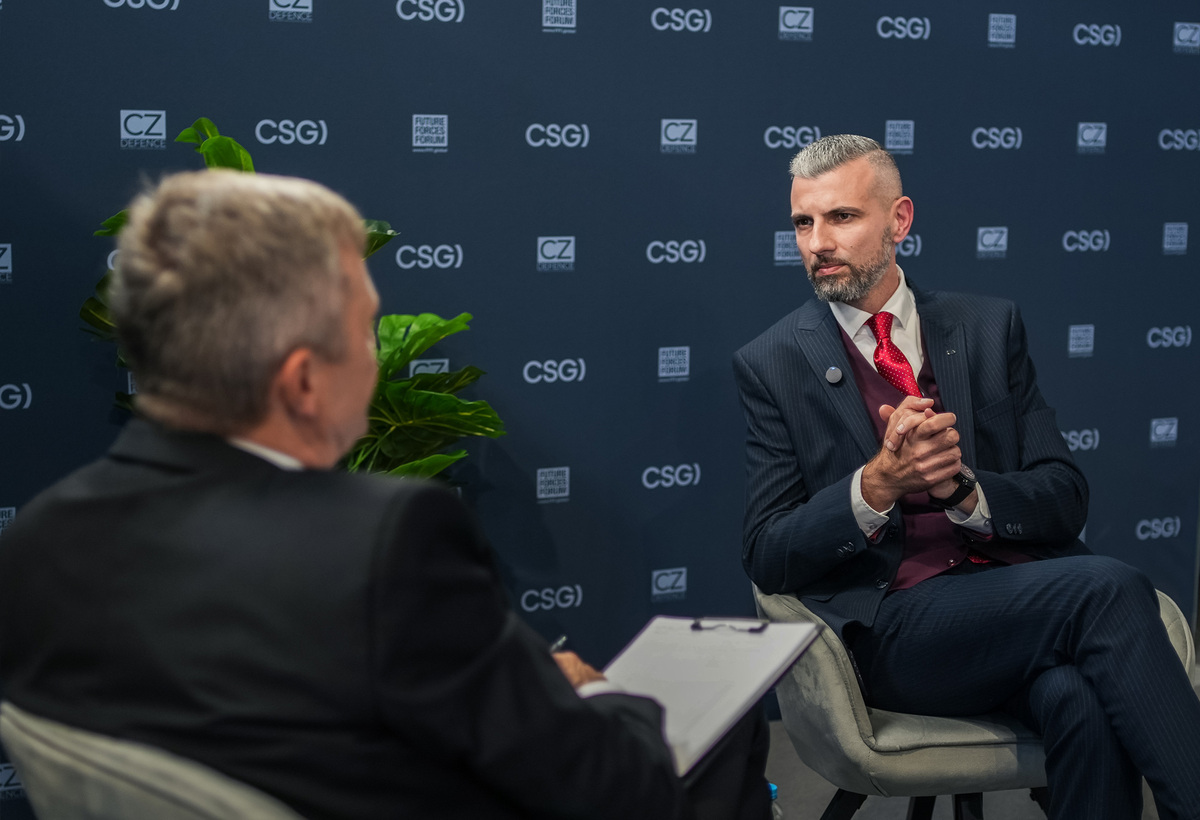
Jiří Protiva, director of the state-owned enterprise LOM PRAHA, and Vlastimil Navrátil, director of VOP CZ, also accepted the invitation.
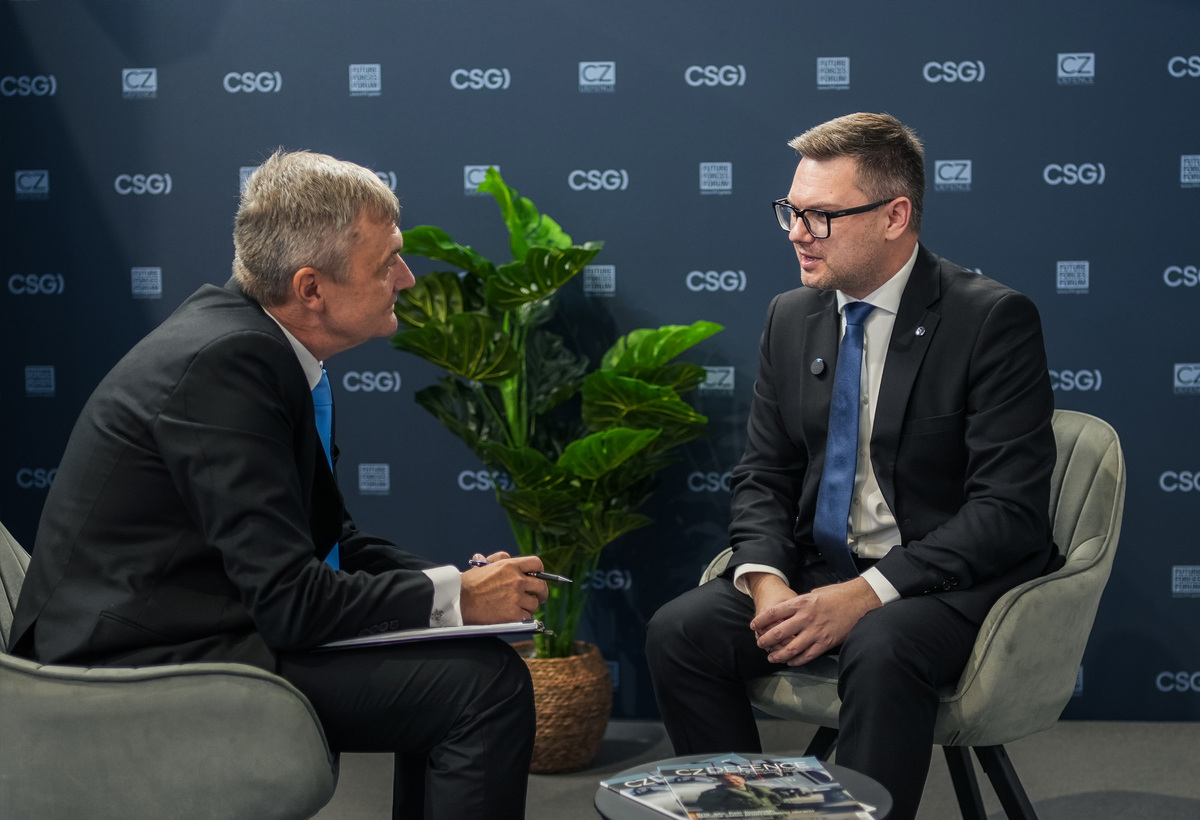
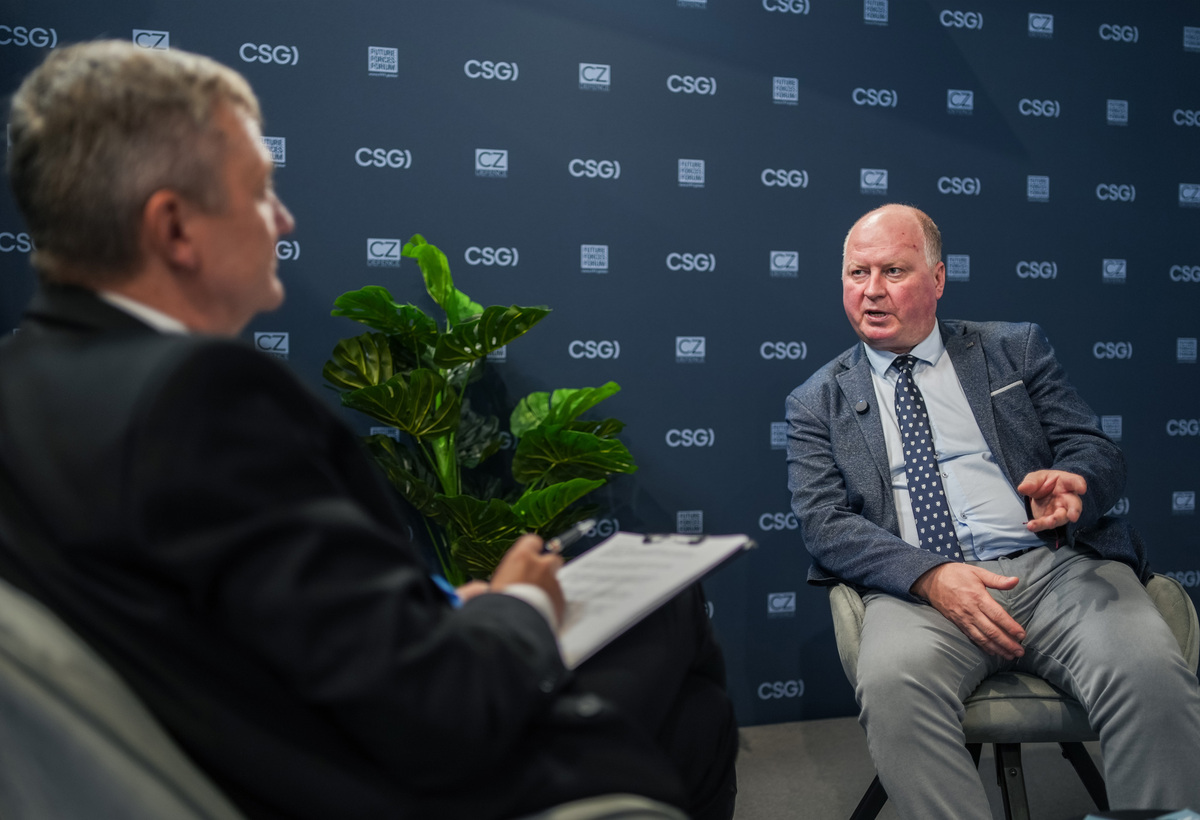
In our interviews, we discussed the role of state-owned enterprises in the modernization of the armed forces, cooperation with foreign partners, and the involvement of Czech companies in strategic military projects. We spoke with Jan Mikulecký, CEO of RETIA, about the development of radar systems and the importance of modern sensor technologies.
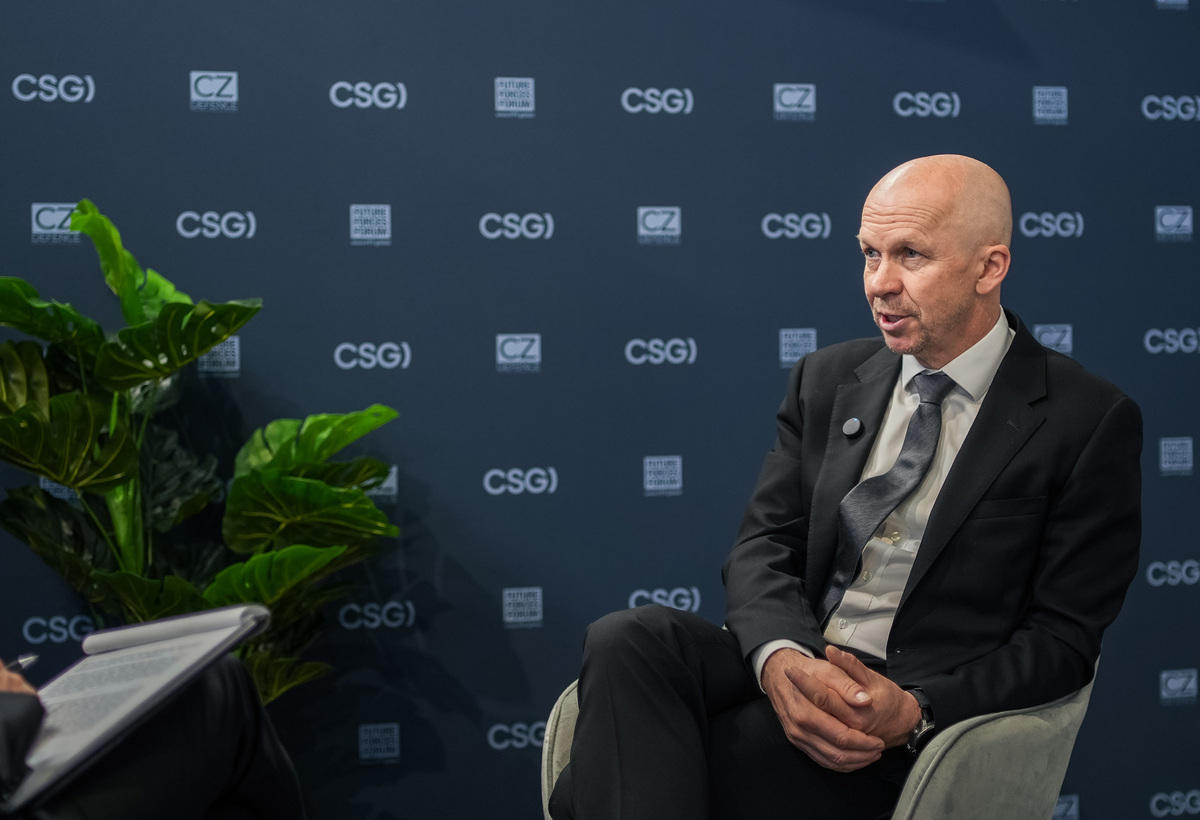
Defense innovation and funding options were also key topics. Leoš Mauer, director of the Defence Hub CzechInvest and the Czech branch of the NATO DIANA accelerator, outlined opportunities for Czech technology companies within the Alliance’s innovation ecosystem.
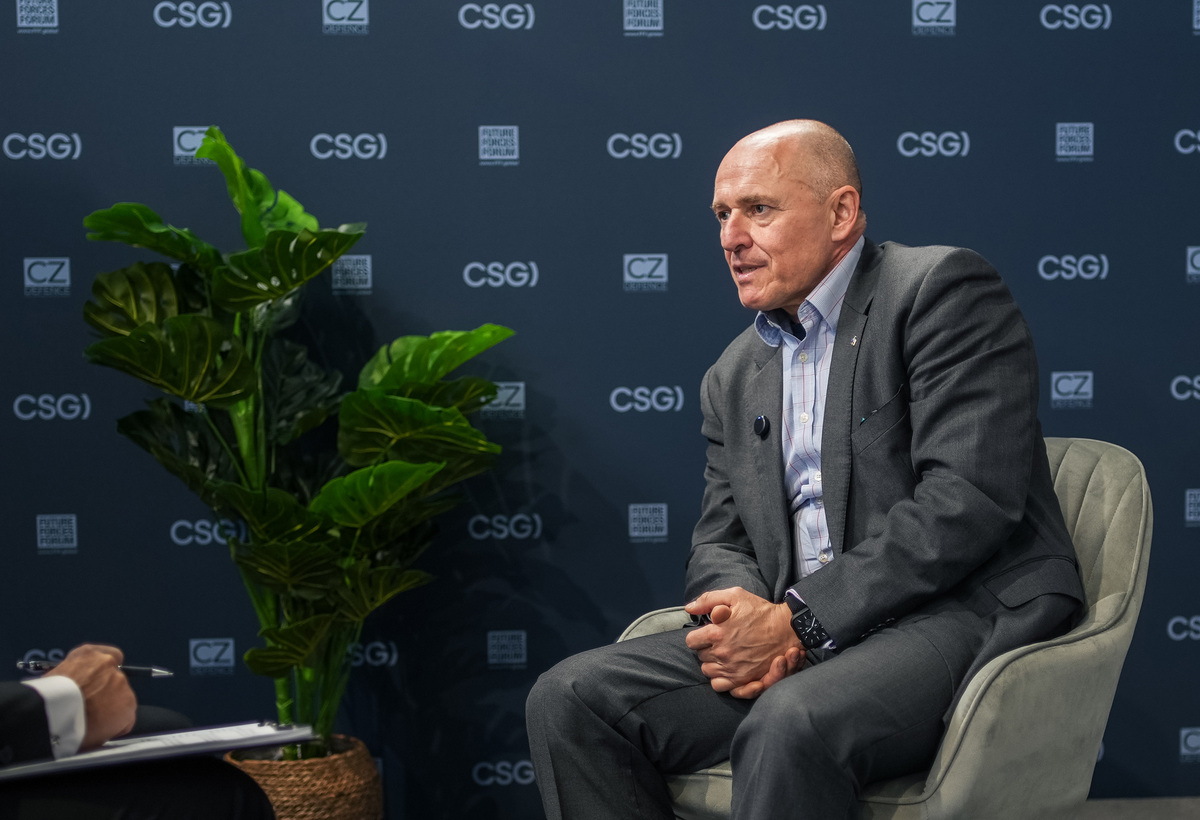
General František Mičánek, who serves as a senior defense advisor at the consulting firm EY, offered insights into the links between the defense sector and the commercial sector, as well as new opportunities for industrial cooperation. Representatives from the academic and public sectors were also present in the studio.
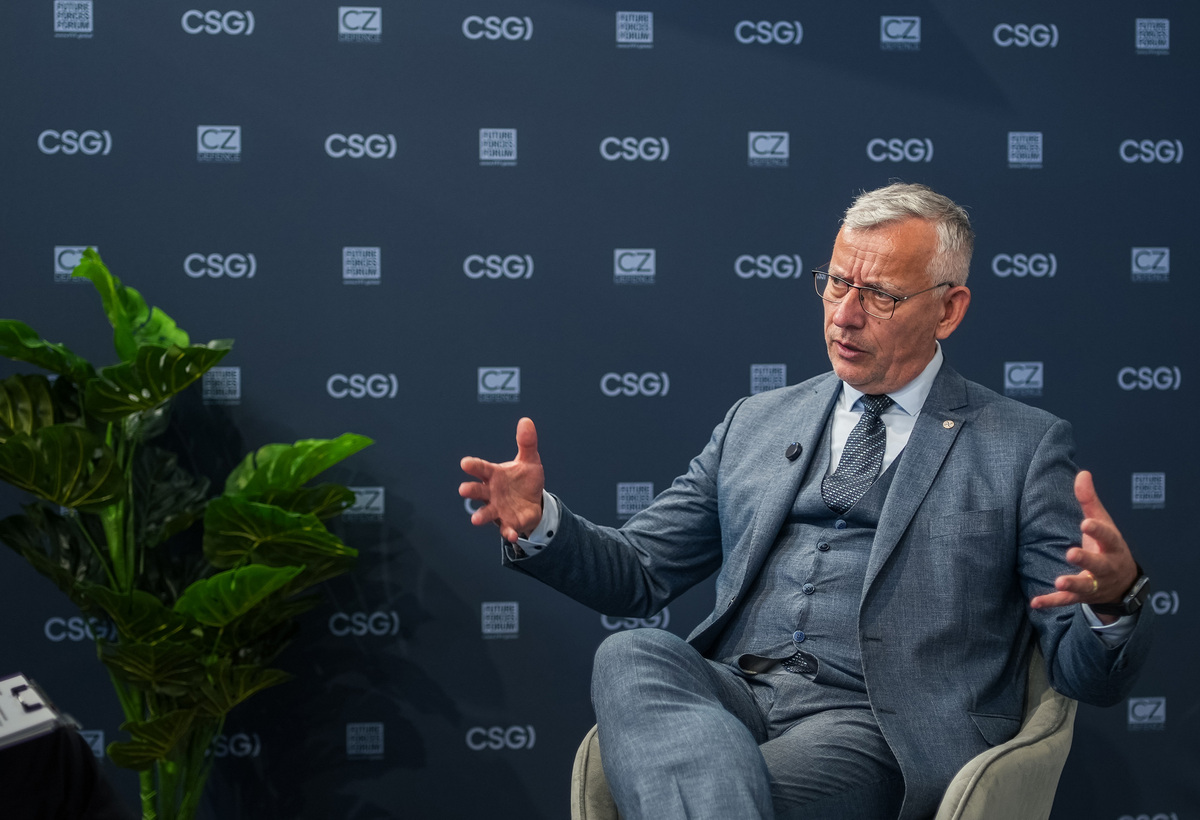
We spoke with Zdeněk Rod, director of CEBES at CEVRO University, about current security challenges and how they are reflected in the technologies presented.
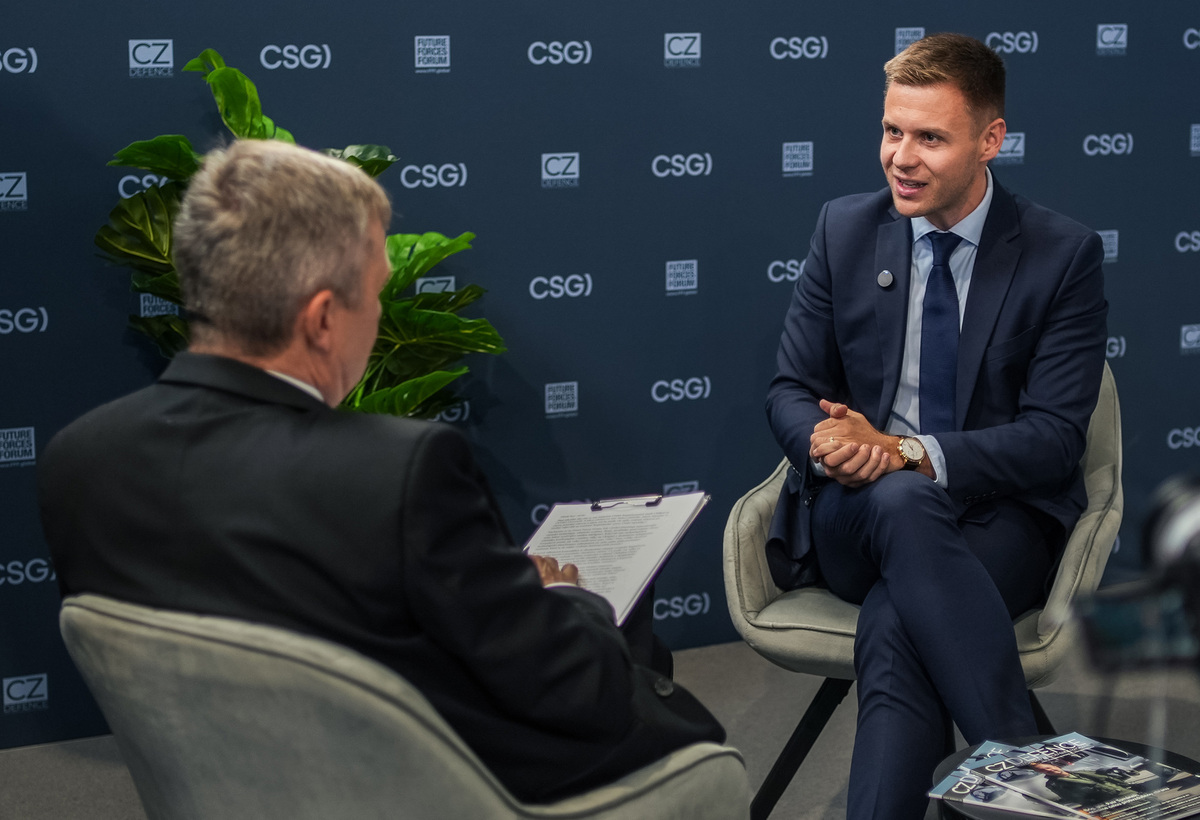
Luděk Šantora, Director of the Information Technology Department of the City of Pilsen, then shared his experience with the development of modern technologies and their application in the field of security.
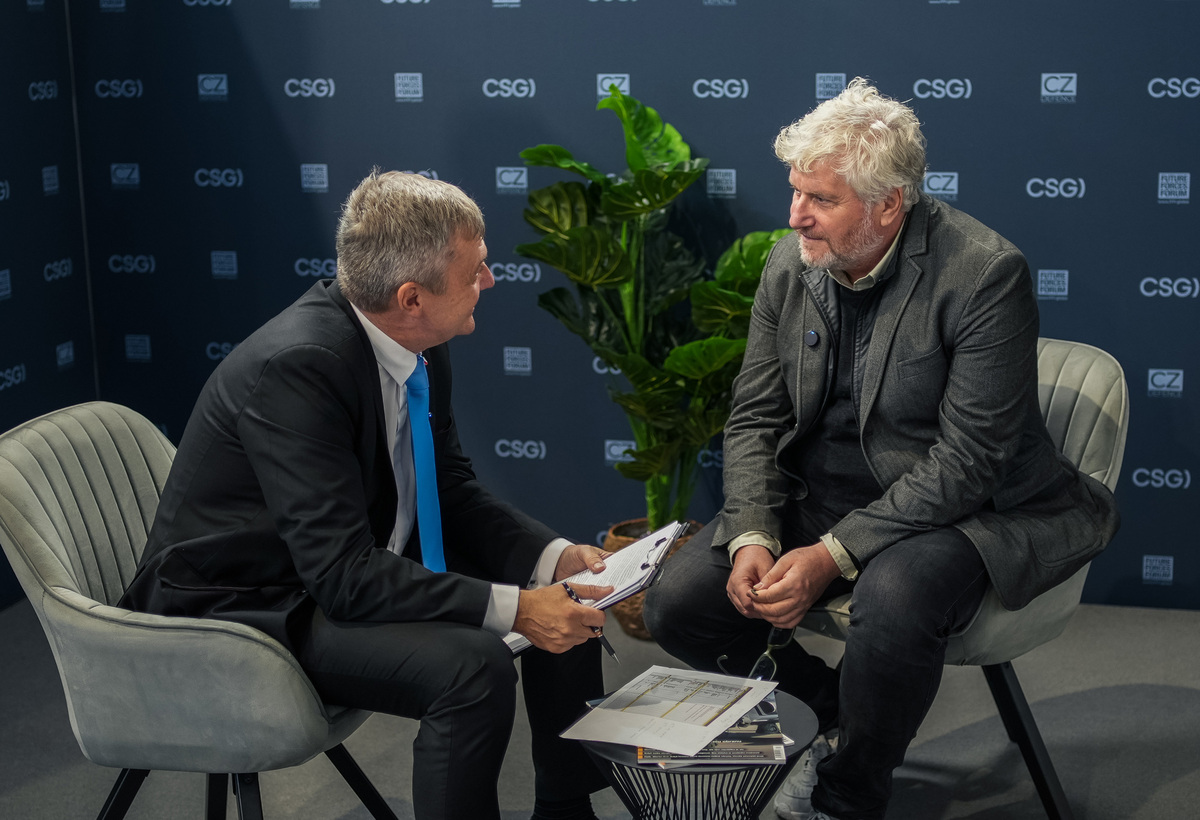
The first day of Future Forces thus demonstrated that the future of defense is not just a matter of new weapons systems, but also of technological innovation, industrial cooperation, strategic planning, and the ability to quickly put new technologies into practice. We now present the highlights of our Wednesday interviews in the following compilation. And starting tomorrow, you can look forward to another series of interesting interviews and events.