








Day Two of Future Forces 2026: Ministers, the Defense Industry, and Quantum Technologies at the CZ DEFENCE Studio
The Future Forces 2026 international trade fair in Letňany, Prague, continued into its second day, focusing on modern defense technologies, industrial cooperation, and expert discussions on the future of Czech and European defense. The CZ DEFENCE studio welcomed Deputy Prime Minister and Minister of Industry and Trade Karel Havlíček, Minister of Defense Jaromír Zůna, Vice President of the Czech Defense and Security Industry Association Kristýna Helm, and a number of representatives from Czech and international exhibitors. The conclusion of Thursday’s broadcast featured an exclusive interview with academic experts from the Czech Technical University (ČVUT) and the University of Defense on quantum computers and their potential applications in the military.
Video: Day Two of Future Forces 2026: Ministers, the Defense Industry, and Quantum Technologies in the CZ DEFENCE Studio / CZ DEFENCE
The second day also featured specialized conferences on national resilience, civil security, command and control, modeling and simulation of autonomous systems, and protection against chemical, biological, radiological, and nuclear threats. Meetings between representatives of NATO working groups and industry partners also played a significant role. The trade show thus reaffirmed that its value lies not only in showcasing state-of-the-art technology, but also in connecting those who develop, manufacture, and subsequently apply new technologies in practice.
One of the most prominent guests on Thursday’s CZ DEFENCE program was First Deputy Prime Minister and Minister of Industry and Trade Karel Havlíček. The interview focused on the state of the Czech defense industry, opportunities for its further development, and the role of the Ministry of Industry and Trade in supporting domestic manufacturers. Another key topic was the new division of responsibilities between the Ministries of Industry and Defense and the question of how to more effectively align the needs of the Czech Armed Forces with the capabilities of Czech companies. Defense investments represent an opportunity not only for traditional defense contractors but also for a wide range of civilian manufacturers, technology firms, and research institutions.

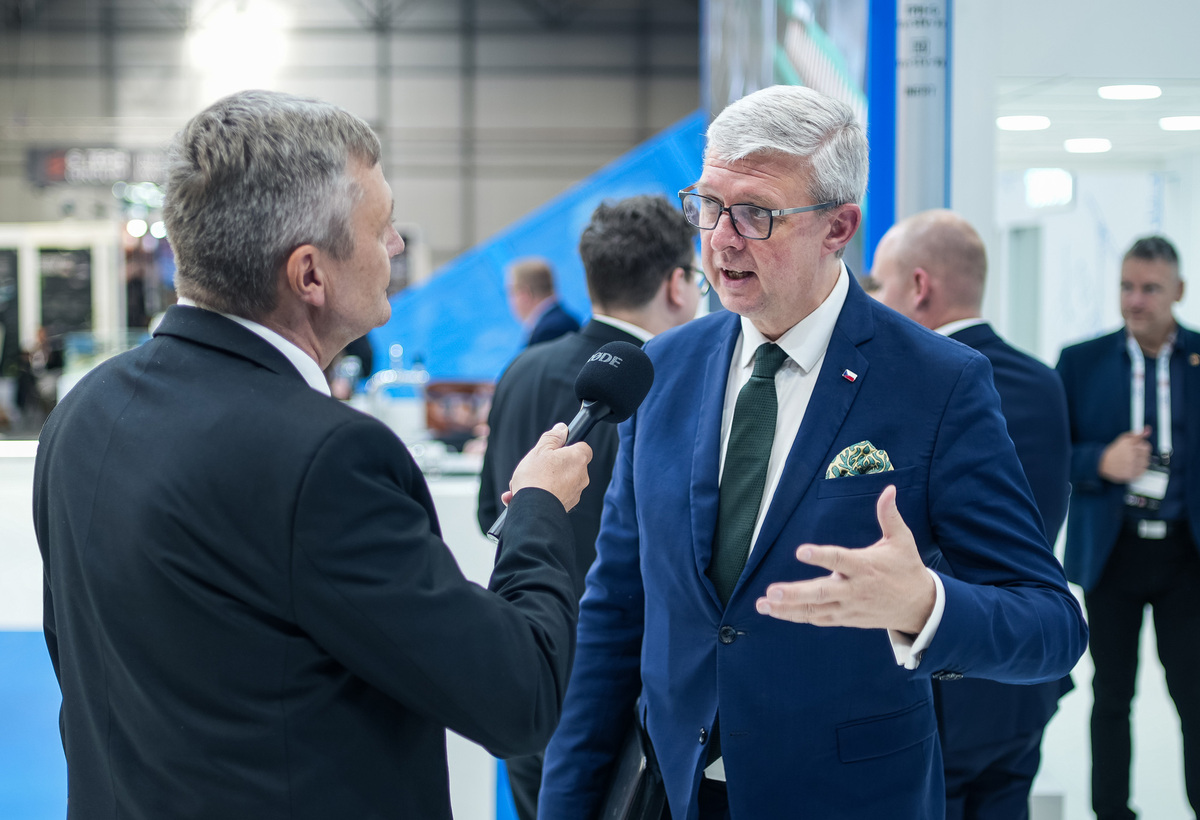
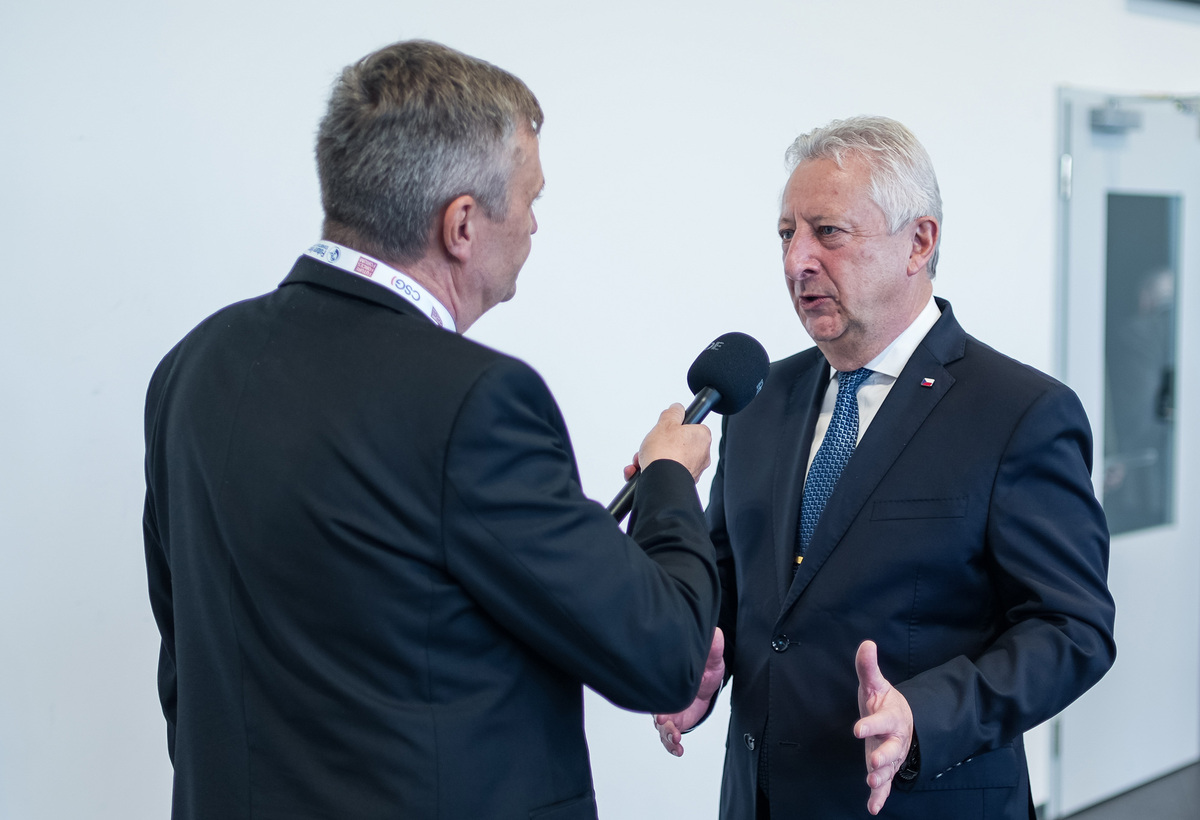
The discussion with Defense Minister Jaromír Zůna addressed the economic and industrial aspects of defense. In his case, the focus was on the modernization priorities of the Czech Army, the need for faster implementation of innovations, and cooperation with the domestic and foreign defense industries.
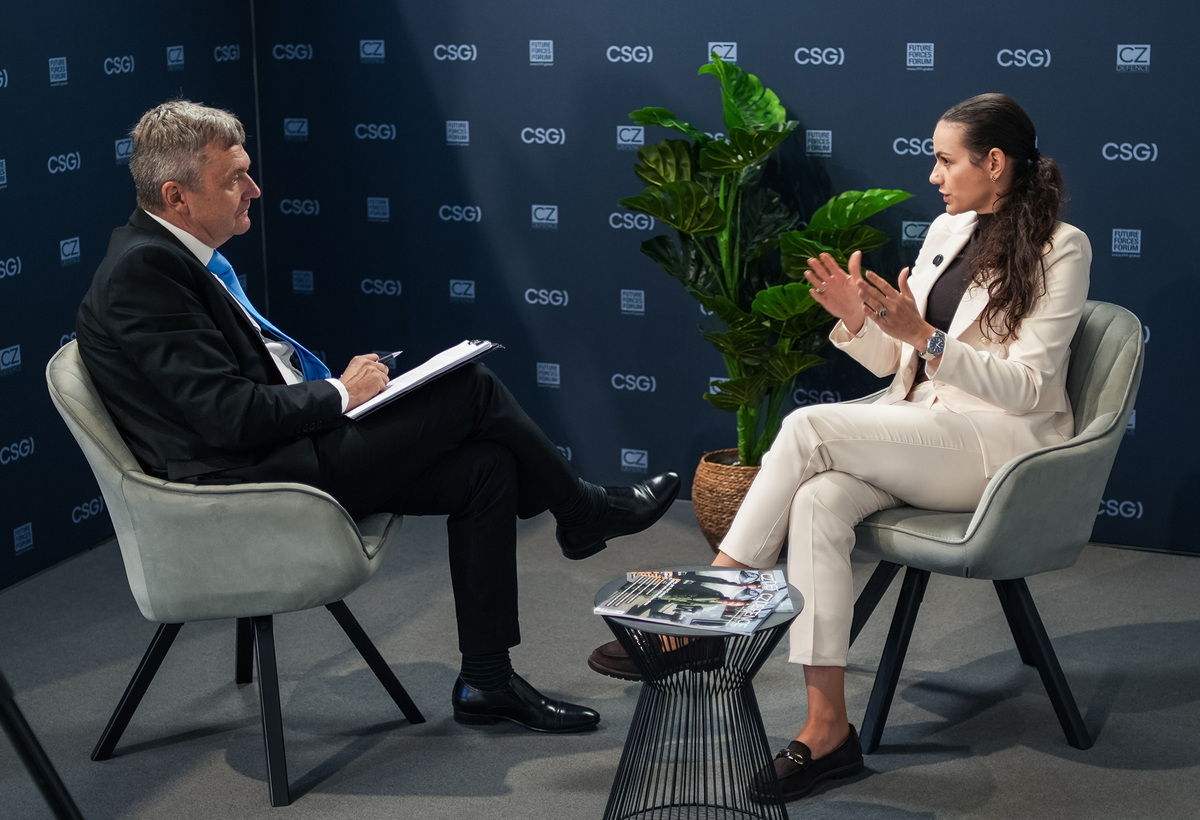
Another interview with Kristýna Helm, vice president of the Czech Defense and Security Industry Association, focused on the current challenges facing Czech manufacturers, their position in foreign markets, and opportunities for other industrial companies to join defense supply chains.
Another important topic was the need for systematic cooperation between the government, the military, and industry. In an interview with Pavel Švagr, chairman of the State Material Reserves Administration, the issues of strategic reserves and the government’s preparedness for crisis situations were discussed.
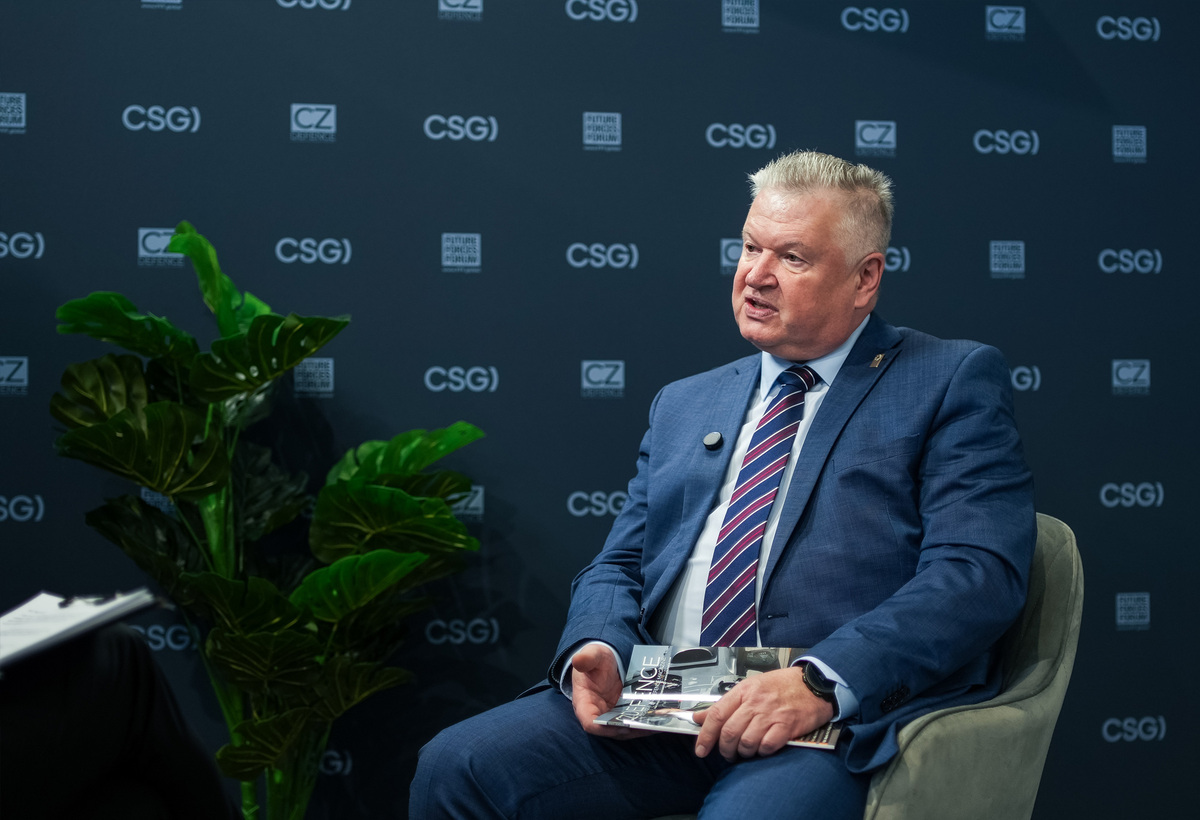
In addition to interviews with representatives of government agencies and industry associations, the CZ DEFENCE studio also gave airtime to the exhibitors themselves. Their presentations offered a cross-section of the technologies that are shaping the modern battlefield today. Ondřej Tomášek of MSM GROUP presented the group’s current direction in the production of large-caliber ammunition and other components.
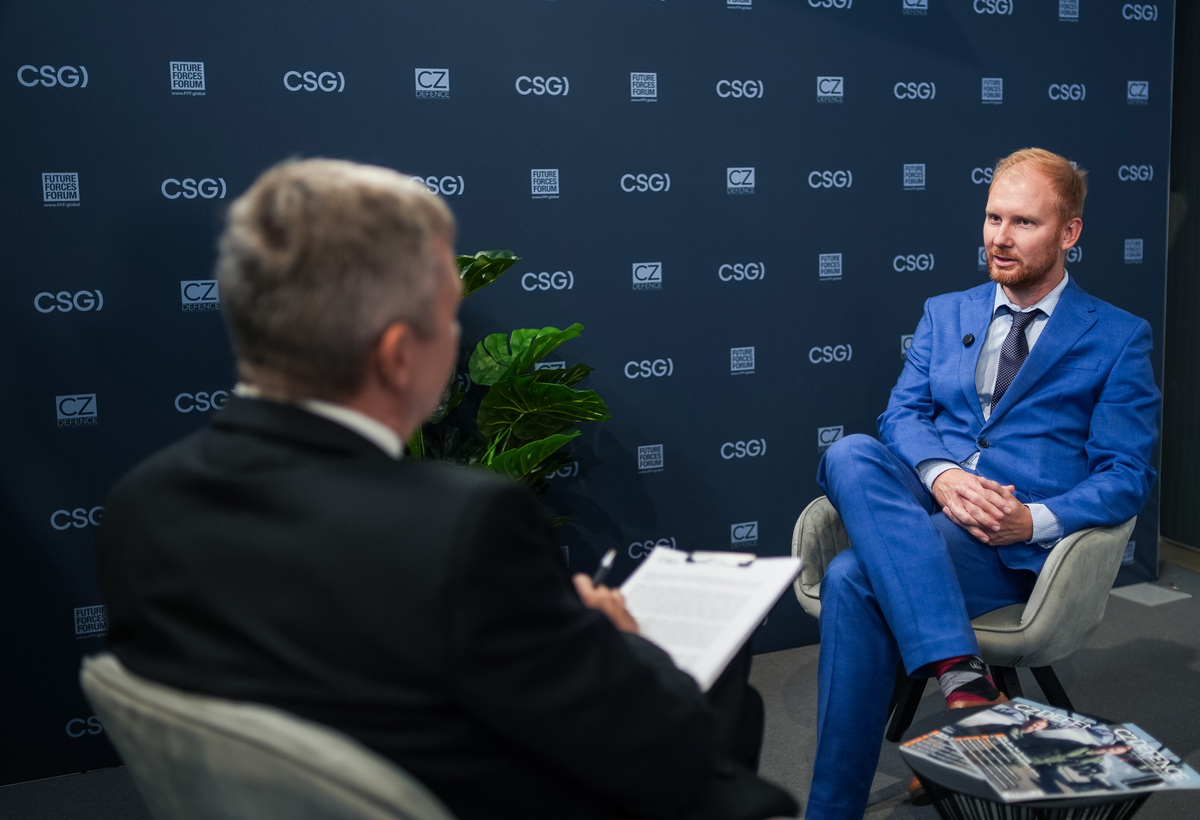
A major topic was unmanned and autonomous systems, including their development, production, and practical deployment. Speakers on these topics included, for example, Libor Novák from Czechia Systems, Petr Boháček from TRL GROUP, Milan Rollo from AgentFly, and Jaroslav Řešátko from TELINK.
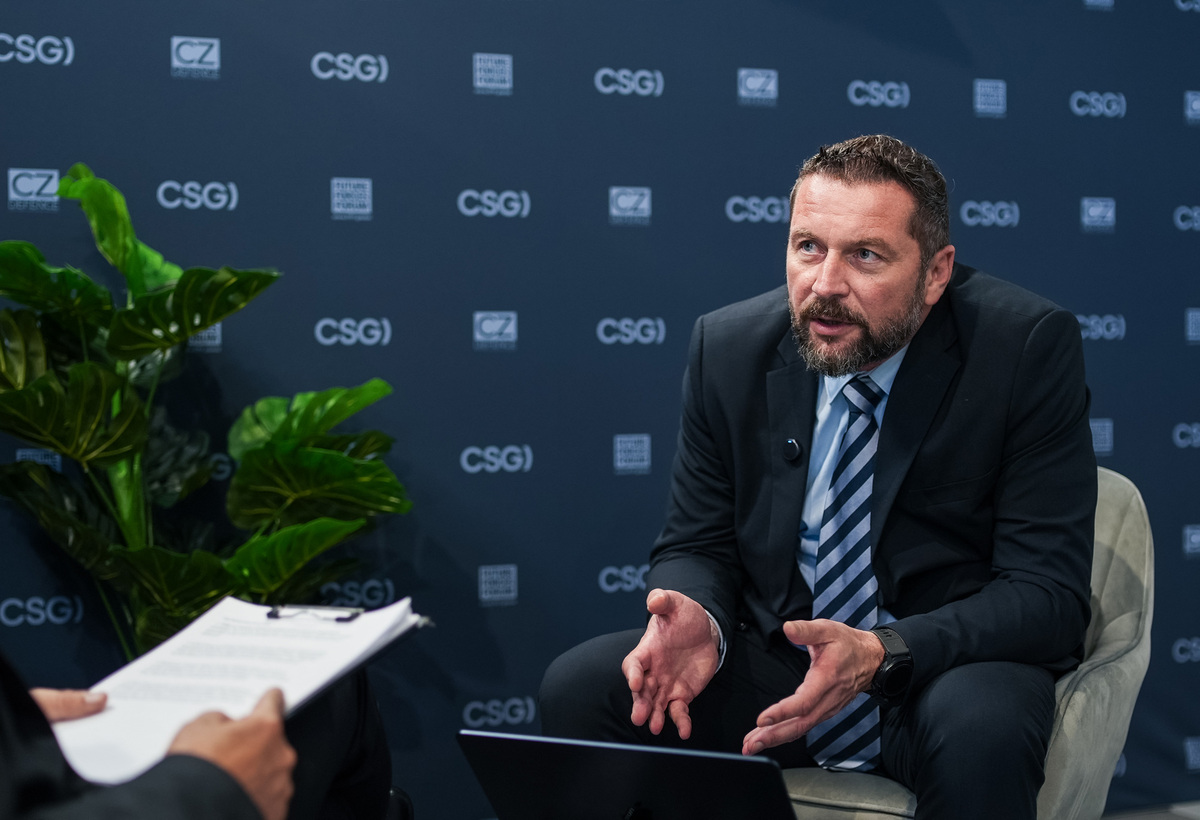
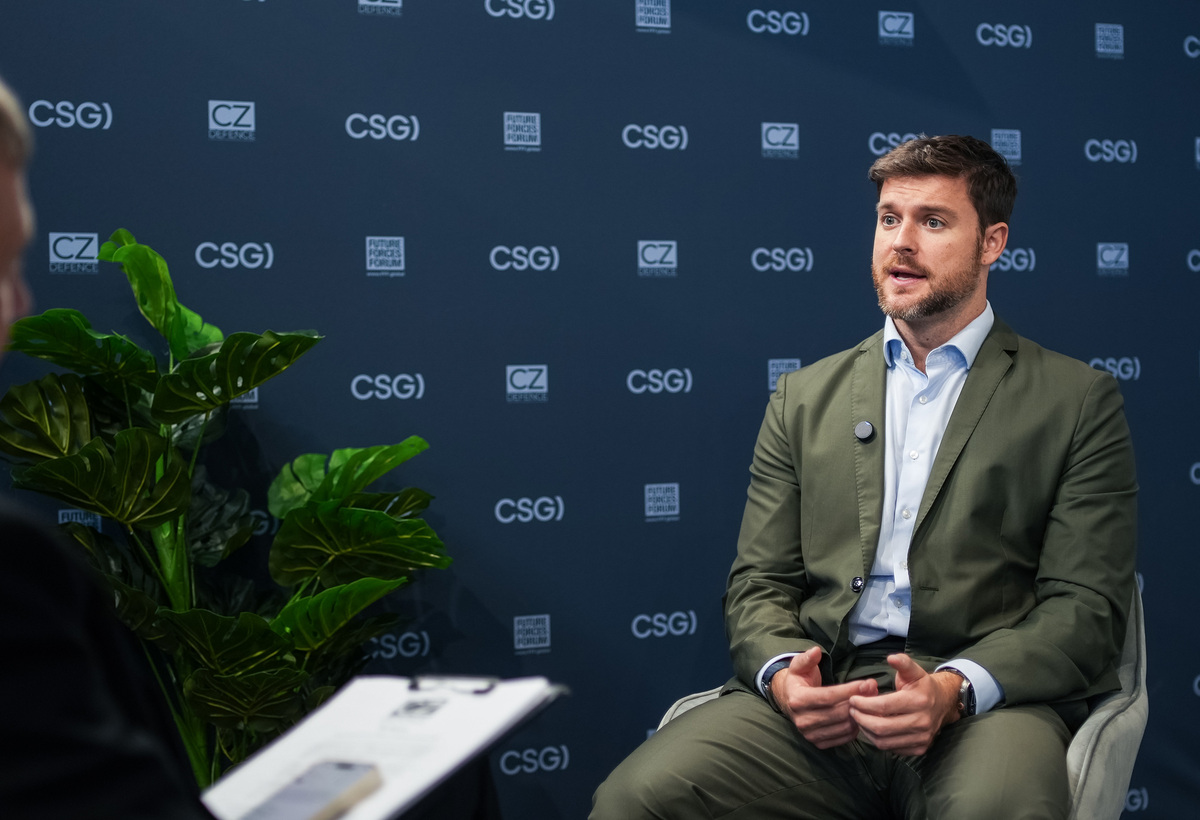
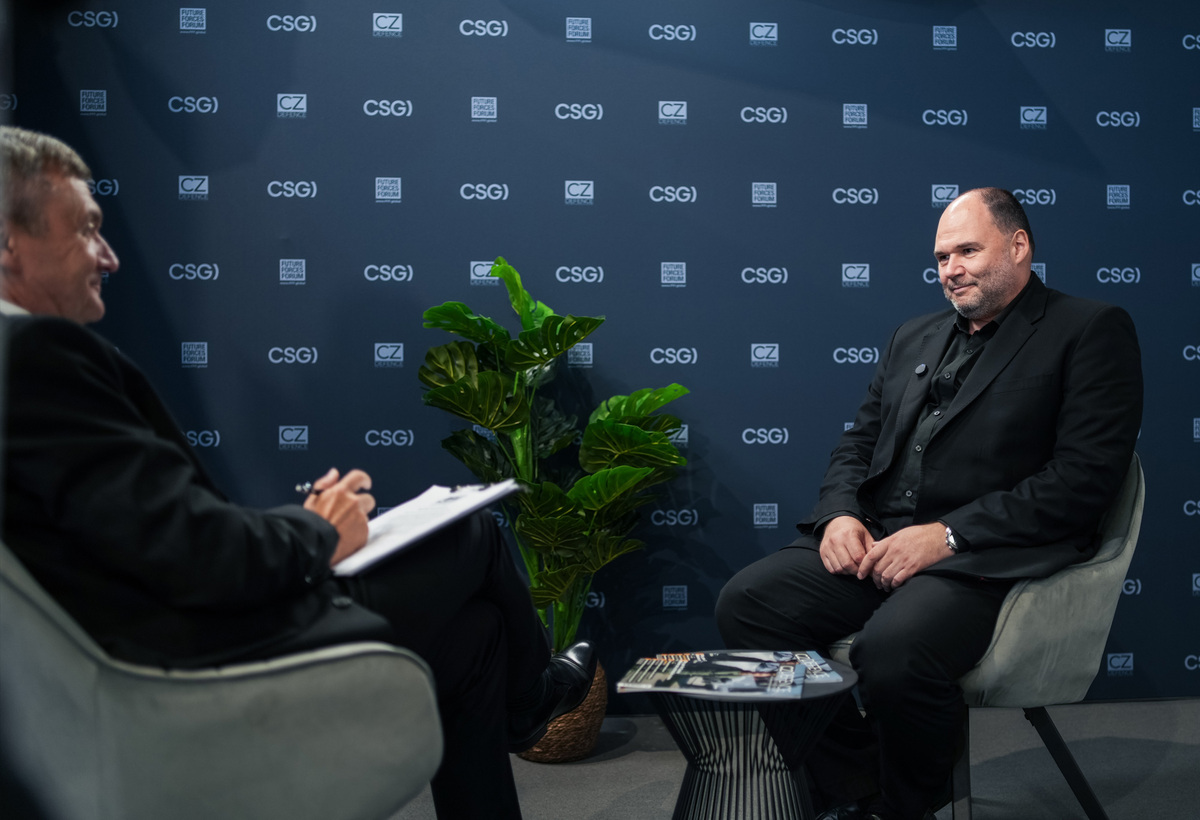
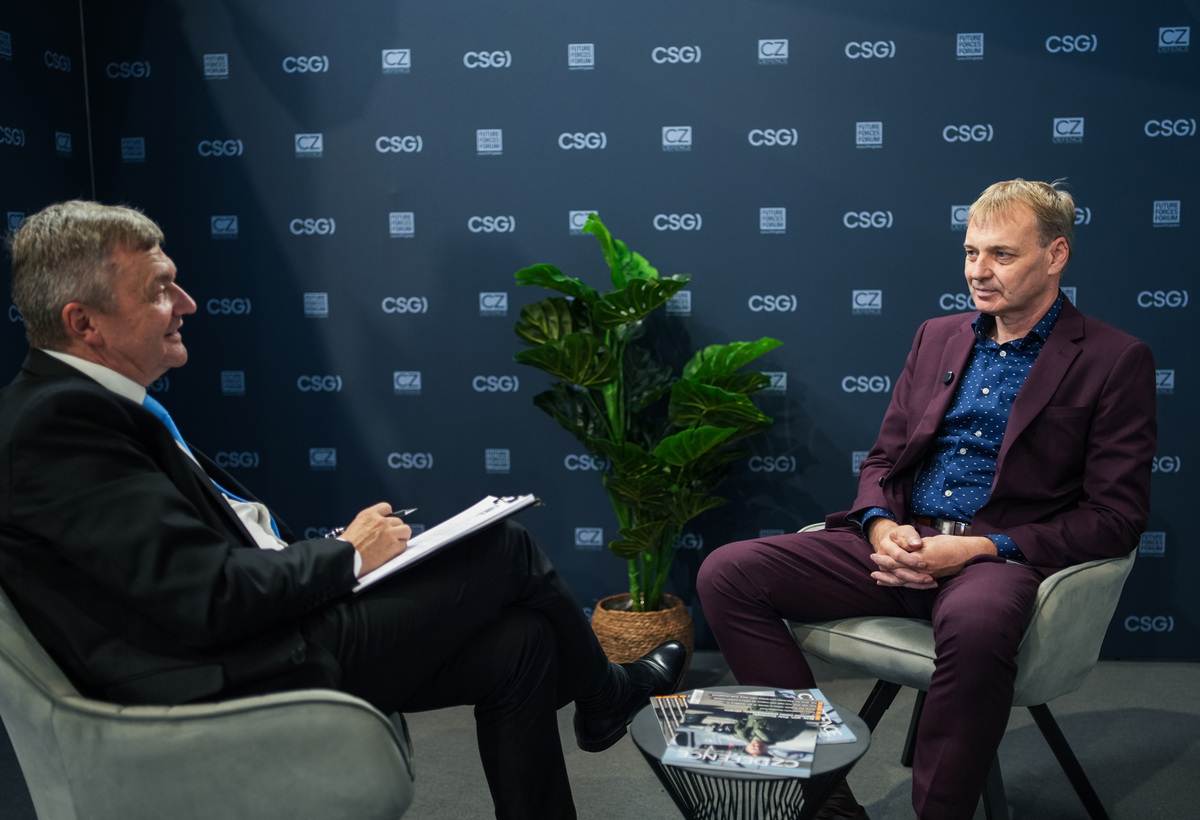
Nathan Cowell of UNWAVE provided an international perspective on the development of modern technologies.
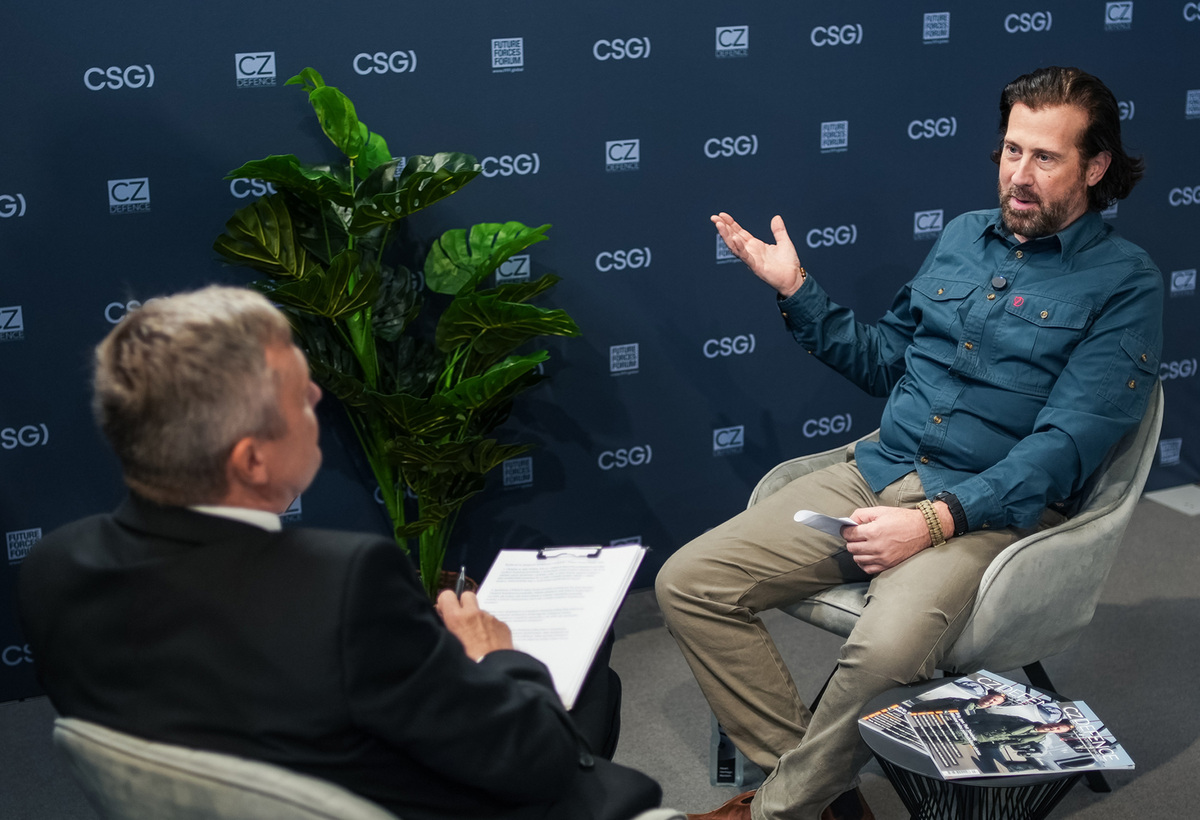
Attention was also focused on technical components, propulsion systems, and industrial technologies. Speakers in the studio included Stanislav Lisner from PBS GROUP, Martin Plášek from siliXcon, Vít Čech from PEI-Genesis, and Petr Klika from Akkodis.
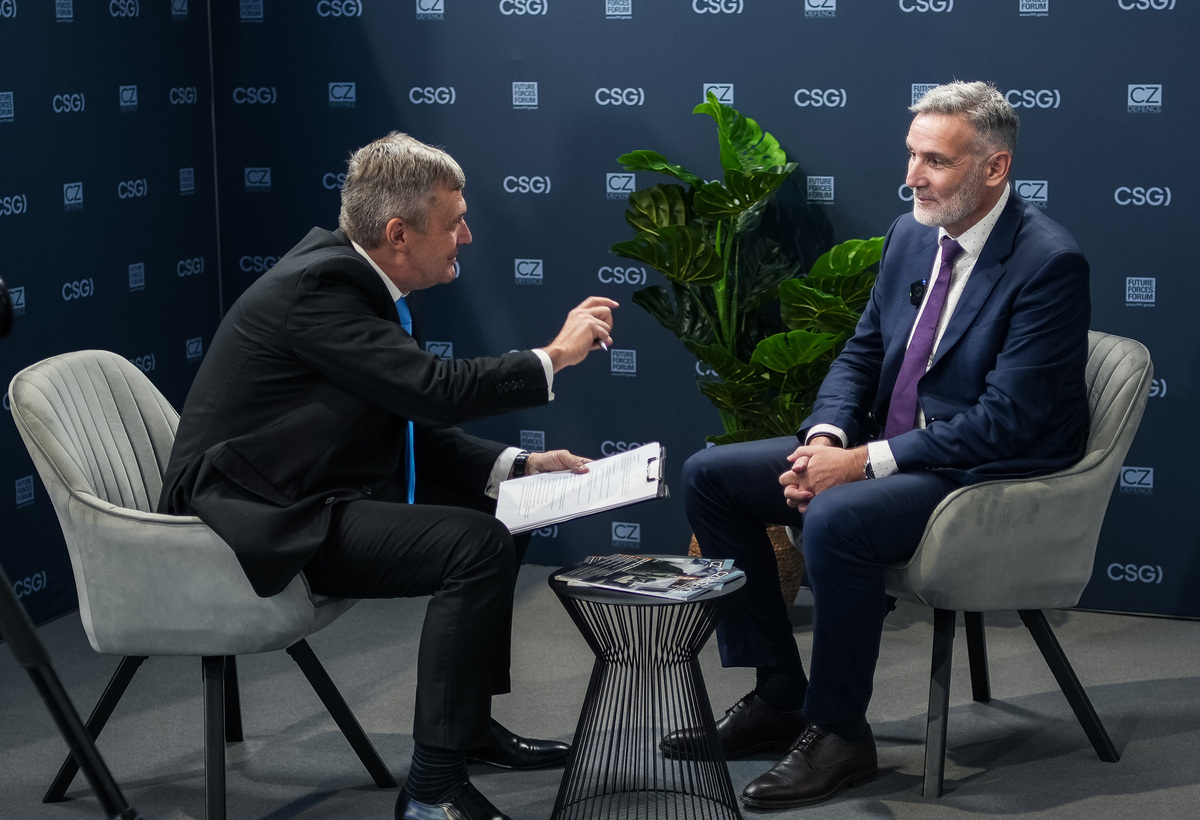
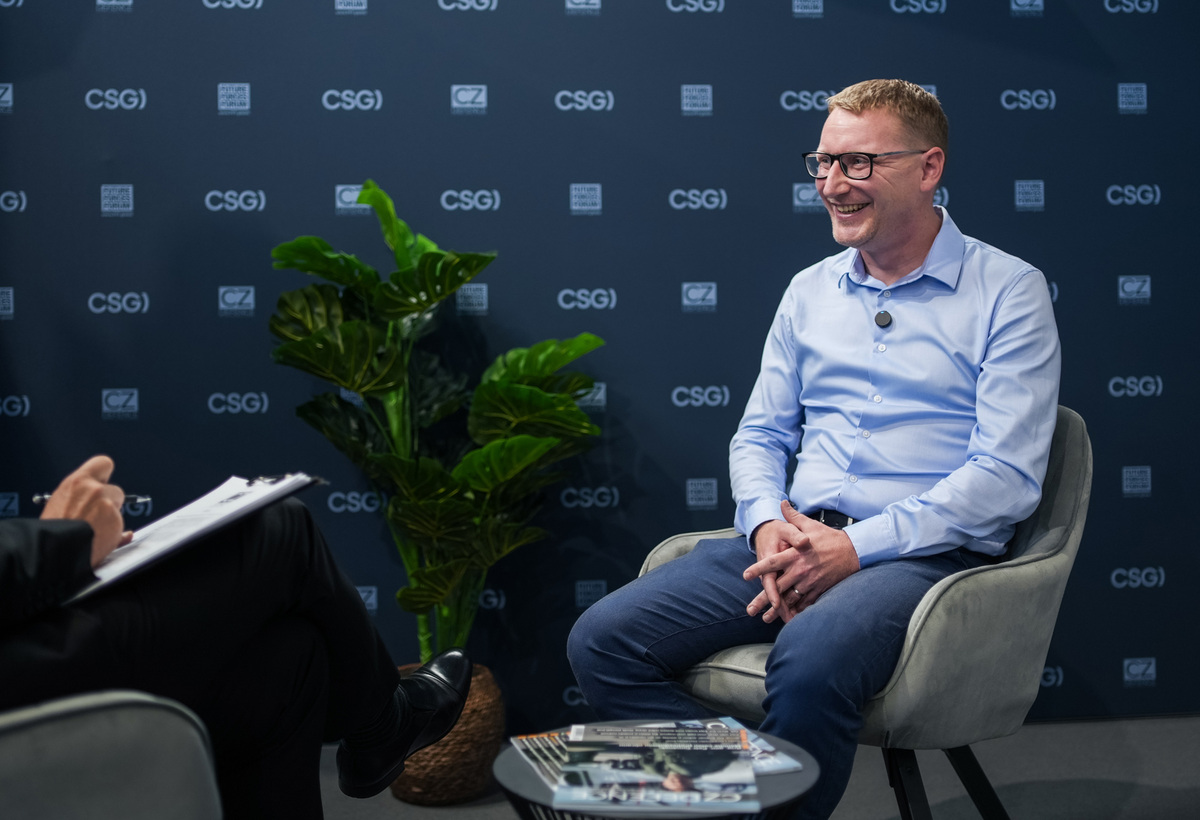
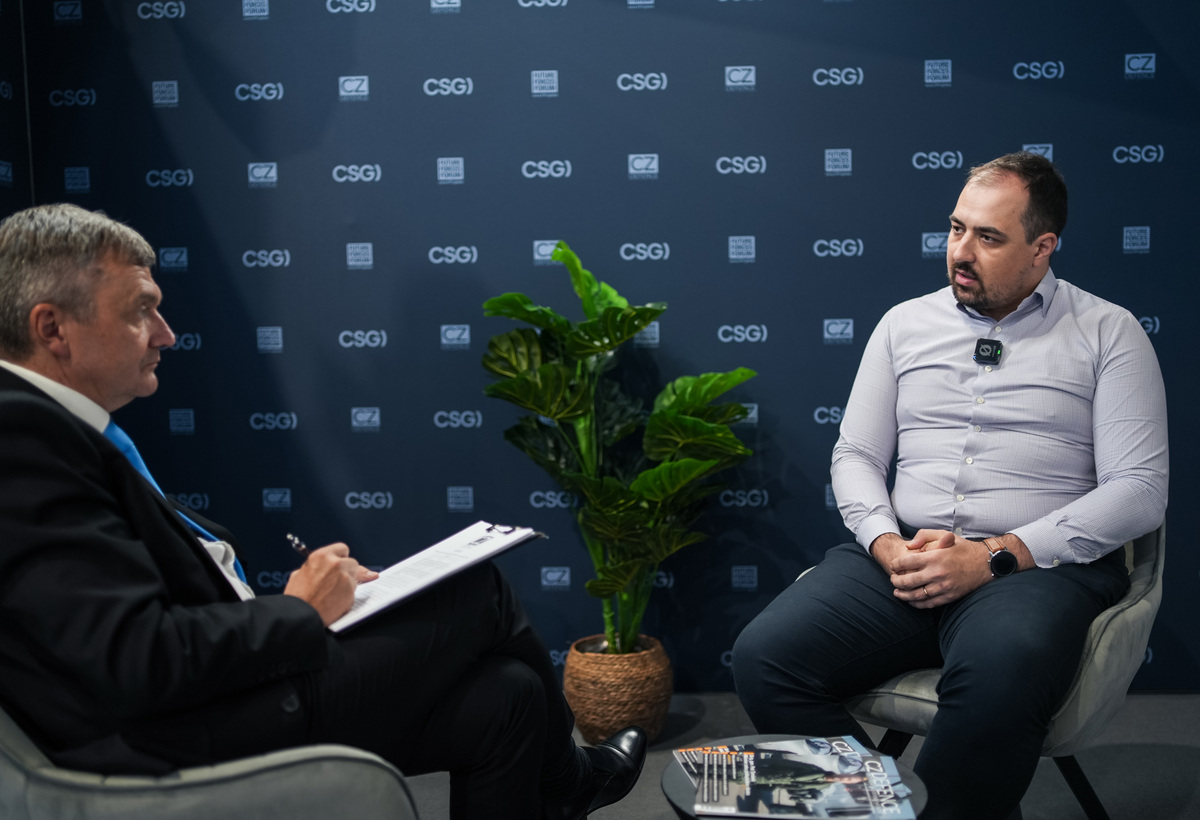
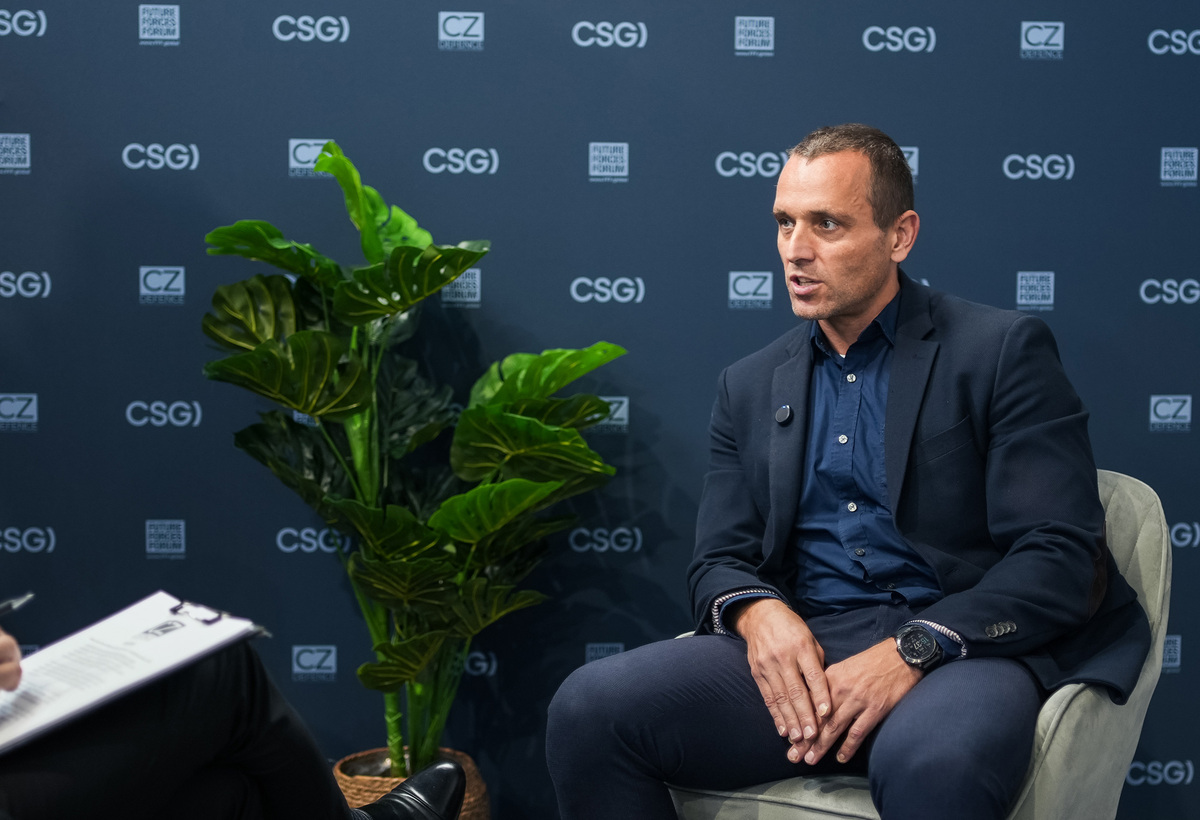
Pavel Růžička of LATANIR and Michal Vitha of COPTRZ CZ were also given the opportunity to speak. The interviews highlighted the breadth of the industrial infrastructure, without which it would not be possible to develop and manufacture complex defense systems.
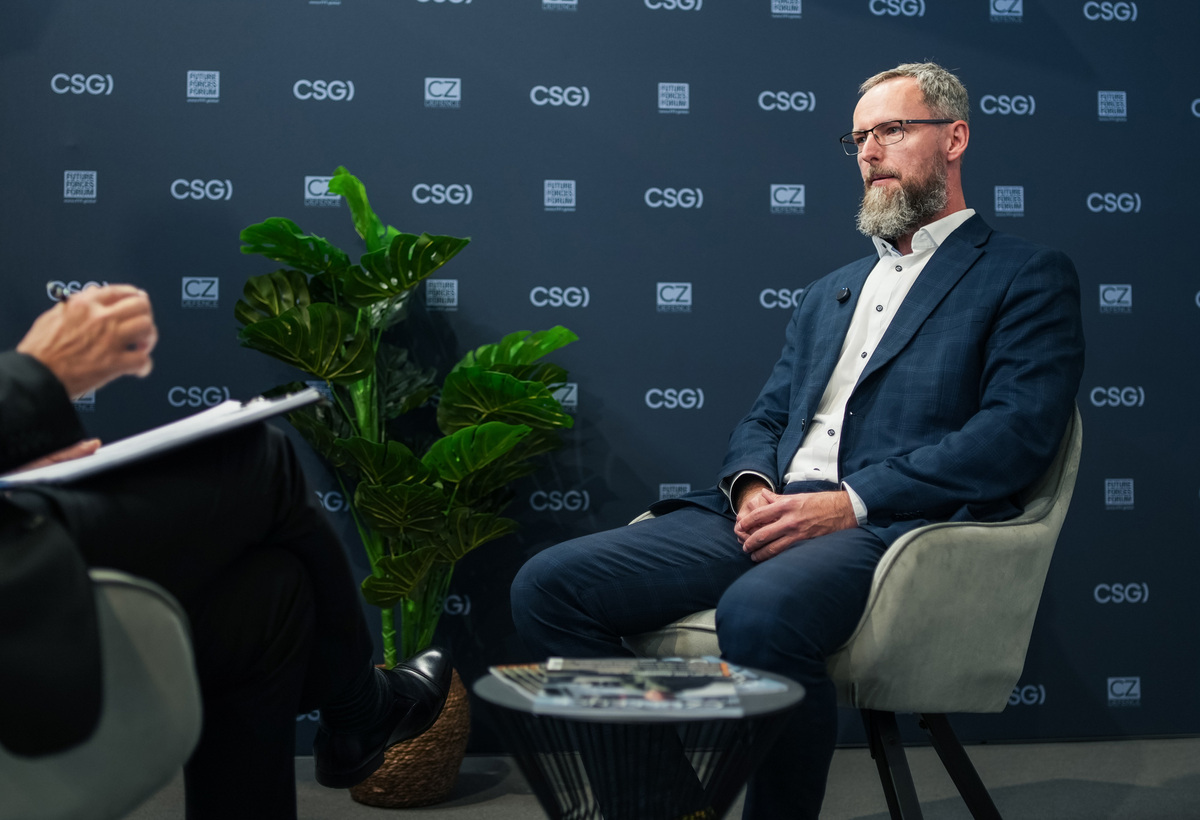
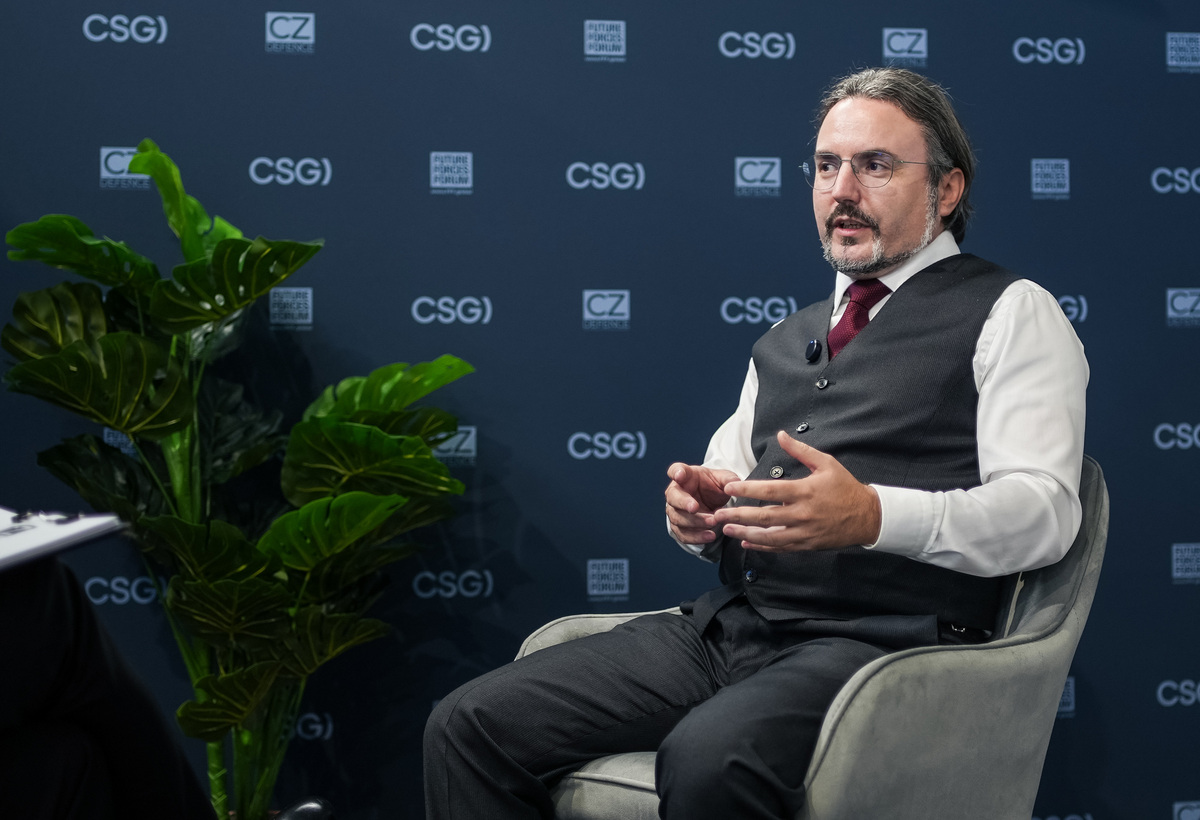
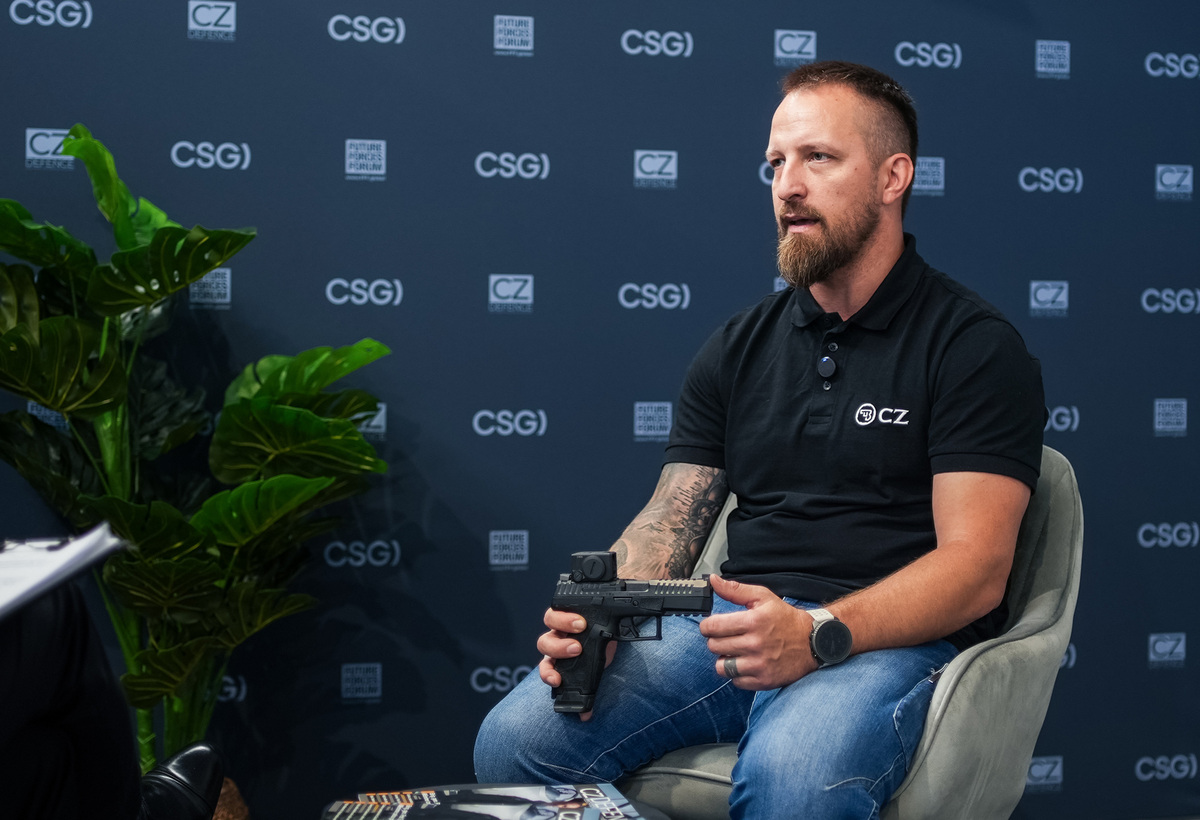
There was even an unusual encounter. Tomáš Bouša from Česká zbrojovka Uherský Brod presented the new CZ DUTY pistol on camera.
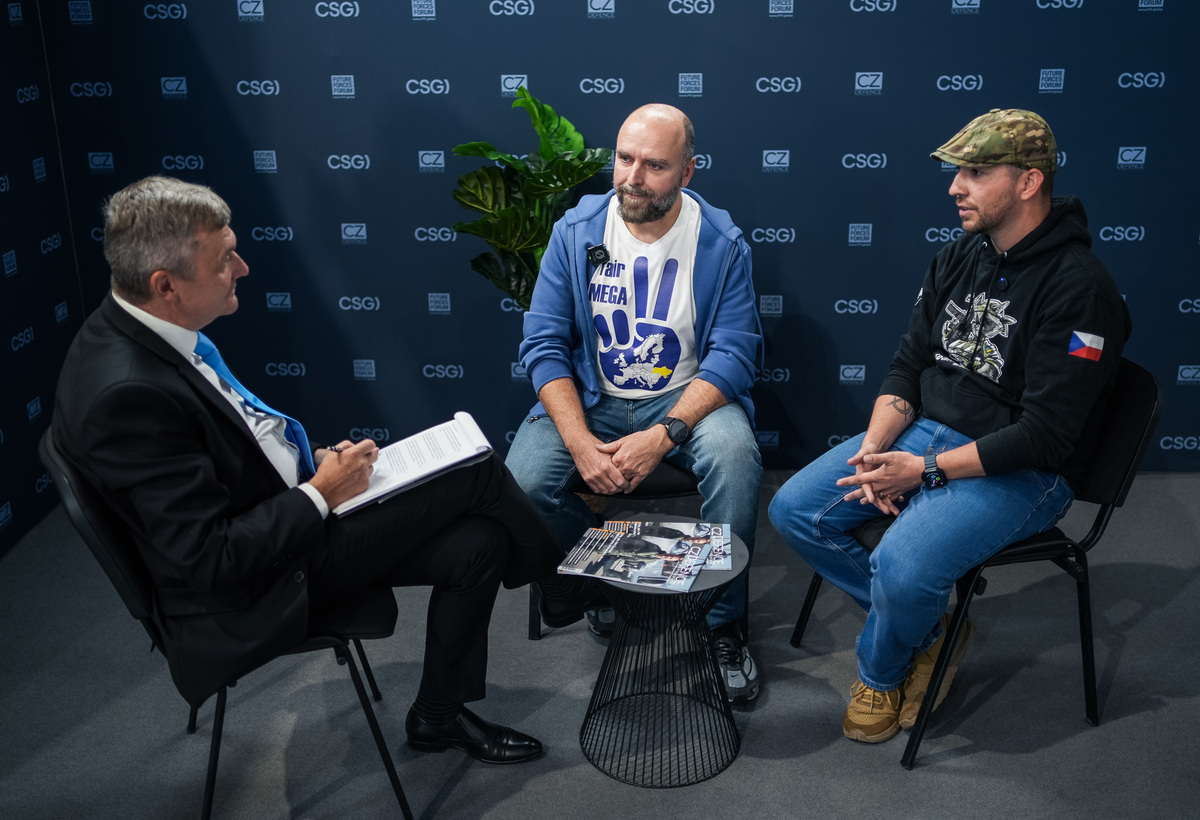
Other guests in the studio included Jan Sully Heřmánek and Josef Starý from the organization Team for Ukraine, who presented their current projects to aid Ukraine.
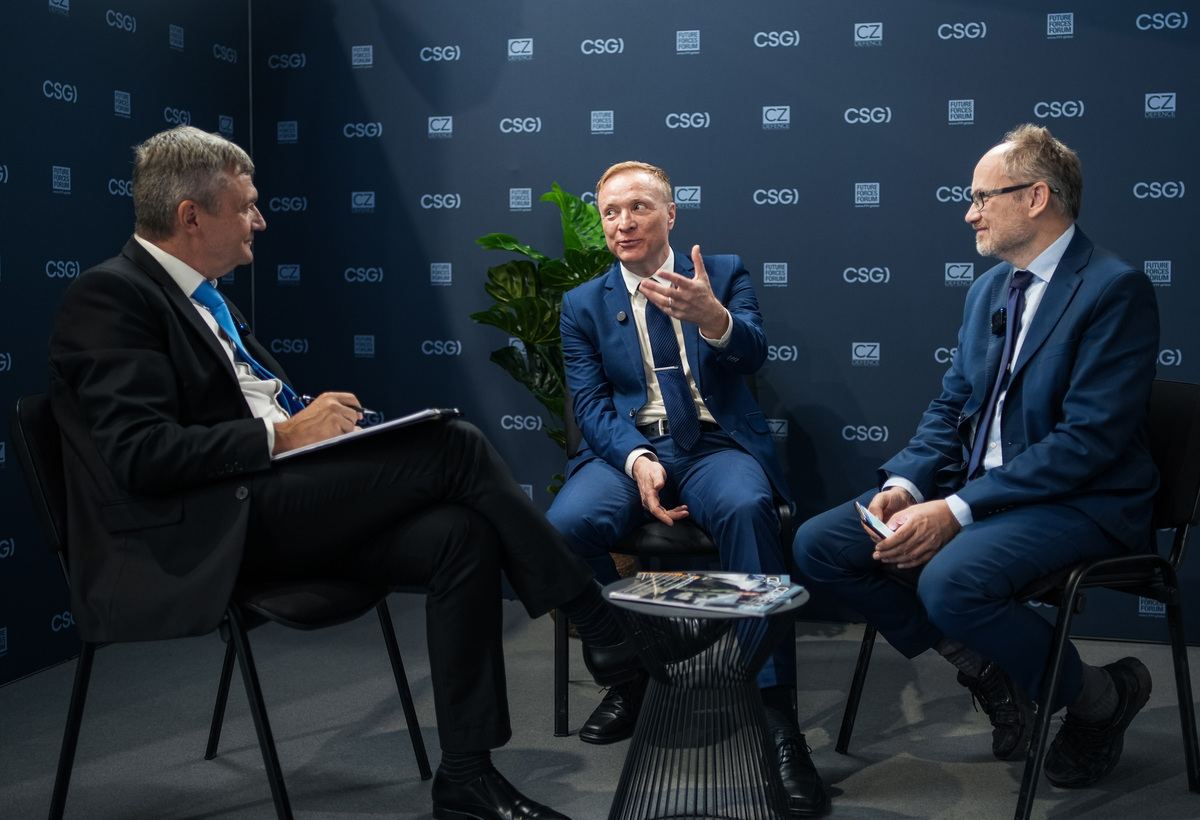
The conclusion of Thursday’s program at the CZ DEFENCE studio was devoted to quantum technologies, the development of which could have a profound impact in the future not only on the defense industry but also on the very functioning of the armed forces. Associate Professor Marcel Jiřina of the Czech Technical University in Prague – the expert advisor and principal investigator of the Quantum Technologies Consortium (QIC) project – and Professor Alexandr Štefek, Vice Rector for Digitalization and Informatization at the University of Defense and a member of the QIC steering committee, discussed the possibilities for their practical application. The discussion also focused on the importance of cooperation between civilian and military universities and the prospects for integrating quantum technologies into future defense systems.
On its second day, Future Forces 2026 offered a broad overview of current challenges and future prospects in defense through CZ DEFENCE. From the Czech Republic’s strategic priorities to specific manufacturing and technological solutions and cutting-edge quantum technologies, the interviews repeatedly confirmed that modern defense capabilities are built on close cooperation between the military, industry, and science. And it is precisely this bridging of these worlds that ranks among the main contributions of this year’s Future Forces event.