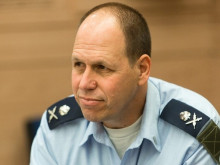











Brig. Gen. Miroslav Horáček: In High-Intensity Conflict, Supply Continuity, Repair Capabilities and Overall System Resilience Are Crucial
At a time when both the Czech Armed Forces and NATO as a whole are returning to preparations for high-intensity conflict and the collective defense of Europe, military logistics is taking on a whole new strategic significance. We spoke with Brigadier General Miroslav Horáček, Director of the Logistics Agency, about the ability to rapidly deploy forces, support allied troops, ensure the resilience of logistics chains, and modernize the Czech Army’s logistics system. The interview also covers the role of the Deployable Forces Support Battalion in Rakovník within the Host Nation Support system, the use of digital tools, the involvement of the Active Reserve, and why logistics today is one of the decisive factors in the Alliance’s ability to respond effectively to crisis situations.
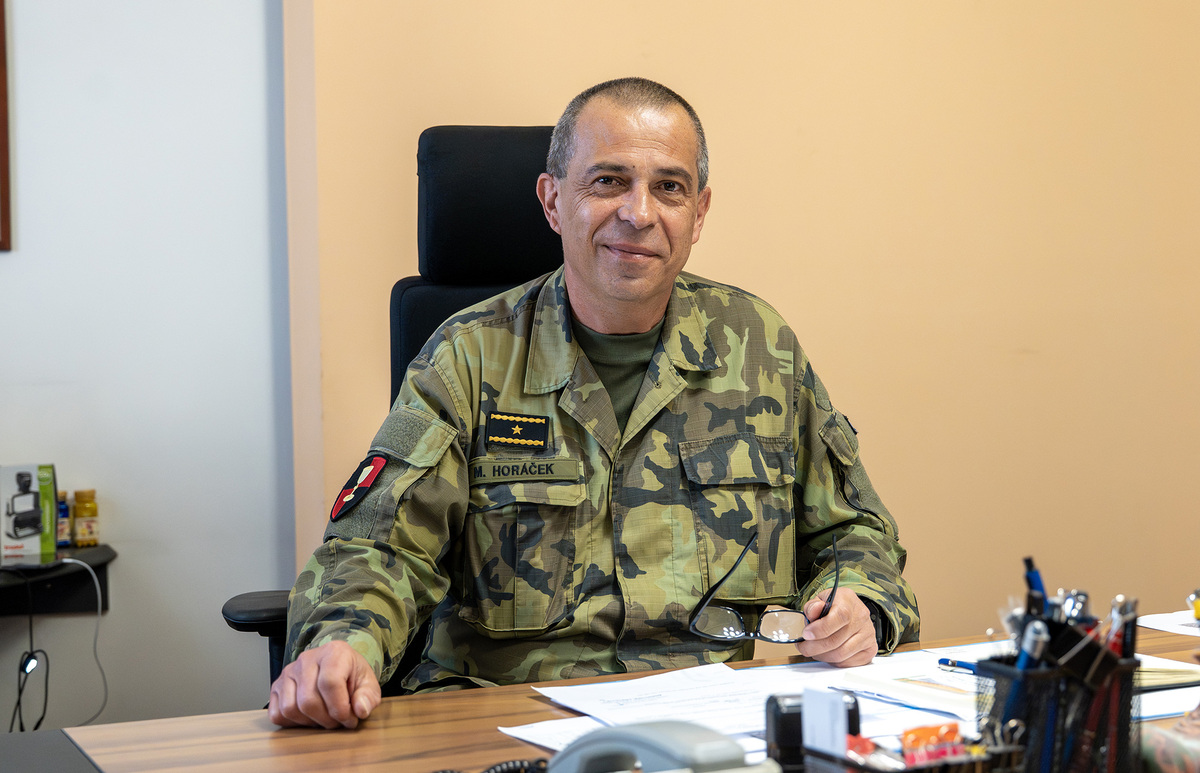
You have been heading the Logistics Agency since the beginning of the year; prior to that, you served as commander of the 14th Logistics Support Regiment in Pardubice. How do you perceive the main differences between managing these two organizational units?
The difference between managing a regiment and managing an agency lies not so much in the sheer number of tasks, but primarily in their nature and the level at which they are addressed.
At the regiment level, I focused on providing specific support to units in the field and on their readiness, training, and ability to carry out tasks within a given time and space. In contrast, at the Logistics Agency level, it is necessary to view the entire system as a whole – that is, the interconnection of individual levels of support, the management of material flows and transportation, and coordination across the army as well as in relation to allies.
There is also a fundamental difference in the time horizon. While at the regimental level the focus is primarily on current readiness and the execution of specific tasks, at the agency level it is also necessary to consider the long-term development of logistics capabilities, their sustainability, and readiness to carry out tasks within the framework of collective defense.
During your career, you also served in Rakovník, at that time with the Engineer Corps. How do you view today the reestablishment of the barracks there – which had previously been decommissioned – and their current role as the home of the Deployable Forces Support Battalion?
I view the reestablishment of the Rakovník barracks as a logical and sound decision that reflects the changing security environment in Europe. The army’s return to these facilities strengthens capabilities in the areas of host nation support (HNS) and logistical support across the entire Alliance.
Today, Rakovník is a key component of the logistical support system, enabling a flexible response to the needs of the army and our allies.
In your opinion, how has the role of military logistics changed in recent years in connection with the shift from expeditionary operations to preparations for large-scale collective defense?
The role of military logistics has changed significantly in recent years. We have shifted from supporting smaller expeditionary operations to preparing for large-scale operations, which require a completely different approach. Today, it is no longer just about supporting a unit at its deployment location, but above all about the ability to rapidly deploy, expand, and sustain forces over the long term. Logistics is thus becoming one of the key elements of the military’s overall readiness. Furthermore, in the context of collective defense, we must take into account that it is not just about our own units, but about the ability to receive, support, and further deploy allied forces within the Alliance’s area of operations.
This represents a fundamental shift in the demands placed on the entire system – from planning and infrastructure to cross-border coordination. In this context, logistics is not merely “support,” but one of the decisive factors determining how quickly and effectively the Alliance can respond. It is therefore also essential to place greater emphasis on cooperation with allies and the civilian sector, because without their involvement, such complex logistical tasks cannot be managed.
One of the main issues today is the ability to rapidly move forces across Europe. Where do you see the greatest limitations today: in infrastructure, transport capacity, or the planning processes themselves?
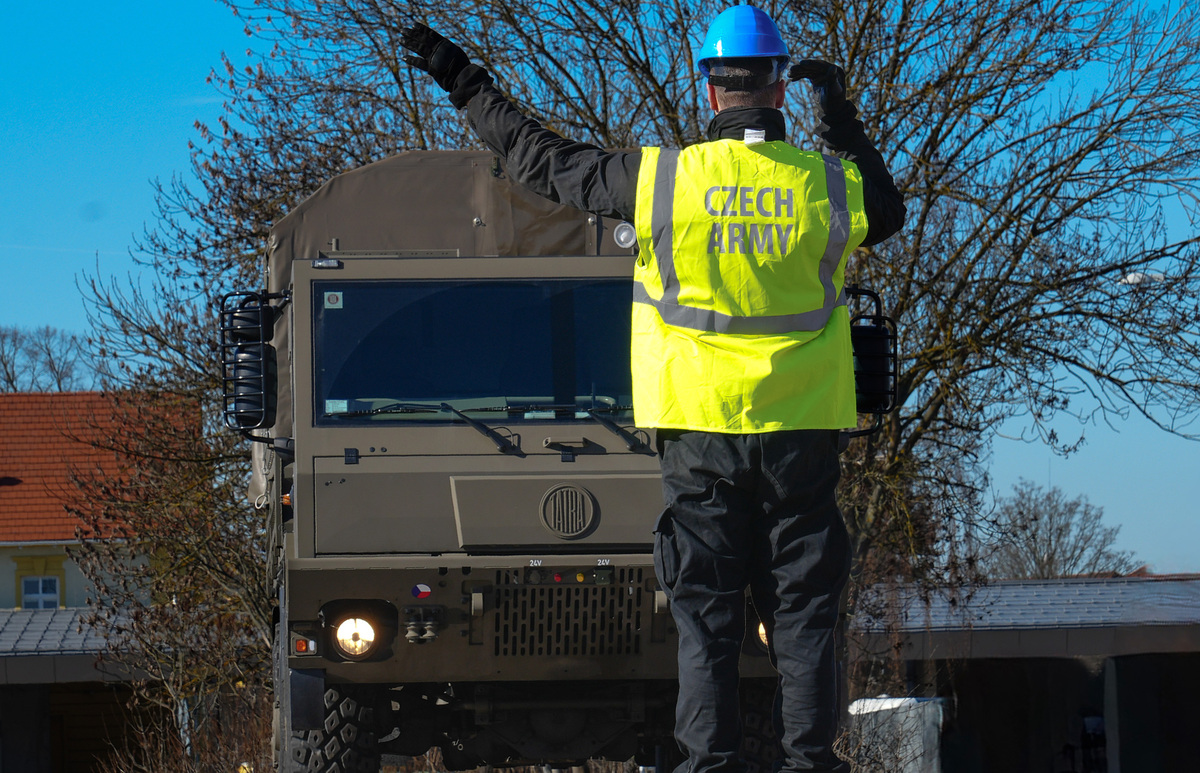
The limitations on the rapid movement of forces are not determined by a single factor, but by a combination of infrastructure, transport capacity, and planning processes. In practice, it often turns out that even when the physical infrastructure exists, what matters most is the ability to use it effectively in a crisis situation – that is, having routes, schedules, and supporting measures in place, as well as seamless coordination with civilian traffic. That is precisely why it is crucial for us not only to “have a route to take,” but also to have a system capable of planning, managing, and continuously adjusting movements in real time.
From the Logistics Agency’s perspective, it is important to emphasize that we have long-standing and repeatedly proven experience in this area. Our role is based on capabilities related to Host Nation Support (HNS) and, in particular, on the work of the Military Transport Department, which is part of the agency’s structure and regularly coordinates military transport and movements – including the movement of other countries’ armed forces through the territory of the Czech Republic.
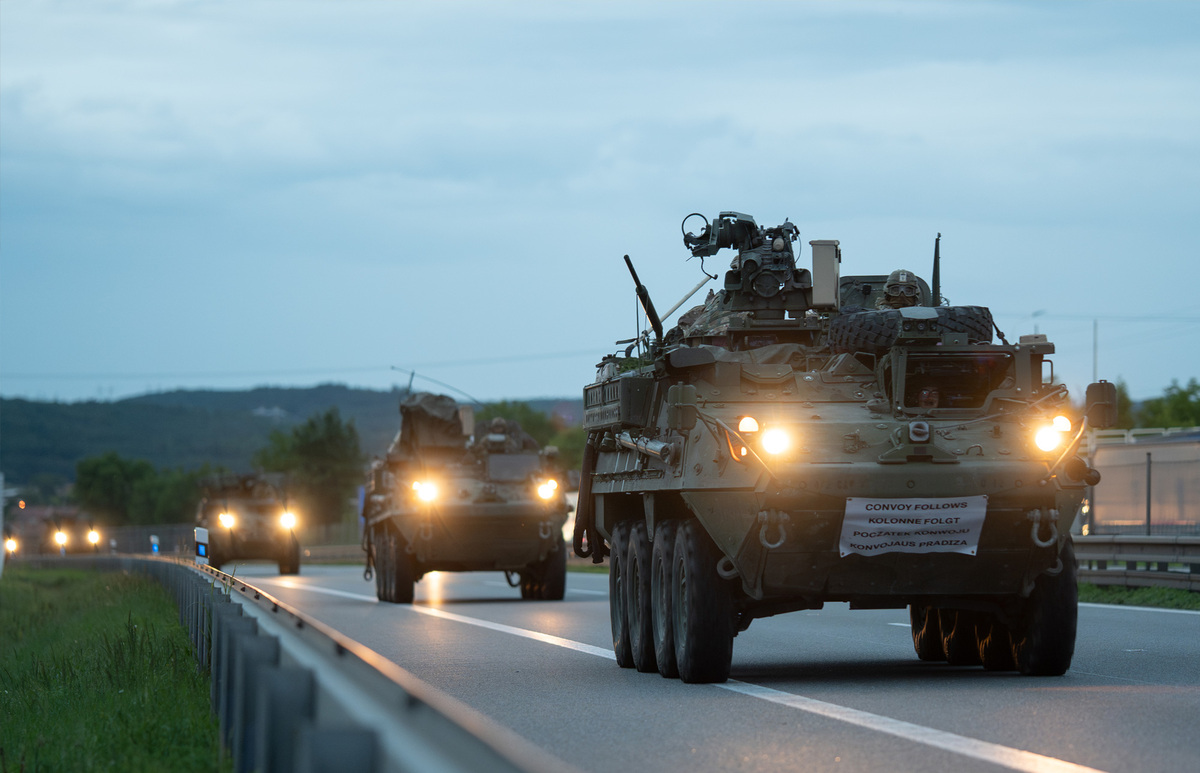
These capabilities have also been demonstrated during large-scale movements as part of Alliance exercises. For example, during the Saber Guardian 2025 exercise, U.S. units comprising over 1,200 soldiers and 450 pieces of equipment were moved through the Czech Republic – exactly the type of operation that demonstrates that, in addition to infrastructure, well-coordinated international cooperation, planning, and the ability to support a movement of this scale are also critical.
The Operations Command cites the sustainability of units after deployment as a key challenge. How is our military faring in terms of supplies, logistics chains, and their resilience in the event of a protracted conflict?
The issue of supplies is not just about their current quantity, but above all about the ability to replenish them over the long term and maintain logistics chains. In high-intensity conflict conditions, the continuity of supplies, the ability to perform repairs, and the overall resilience of the system are decisive.
In this regard, it should be noted that this is, to a certain extent, the domain of the Ministry of Defense, which has long been developing cooperation with domestic industry. It is precisely this connection that is key to ensuring the ability not only to build up stockpiles but, above all, to continuously replenish and renew them.
The Logistics Agency’s task is then to effectively manage and maintain these stocks and ensure their distribution to the various components within the Ministry of Defense. In other words, we ensure that these resources are in the right place at the right time and fulfill their purpose during operational deployment.
In a crisis scenario, the Czech Republic will serve not only as a contributing nation but also as a transit and host country. How logistically challenging is it to provide support for allied forces on our territory?
Providing support to allied forces on our territory is a complex task that, in practice, depends on our ability to quickly take charge of units, establish a support base for them, and safely move them onward to their area of operations. In Alliance scenarios, the Czech Republic serves as both a transit and host nation, which is precisely why we have the Deployable Forces Support Battalion in Rakovník. This unit was established as a logistics unit subordinate to the Logistics Agency and has been designed from the outset to carry out key Alliance processes such as HNS (Host Nation Support) and RSOM (Reception, Staging, and Onward Movement). However, as of July 1, this capability will be transferred to the Territorial Forces Command so that responsibility for carrying out tasks within the territory of the Czech Republic is clearly defined within the overall concept.
Members of the battalion are capable of rapidly establishing and operating the necessary infrastructure “in the field” – from convoy support sites to assembly areas for units and equipment – and providing basic services to units during their movement. Already, as part of the Convoy Support Center, it is capable of supporting approximately 900 personnel and around 400 pieces of equipment, a capability it has tested several times during exercises. This is not merely a “parking lot”; it involves providing lodging, meals, sanitation, medical support, refueling, and other services that ensure the movement proceeds smoothly and units continue according to plan.
How significant a risk is the limited capacity of key transportation hubs, such as railways, bridges, or terminals? And how would these vulnerabilities be addressed in the event of a real-world deployment?
It is important to identify these locations and take them into account as early as the planning phase. Part of the preparations involves identifying alternative routes and measures to protect them. Exercises in this area help uncover specific weaknesses and develop procedures for responding to them in a real-world situation.
From the Logistics Agency’s perspective, however, it is important to note that we also have specialized units that address these issues in practice. A key role in this is played by the Movement Control Teams, which regularly conduct reconnaissance of movement routes, participate in the management of transportation hubs, and work closely with, for example, the Military Police and the Police of the Czech Republic.
In the event of an actual deployment, addressing these vulnerabilities would involve not only logistical measures but also the protection of key sites and infrastructure within the country. In practice, this means securing key transportation hubs and infrastructure in cooperation with other state agencies and local governments, with the Territorial Forces Command playing a significant role in this effort.
What role do digital tools and data sharing play today in military logistics management, particularly in coordination with Alliance partners?
Digital tools have a fundamental impact on military logistics management today. They provide a better overview of the situation, enable faster decision-making, and allow for more efficient use of available resources. In the Alliance context, interoperability – that is, the ability to share data across nations – is key. In this context, tools such as LOGFAS (Logistic Functional Area Services) are used. LOGFAS is an Alliance information system designed for the planning, coordination, and management of military transport and logistics operations within NATO. Thanks to these systems, it is possible to work with shared data in real time and respond flexibly to developments, which is essential for modern logistics.
Do you see an opportunity for greater involvement of the Active Reserve specifically in the logistical support of operations within the Czech Republic?
Tasks related, for example, to the protection of critical infrastructure and logistical facilities, or to supporting operations within the country, fall primarily under the jurisdiction of the Territorial Forces Command. This is precisely where there is potential for utilizing the Active Reserve, in line with their mission and structure.
From a logistical perspective, it is important that these capabilities be well integrated with logistical support. In practice, this means a clear division of responsibilities, mutual coordination, and regular training to ensure that the various units are able to cooperate effectively in the event of a crisis.
On the other hand, it should be emphasized that, on paper, we have more than 600 Active Reserve members assigned to the entire Logistics Agency – a total of four security companies – which we intend to gradually staff to guard security centers that will play a key role in providing logistical support for the entire army during crisis situations.
What specific shortcomings or weaknesses in logistical support (outdated technology, equipment, coordination, etc.) were revealed during the most recent exercises, and how quickly do you think these shortcomings can be reduced or, ideally, eliminated?
Exercises can, of course, reveal certain weaknesses, but it must be said that logistics is a dynamic field that must constantly adapt to changing requirements and the security environment.
In practice, therefore, there is continuous development and modernization of logistics capabilities, whether by introducing new technology, increasing capacity, or streamlining processes. The military responds to these challenges systematically as part of its strategic development and the gradual replenishment of personnel and equipment.
However, the long-term planning and development of these capabilities are no longer primarily the responsibility of the Logistics Agency. The role of logistics is to put these conceptual steps into practice, ensure their implementation, and create the conditions for their effective use in both day-to-day operations and operational readiness.
What are your main priorities and the specific steps you intend to implement as Director of the Logistics Agency in the coming years?
The Logistics Agency’s main priorities include continuing to implement modernization, both in the areas of technology and equipment and in the introduction and validation of new processes, such as the use of 3D printing. At the same time, we are focusing on strengthening our stockpiles and further developing the logistics capabilities necessary to ensure support both in day-to-day operations and in preparation for missions.
Another important area is digitization and the enhancement of interoperability with allies. The ability to share information, plan, and coordinate logistics activities within the Alliance environment is crucial today for the effective conduct of joint operations.
However, in addition to material and technological development, working with people is also essential. Professional training, personnel retention, and the development of specific logistics expertise are key prerequisites for ensuring that the entire logistics support system functions reliably and effectively over the long term.
Related