



Karel Havlíček: Defense Spending Must Not Be a Race to Meet Percentage Targets – Czech Industry Must Take the Lead
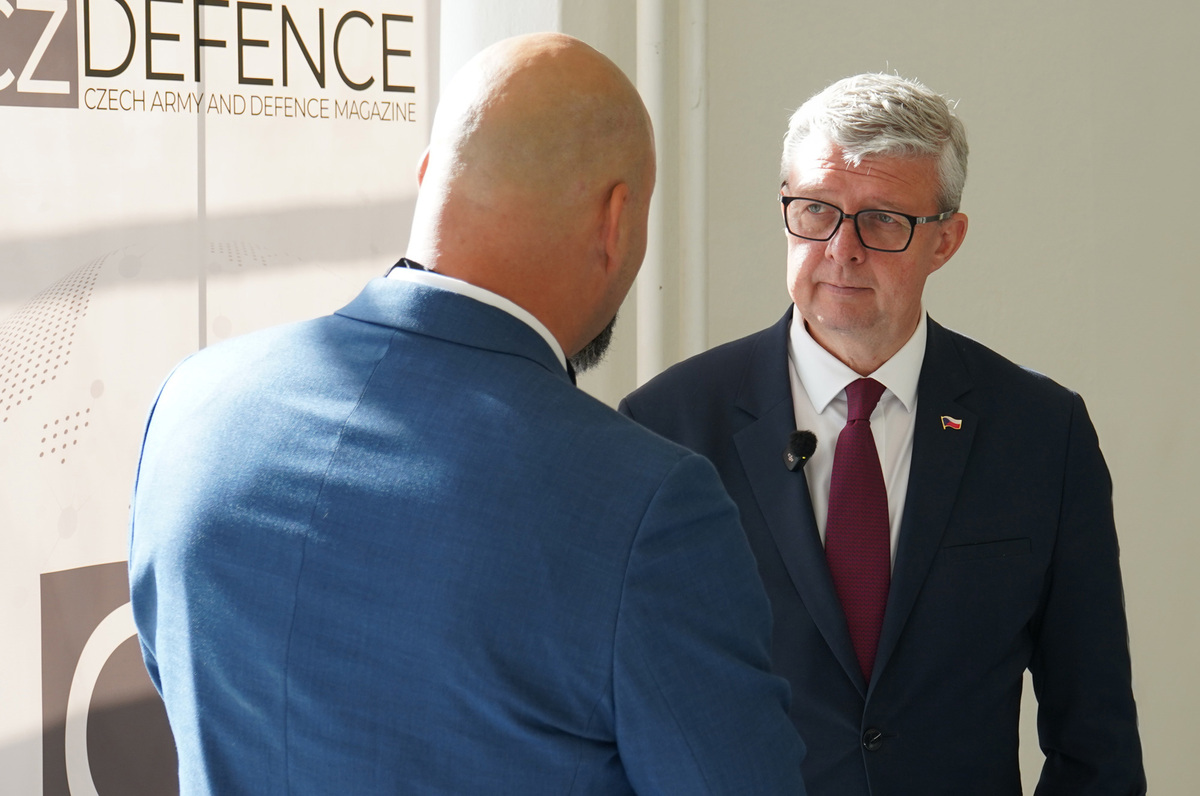
Increasing the involvement of Czech companies in the defense industry, supporting exports, and the effective use of public funds are among the main priorities of the Ministry of Industry and Trade in the area of defense-industrial cooperation. Deputy Prime Minister and Minister of Industry and Trade Karel Havlíček, in an interview with CZ DEFENCE at the DEFENCEO 2026 conference, emphasized that rising European defense spending represents a significant opportunity for Czech companies. At the same time, however, he warned against a situation in which increasing defense budgets becomes an end in itself – merely fulfilling percentage-based commitments without regard for the military’s actual needs, cost-effectiveness, and transparency in procurement.
Video: Karel Havlíček: Defense spending must not be a race for percentages; Czech industry must take the lead / CZ DEFENCE
One of the main topics of the interview was the new division of responsibilities in the area of defense-industrial cooperation. The Ministry of Industry and Trade has assumed responsibility for this area with the aim of strengthening the position of Czech companies in both the domestic and international defense markets. According to Karel Havlíček, this step is a logical consequence of the defense industry’s growing importance to the Czech economy.
“Greater involvement of Czech industry in activities related to the defense sector. It’s that simple. Spending is increasing across Europe, and we need Czech industry to take the lead,” the minister said. He noted that his ministry has a strong export and research base, as well as experience in creating favorable conditions for business across various industrial sectors. It is precisely these capabilities that he intends to leverage for the benefit of the Czech defense industry.
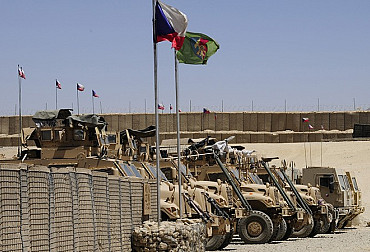
According to Havlíček, more intensive communication between individual ministries, the military, and the business sector is set to play a significant role. This is because the defense industry is increasingly dealing with issues that go beyond the scope of the Ministry of Defense itself. The Ministry of Industry and Trade therefore intends to act as an intermediary to help Czech companies communicate with other government institutions and promote their business interests abroad.
Havlíček emphasized that the ministry has many years of experience in this area. Every year, it organizes dozens of international trade shows and marketing events, as well as hundreds of professional meetings and roundtables. According to the minister, cooperation with the military and other ministries has been good so far, and these established mechanisms can also be used to support defense companies.
New Opportunities for Companies Outside the Traditional Defense Sector
The minister devoted special attention to opportunities for Czech companies that have not yet been active in the defense industry but possess technologies or production capacities that can also be used for military purposes. According to Havlíček, the state can offer them several forms of support. In addition to educational and informational activities, this primarily involves marketing and export support through a network of state agencies abroad. Financial instruments are also available in the form of guarantees, insurance, and various types of loans. The Ministry of Industry and Trade is also prepared to address the individual needs of specific manufacturers, including issues requiring negotiations at the highest political level.
Havlíček noted that the personal involvement of members of the government can be decisive when securing larger foreign contracts. “When larger projects are being delivered there, it’s logically impossible to pull it off without the minister or the prime minister,” he stated.

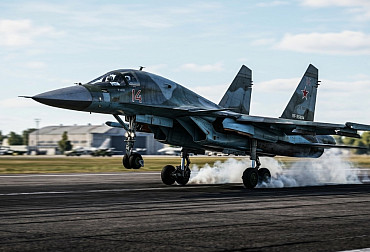
Defense spending must reflect actual needs
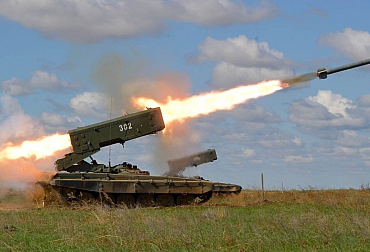
The most notable part of the interview concerned growing defense budgets and how they are used. The minister pointed out that simply increasing spending does not automatically guarantee a more effective national defense. He considers the effectiveness of purchases, their transparency, and the appropriate price of the equipment being acquired to be of paramount importance. “This must not turn into a race for percentages, because then it’s just about spending money at the end of the year on something that isn’t strictly necessary,” Havlíček warned.
According to the minister, pressure to meet a set percentage for defense spending can create a risk of inefficient procurement. If funds are spent primarily to meet budgetary targets, the transparency of the entire process may suffer. In this context, Havlíček also pointed out the potential for interest groups to influence procurement contracts and the risk of corrupt practices.
He therefore emphasized that increasing defense spending must be accompanied by rigorous oversight of its effectiveness and cost-efficiency. In his view, the state should primarily purchase what the armed forces actually need, while simultaneously striving for the most favorable terms. “We’re buying what we need, we’re pushing for lower prices, and we’re increasing spending – but not in a way that involves simply ticking off percentages on a spreadsheet,” concluded Deputy Prime Minister and Minister of Industry and Trade Karel Havlíček.
Related