
















Drone Shield 2026: The Army Tests a Response to One of the Greatest Threats on the Modern Battlefield
In the second half of September, the third annual international experimental exercise, Drone Shield 2026, took place at the Březina military training area. This event focuses on unmanned systems, defenses against them, and, above all, the practical testing of new technologies that can be used by the armed forces.
Video: Drone Shield 2026: The Army Tests a Response to One of the Greatest Threats on the Modern Battlefield / CZ DEFENCE
Experience to date on modern battlefields shows that anti-drone defense cannot rely on a single, universal solution. The key lies in integrating various sensors and command-and-control systems, sharing information, and deploying assets capable of responding effectively to detected threats. The entire process can be summarized in six basic steps: detect, identify, locate, share, decide, and respond.

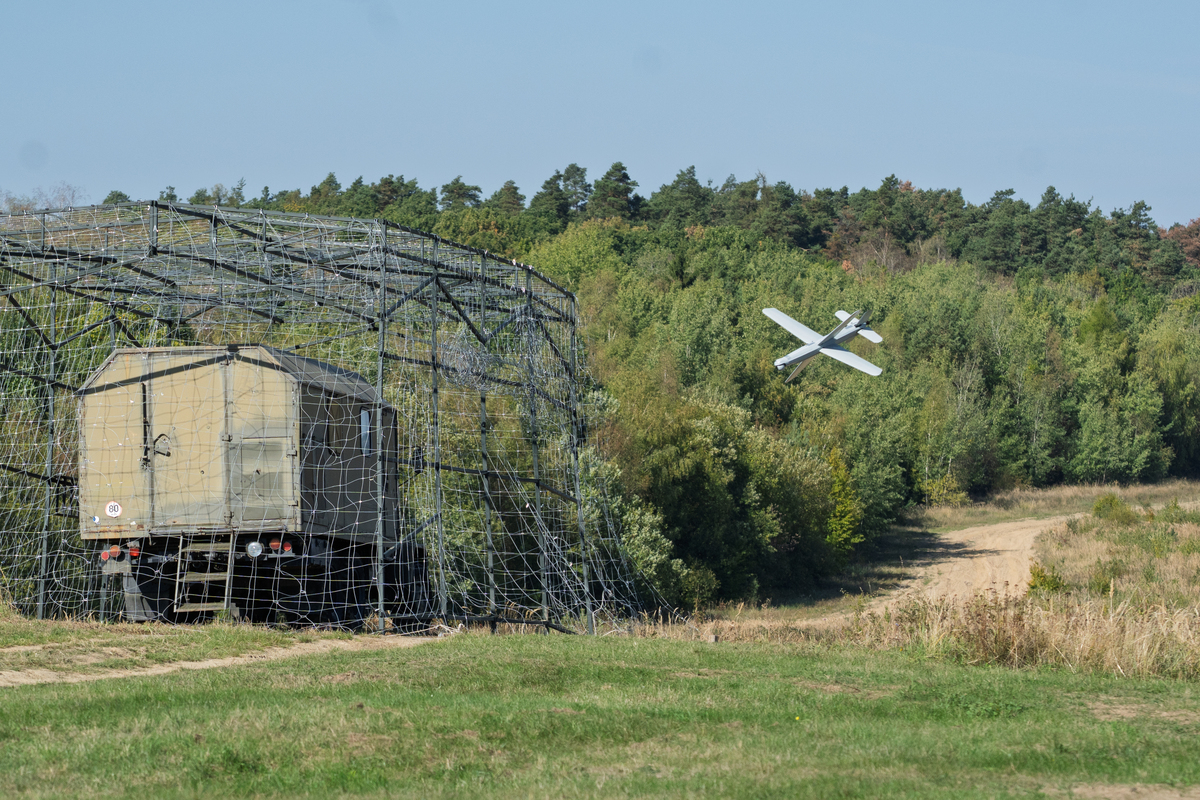
Drone Shield focuses primarily on comparing and verifying technologies, not on evaluating the human factor. Although the exercise was designed to resemble real combat scenarios – such as those currently unfolding in Ukraine – as closely as possible, the drone pilots were not subjected to the physical or psychological stress associated with actual combat deployment. Therefore, the difficulty of operating individual systems or the time required to prepare them were not among the evaluation committee’s main criteria. Nevertheless, representatives from the Czech Army and other organizations in attendance paid attention to these aspects as well.
At the same time, artificial intelligence is playing an increasingly significant role in most current unmanned systems, whether aerial or ground-based. It can partially relieve pilots of the mental strain associated with control, take control of the drone in heavily jammed environments, or fully automate the entire flight so that the unmanned vehicle can complete the assigned task independently.
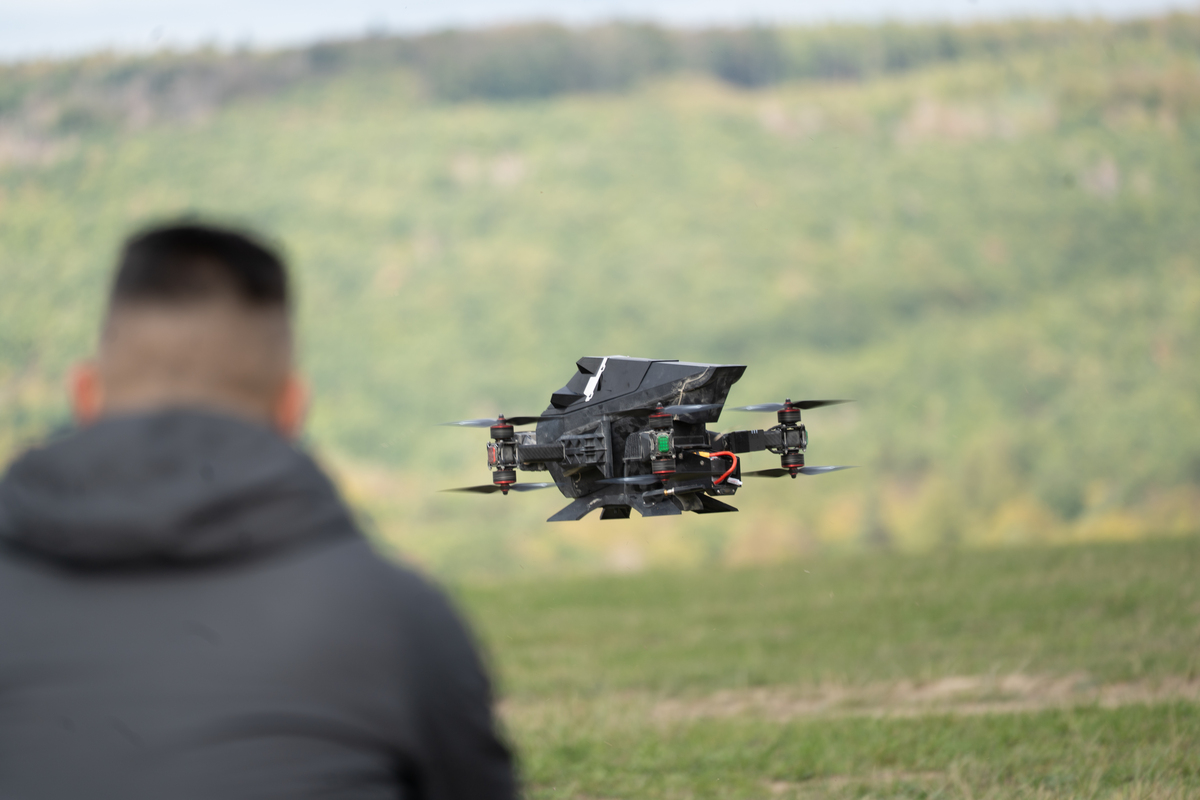
As footage from the exercise shows, modern drone and anti-drone systems can respond exceptionally quickly and effectively as a result. To simulate a heavily jammed environment, the exercise also utilized modern Czech STARKOM jammers, which are operated by the 53rd Reconnaissance and Electronic Warfare Regiment.
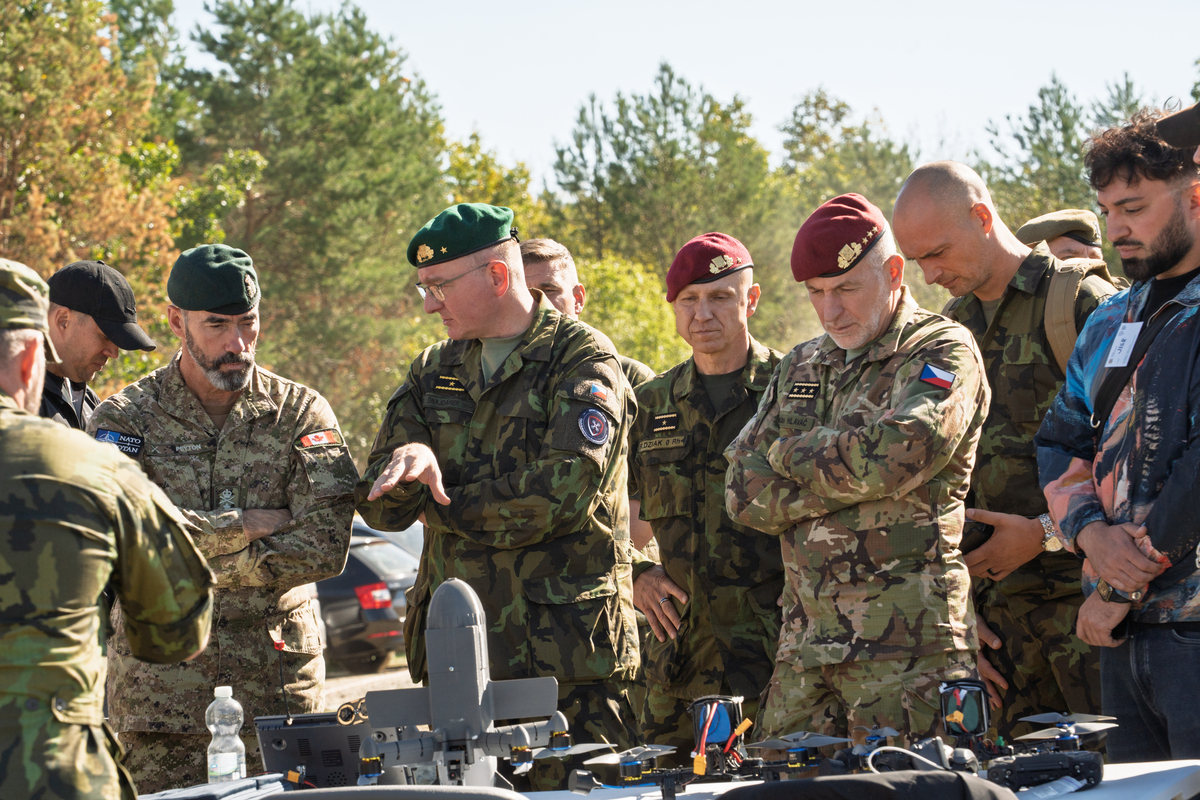
The Drone Shield 2026 exercise was led by the Communications and Information Systems Section of the Ministry of Defense and the Force Development Section of the Ministry of Defense, in cooperation with NATO’s Defence Innovation Accelerator for the North Atlantic (DIANA). DIANA is a NATO tool designed to support the development of an innovation ecosystem in the field of emerging and disruptive dual-use technologies with potential applications in defense.
A major new feature of this year’s event was a separate experimental section focused on unmanned ground systems, robotics, and autonomous technologies. It took place at the newly established national technology test site for unmanned systems in Lipník nad Bečvou.
Given the current security situation, the Drone Shield experimental exercise is an extremely necessary project that comprehensively maps new trends in the field of unmanned and robotic systems, as well as defenses against them.
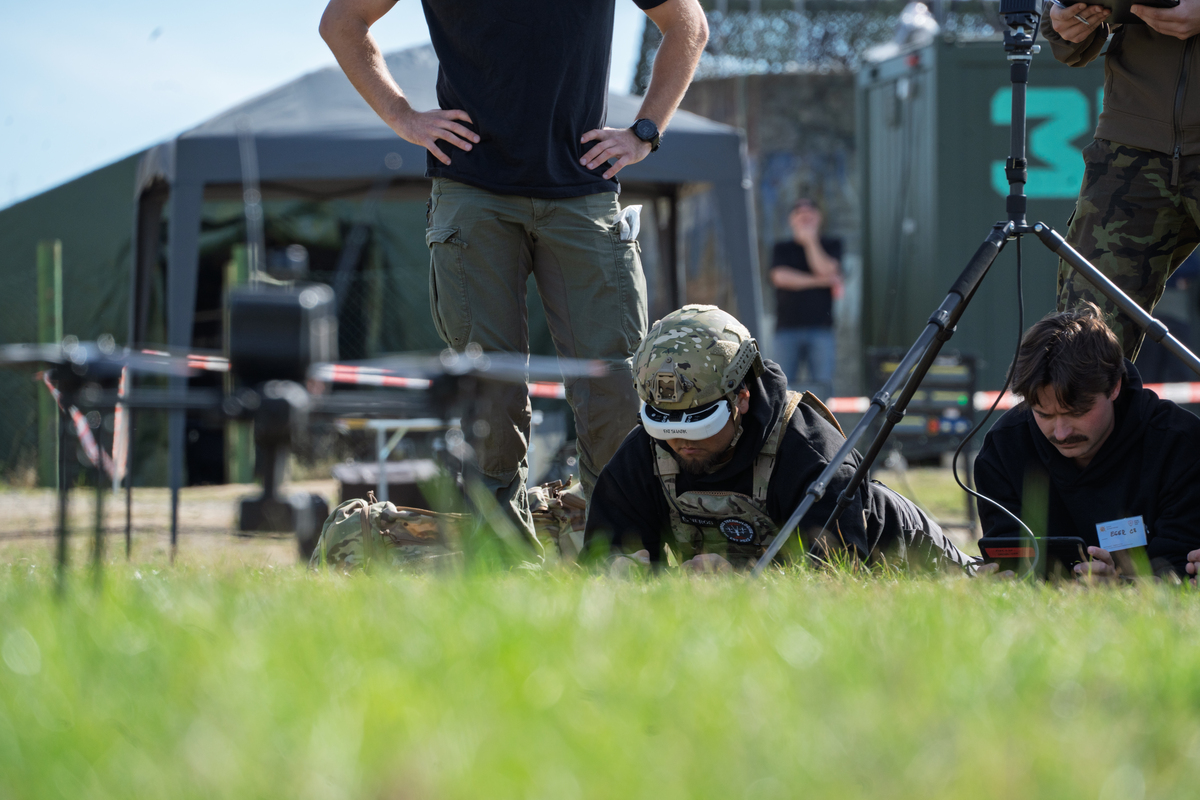
Its growing importance is evidenced not only by the increasing number of participating companies – which are offered a unique opportunity to compare their technologies in the real-world environment of a military training area – but also by its direct partnership with the NATO DIANA program.