















MAD21 Enters Military Testing: Soldiers to Receive the New Camouflage in 2029, New Uniform Design Coming This Year
In early August 2026, field trials began for the new MAD21 camouflage pattern, which is set to replace the current pattern after more than thirty years. While soldiers will have to wait until 2029 for the new camouflage pattern, they will begin receiving modernized field uniforms with a new cut as early as this year.

The abbreviation MAD21 stands for “Camouflage Design 2021” and refers to the year in which the concept for the new camouflage pattern was created. The initial impetus for its development came from the book *Camouflage* by Tomáš Chorý, an academic painter and sculptor at Palacký University in Olomouc. The development team subsequently approached him to collaborate, and it was his design that became the foundation of the entire MAD21 project. To evaluate the new camouflage in its actual form, a fabric sample with a digitally created print was produced and presented to the media at the University of Defense in February 2022.

“The goal was to create a modern, multipurpose camouflage pattern effective not only in forest environments but also in open terrain, arid regions, and urban areas – that is, in environments that characterize contemporary conflicts and reflect Central European conditions,” explains Lieutenant Colonel Martin Čech, Chief of the Equipment Service Division at the Logistics Agency. After the design was finalized, MAD21 was registered as a European industrial design, which ensures its legal protection and guarantees that there will be no deviations during production and that all components will conform to the approved design. Furthermore, the design protection significantly limits the possibility of unauthorized copying or use outside the defense sector.
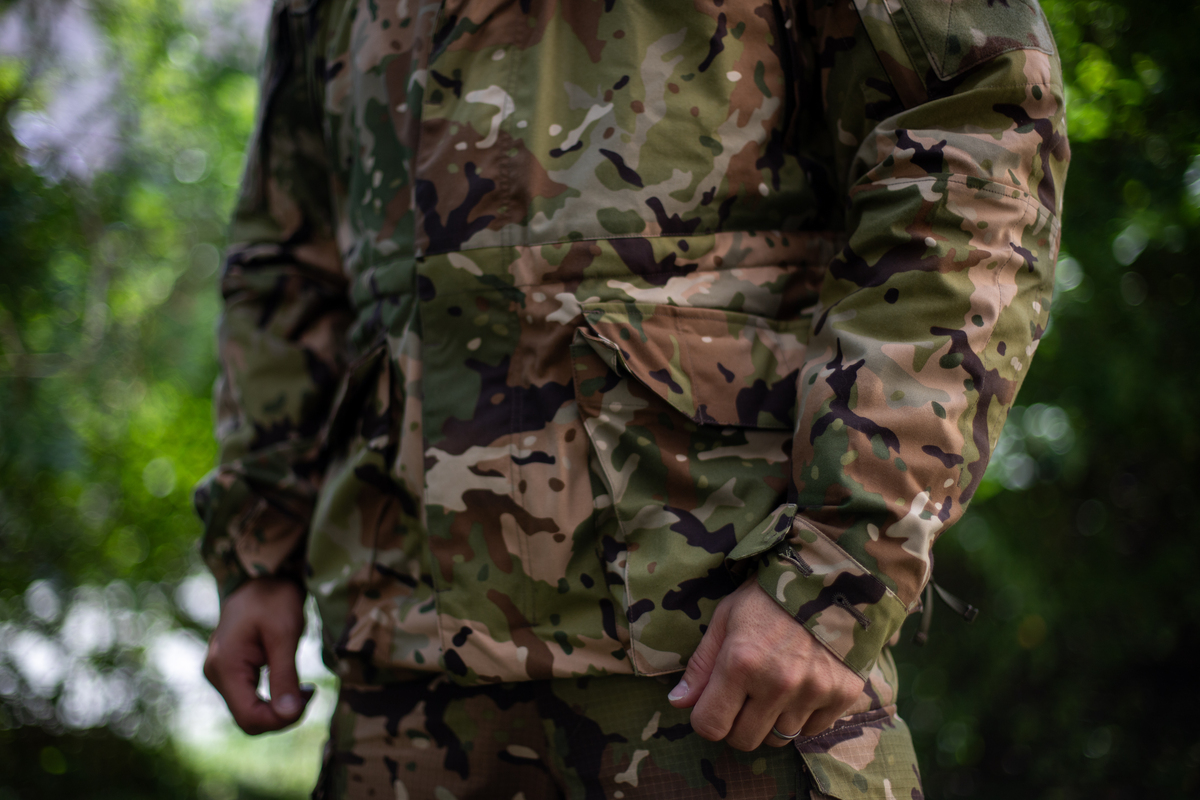
Extensive laboratory testing was also part of the MAD21 development process. The Military Research Institute in Brno, as the national authority in the field of camouflage, verified the properties of the new pattern and prepared the Czech Defense Standard (ČOS), which sets out the requirements for its future production and quality control. Based on the test results, the pattern’s camouflage capabilities and other key parameters necessary for its introduction into the Czech Army’s equipment were verified.
The culmination of several years of development came this August with the start of field trials. Only after their successful completion and the evaluation of all specified requirements will it be possible to definitively introduce MAD21 and begin its gradual procurement for soldiers of the Czech Army.

A tradition with a new twist
The army made a conscious decision to retain its own national pattern rather than completely switch to MultiCam, which would have entailed licensing fees and meant the loss of the unique identity of Czech camouflage. “The goal was to create a Czech camouflage pattern that would replace the existing forest and desert variants,” adds Lieutenant Colonel Čech. The shape of the colored patches retains a nod to the ’95 pattern, which was exceptional in its time; however, with changes in the operational environment and the transformation of the landscape, it was necessary to adjust the pattern’s colors (e.g., replacing black with dark brown) so that it could continue to fulfill its protective function. The versatility of the pattern is ensured by the use of multiple colors, micro-patterns, and color gradients.
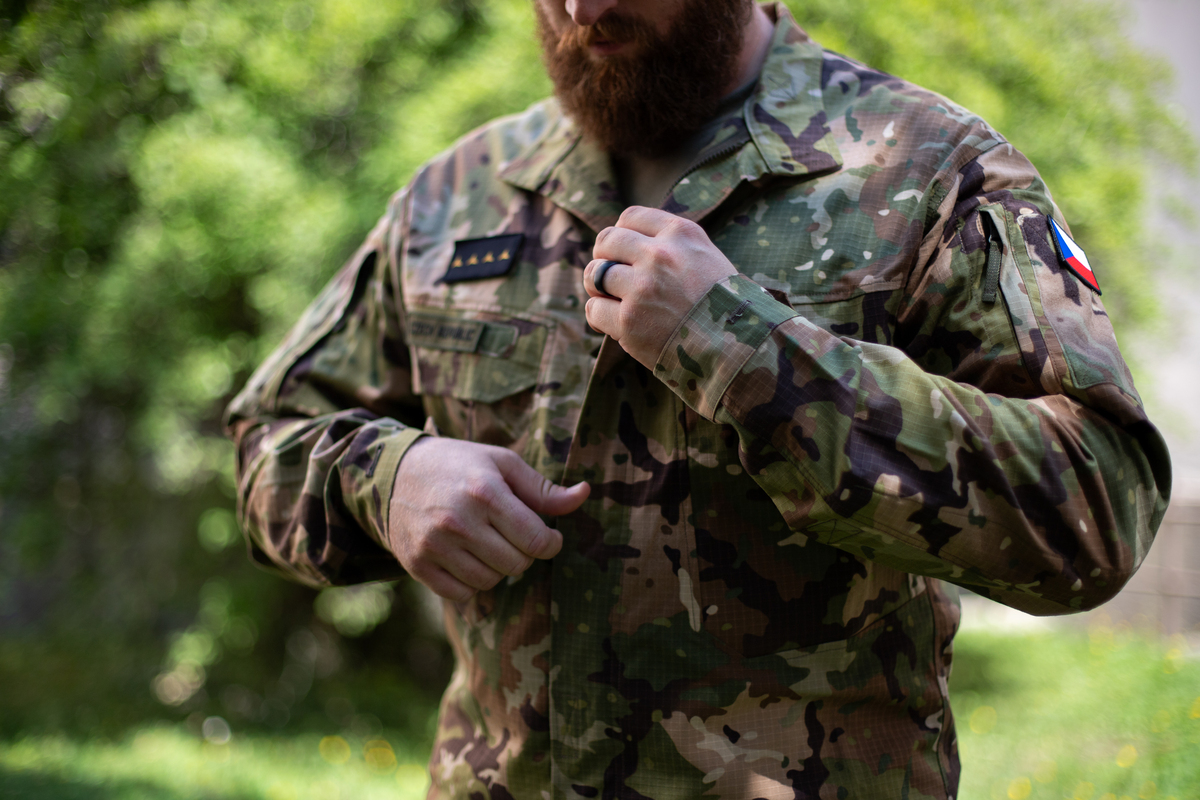
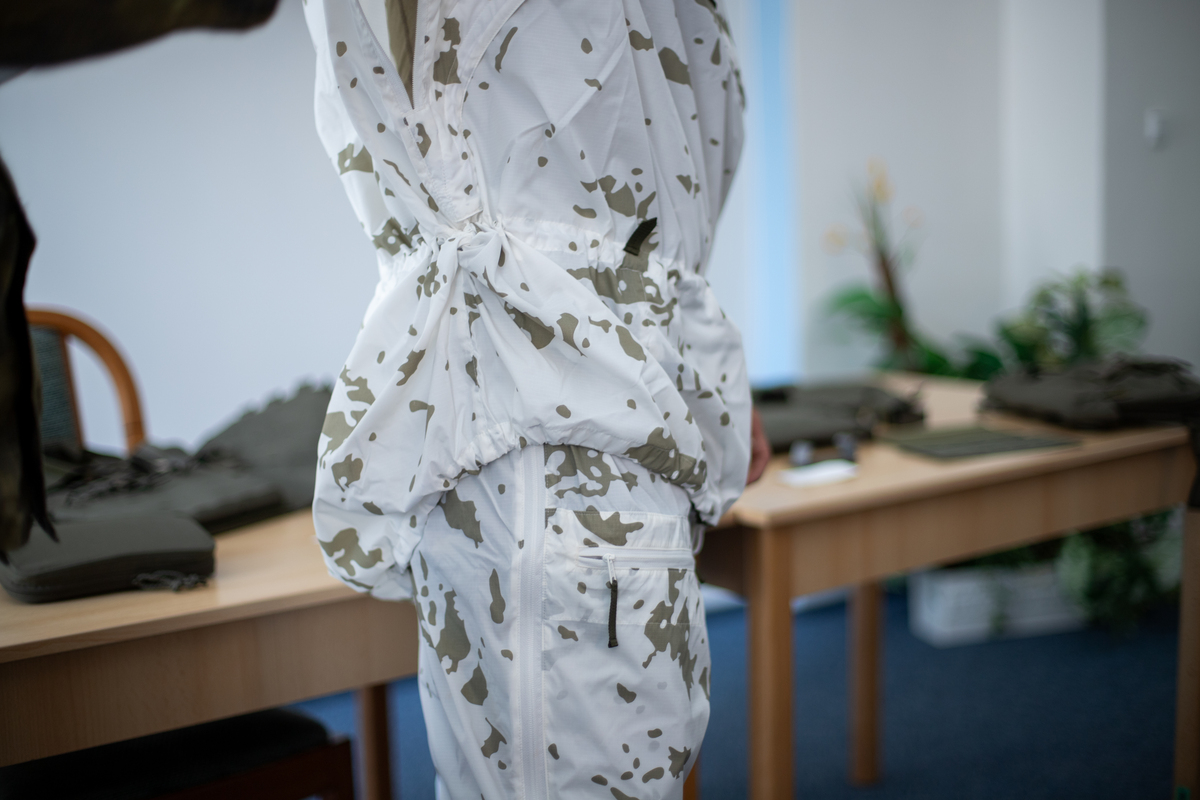
Alongside the military trials of the MAD21 pattern, tests are also underway for its winter camouflage uniform, which is part of the camouflage system currently being developed. Some previously introduced equipment items, such as gloves and hats, are already compatible with the new pattern, with their color schemes based on the MAD21. Together with winter insulation gear, these items are expected to form a comprehensive uniform set in the future, enabling the gradual re-outfitting of soldiers in the Czech Army.

Moreover, the changes do not apply only to the camouflage pattern itself. “The modernization also includes a new cut for the field uniform, which will offer soldiers a more practical pocket layout, greater comfort, functionality, and breathability thanks to the use of elastane,” adds Lieutenant Colonel Čech. Soldiers are expected to begin receiving the new cut as early as this year, still in the 95 pattern.
The new uniform design and the MAD21 camouflage pattern were developed from the outset as two separate lines of development. The priority was to get the new cut in the 95 pattern to soldiers a little sooner to improve comfort. “With the introduction of MAD21, we knew it would take longer because it was necessary to prepare the aforementioned ČOS, the development of which was complex, especially given the required comment review process,” concludes Lieutenant Colonel Čech.
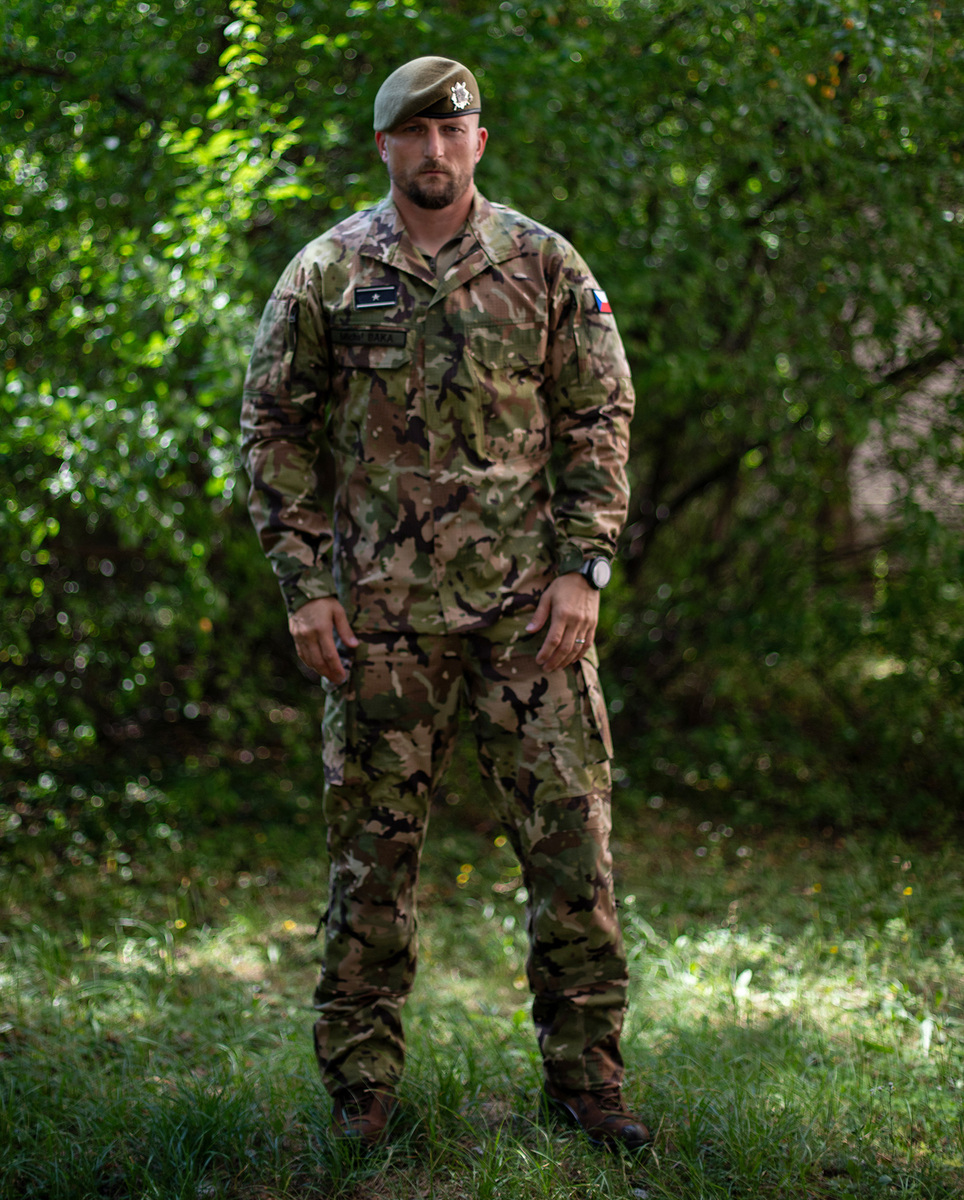
MAD21 thus represents the most significant change in military camouflage since the introduction of the 95 pattern. It builds on the proven tradition of Czech camouflage while also addressing the demands of the modern battlefield and the needs of today’s soldier.