









CV90: From an armament program to a strategic backbone of NATO
Europe has entered a period unlike any seen since the end of the Cold War. Defense budgets are growing at a pace that would have seemed unrealistic just a few years ago. NATO is now heading toward the five percent of GDP threshold for defense spending, the European Union is mobilizing hundreds of billions of euros, and individual countries – including Sweden – are launching the largest procurement programs in a generation.
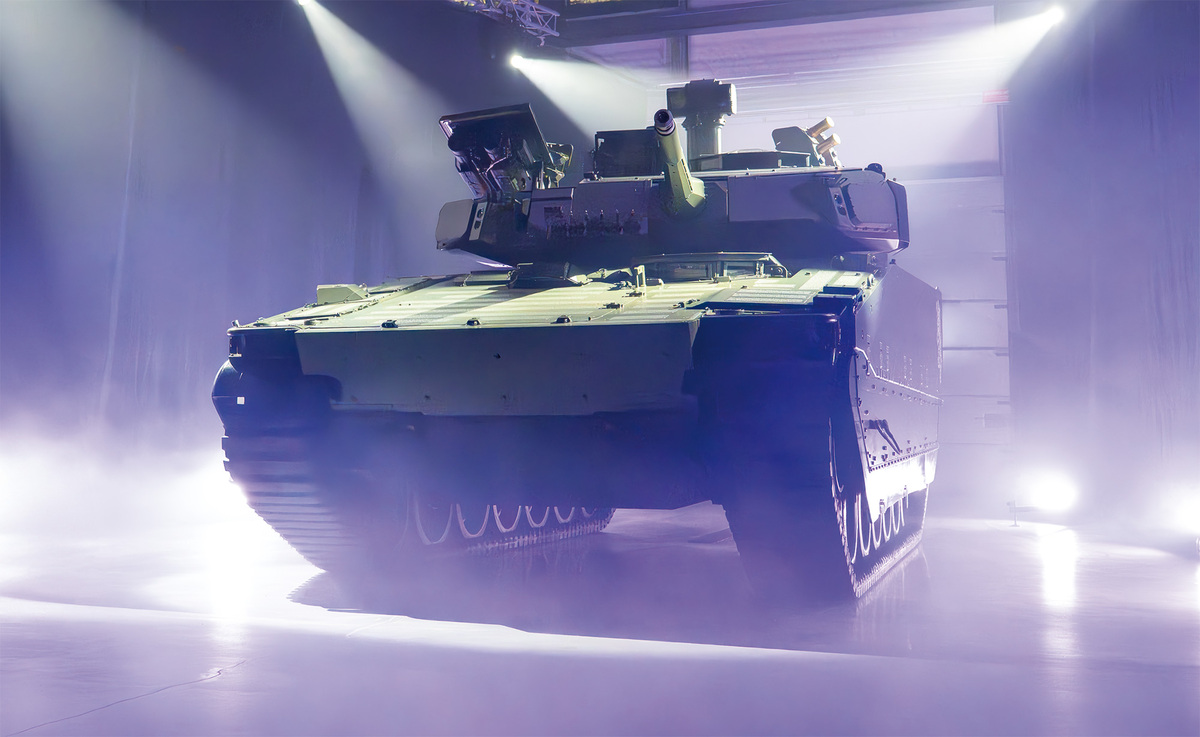
In this new security environment, the CV90 infantry fighting vehicle has become more than just a technical platform. It symbolizes a profound transformation of European defense – technological, industrial, and political.
BAE Systems Hägglunds faces a paradox today that sums up the entire situation: there is plenty of money, but not enough time. Just a few years ago, the defense industry was a largely underfunded sector with long planning cycles. Today, however, the order books are full for years to come, with a volume of approximately 80 billion Swedish kronor and still growing – and the main pressure is speed.
The largest order in CV90 history?
A key development is the initiative by Sweden, Finland, Lithuania, Estonia, and the Netherlands to jointly procure the CV90. If fully implemented, this will likely be the largest order in the history of this platform. The strategy is surprisingly simple: fewer national exceptions, more standardization. The nations are giving up some of their individual requirements in favor of a common configuration – “built to print.” The result? Delivery times are shortened from the usual four years to roughly two years, as the development of a new variant is eliminated. For industry, this means production stability; for the armed forces, interoperability; and for NATO, a strengthening of joint capabilities.
Investments that are changing the pace of production
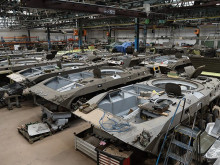
BAE Systems Hägglunds is investing approximately three billion Swedish kronor over the next three years to expand its production capacity. Production is set to increase up to fivefold, with the goal of delivering one tracked vehicle per day.
The biggest obstacle, however, is not final assembly, but the supply chain. Gearboxes, weapon systems, and state-of-the-art sensors are manufactured by only a very limited number of producers – in some segments, there are only two globally.
Growing demand across NATO is thus creating a new form of strategic competition for production capacity. Without long-term, politically guaranteed orders, subcontractors are reluctant to invest in expanding production. Contract stability is therefore becoming just as important as the financing itself.
NATO as an industrial catalyst
Sweden’s accession to NATO fundamentally transformed the role of the defense industry, turning what was once a “marginal” sector into a strategic tool of the state. The Swedish model is based on openness and interdependence. CV90 production is geographically dispersed – the hulls are built in Örnsköldsvik, while other components and final assembly take place in various countries. In the short term, production is set to expand to as many as ten locations. This is not just a matter of capacity, but also of supply security. A network of mutual industrial ties is emerging, strengthening collective defense not only in production but also in maintenance and repairs.
Ukraine: A harsh reality check
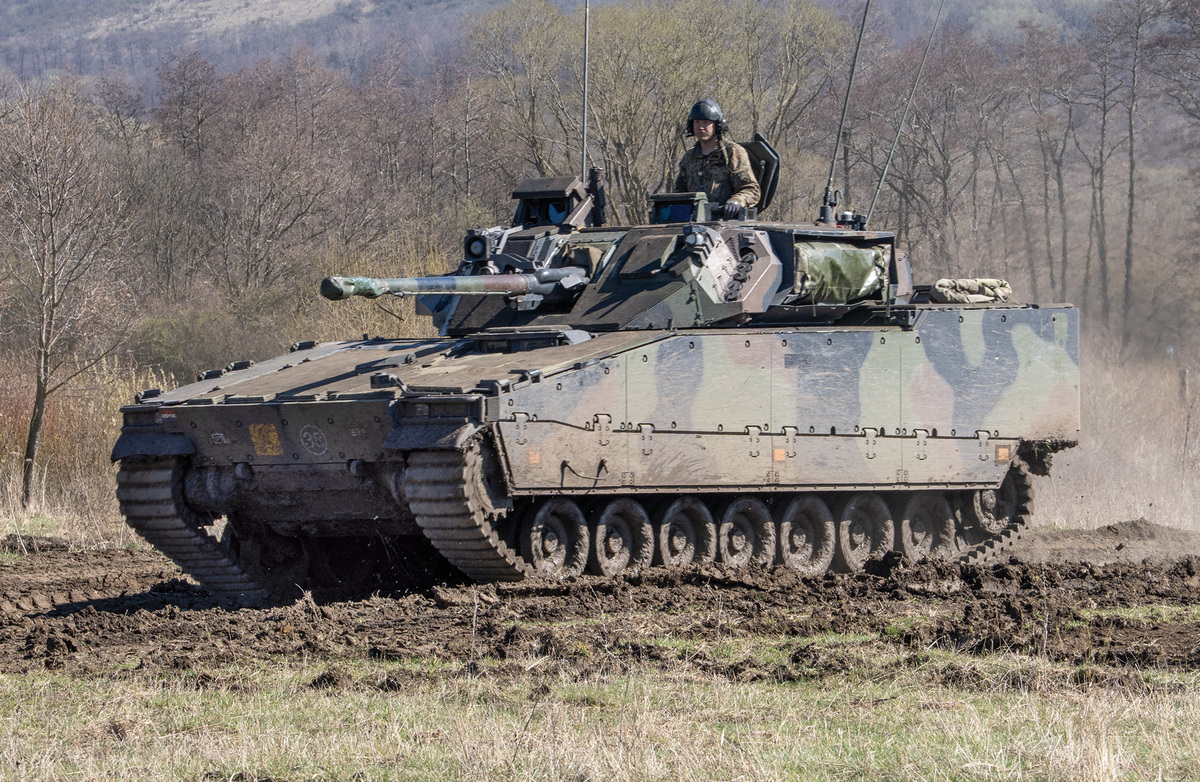
The deployment of CV90 vehicles in Ukraine represents a unique source of experience. No exercise can replace this crucial data from real combat. New orders for CV90 tracked armored vehicles for Ukraine have already been placed, and more are expected. Experience gained so far on the Ukrainian battlefield confirms the robustness of the Swedish tracked platform, while also dramatically accelerating innovation. Development cycles have been shortened from decades to weeks.
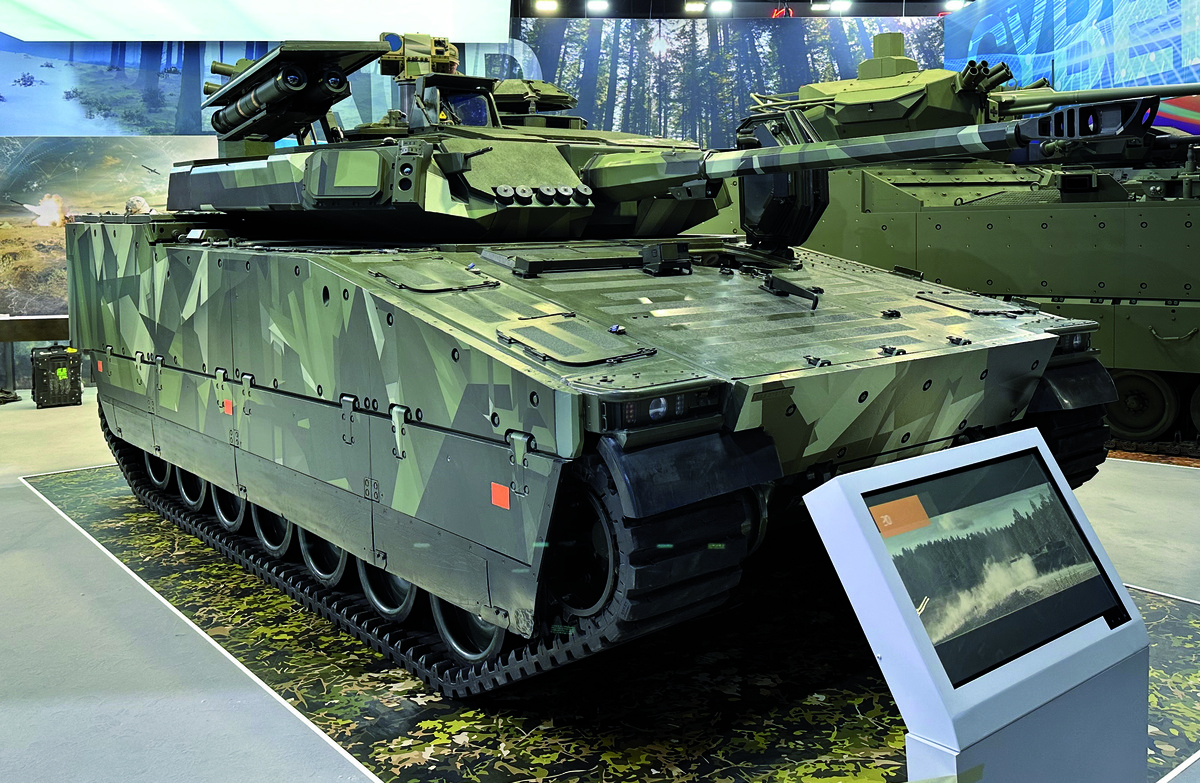
Current versions, such as the CV90 MkIV, already integrate active protection systems and the ability to respond to new threats, including unmanned aerial vehicles. The CV90 vehicles deployed in Ukraine are mostly older generations, while today’s production models offer a significantly higher level of protection and digitalization.
From national self-sufficiency to European integration
While the Cold War was based on near-total self-sufficiency, the current strategy is the opposite: to foster interdependence within NATO. The CV90, which is currently used by ten countries, is an example of this philosophy in practice. At the same time, Europe is taking on greater responsibility for its own defense. The transatlantic bond remains crucial, but European nations are well aware of the need to develop their own industrial and technological capabilities.
A shift in mindset
Perhaps just as significant as the technological revolution is the shift in public perception. Today, defense industry employees openly speak of their pride in their work. The production of modern combat vehicles is seen as a direct contribution to the defense of democratic values. What was a source of hesitation just a few years ago is now a source of pride.
What does this mean for the Czech Republic?
For the Czech Republic, which is introducing CV90 tracked vehicles into the Czech Army’s arsenal, this is not merely a matter of modernizing a single platform, but a much broader strategic decision.
First, the Czech Republic is becoming part of the European manufacturing and logistics ecosystem. This means not only the delivery of vehicles, but also the long-term involvement of domestic industry in production, maintenance, and modernization.
Second, standardization within NATO significantly enhances the interoperability of Czech units. In a crisis situation, the ability to share logistics, spare parts, and expertise is crucial.
Third, the Czech experience confirms that defense projects are no longer isolated national programs. They are part of a broader security architecture where industry, politics, and the military are integrated into a single functional system.
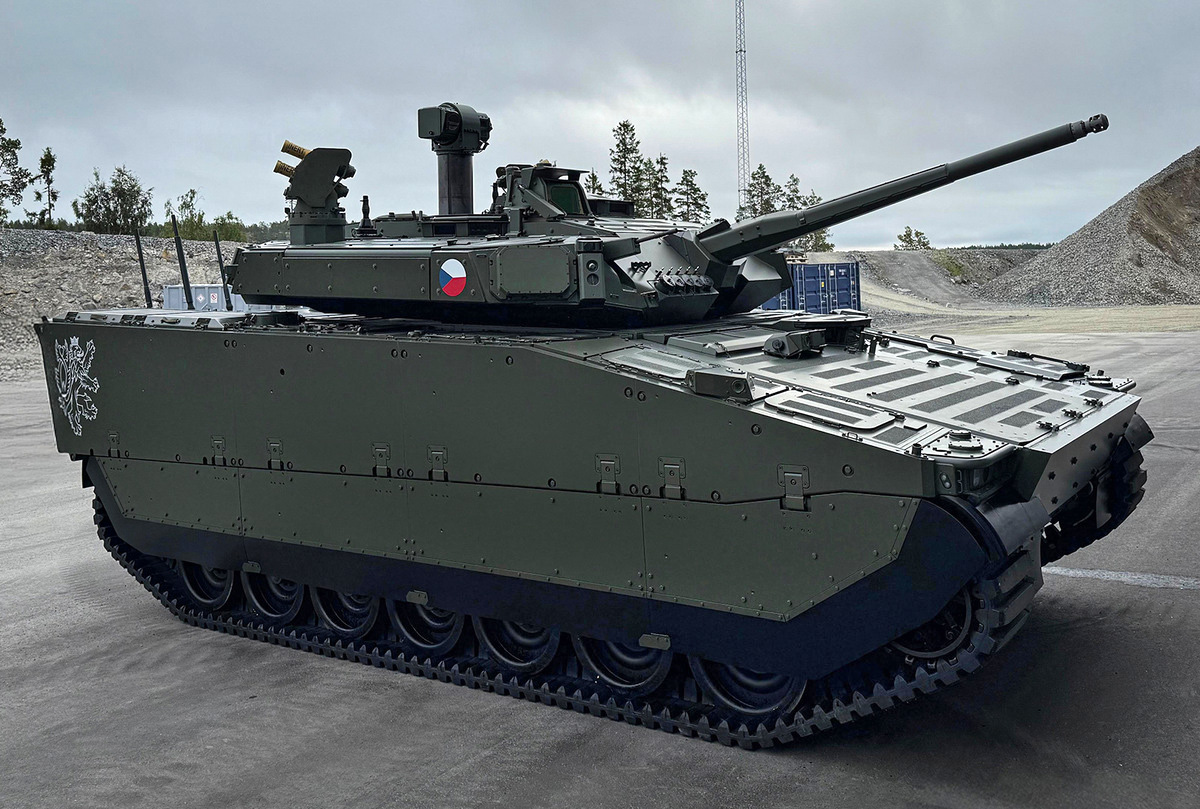
For the Czech Republic, the CV90 is not just a new combat vehicle; it is also a gateway to a new generation of European defense cooperation – one that is faster, more interconnected, and technologically more dynamic. Europe has entered a new era of security, and the pace at which planning, production, and cooperation are changing is – by defense industry standards – truly unprecedented.