













Voluntary military training for high school students: the Czech model in a European conte
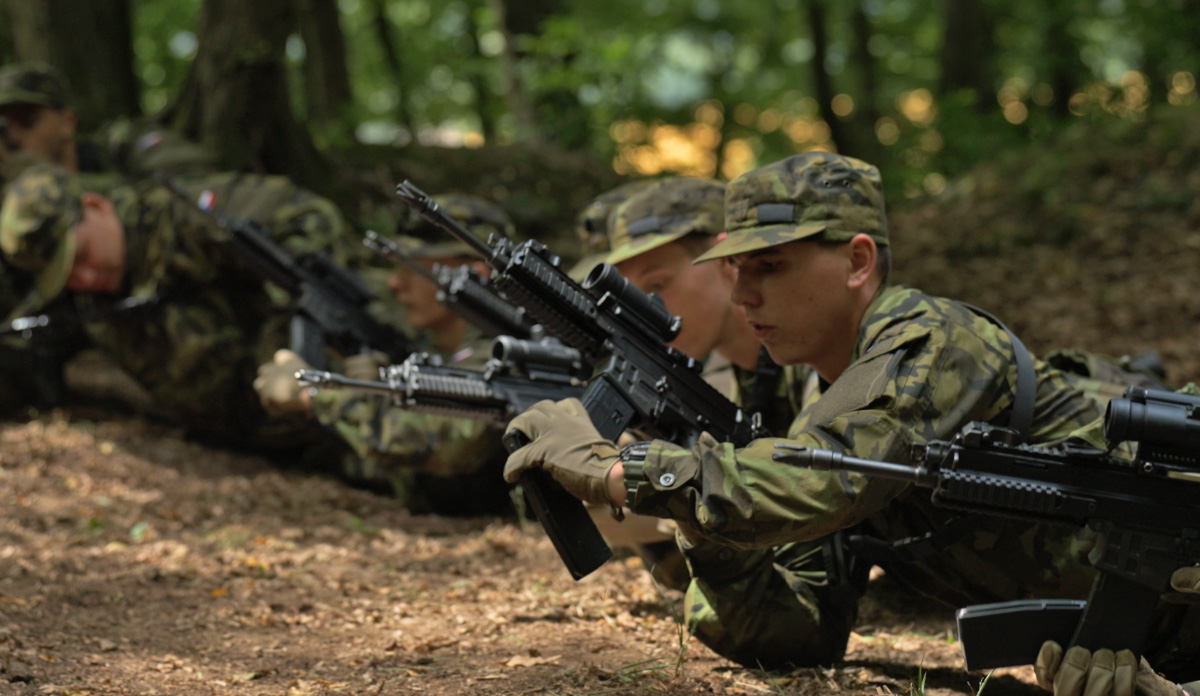
The registration period for high school students to sign up for the four-week summer military training program is coming to an end. Back in February, the program reached capacity within just a few days, even though the military had once again increased the number of available spots compared to last year. There are more than a thousand applicants, but only about 800 of them will be able to participate in the training.
Interest in completing training among high school students is growing
The pilot year of the program was launched in 2024, with 127 young people participating. The Army initially targeted vocational high schools that have long-standing partnerships with military units. The evaluation of the program was very positive – not only did student interest exceed expectations, but participants also expressed significant satisfaction with the training, and the vast majority completed it.
Consequently, capacity for the following year was significantly expanded, and last year as many as 718 students completed the training. The Army’s goal is to provide young people aged 18 to 22 with the knowledge and skills of basic military training, and above all to increase their interest in a career as a professional soldier or service in the active reserves.
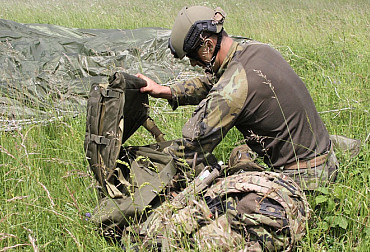
While the Army very much welcomes interest in continuing the collaboration, it does not require it. Upon completion of the training, graduates become reserve soldiers; however, this does not entail any obligations for them in peacetime. Even if they were called upon, for example, to assist in disaster relief efforts, they may decline to participate. However, if they decide to pursue a military career, their enlistment process is streamlined – they are exempt from completing basic military training. Another benefit is financial compensation, which this year will amount to more than 38,000 crowns after taxes.
How European countries work with the younger generation
In Europe, there are several models through which countries seek to increase the younger generation’s interest in national defense on a voluntary basis. The most common are military high schools and classes whose graduates are expected to pursue military careers. Poland, for example, has a sophisticated system where, starting in 2020, schools can open a military class within a grade that collaborates with a specific military unit. At the end of their studies, students undergo several weeks of military training directly at a military base. In 2024, approximately 28,000 young people were enrolled in such classes.
In the United Kingdom, cadet programs operate in high schools and local communities. They were established after World War II and have tens of thousands of participants. Young people aged 12 to 18 participate long-term in weekly meetings, weekend exercises, and summer camps, where they acquire skills in marksmanship, wilderness survival, and military leadership. While they do not automatically become part of the military, statistics show they are more likely to choose a military career than those who do not participate in the programs.
Straddling the line between military and civilian service is the French program Service National Universel for young people aged 15 to 17. It was established in 2019 with the aim of strengthening civil society and the competencies of young people in various areas, including crisis management, national defense, and media literacy. The military is involved only in some of these activities. After a two-week camp, participants must devote at least 84 hours to volunteer service, for example with the fire department or in the social sector. Any subsequent involvement – such as service in the military – is entirely voluntary.
Strengths of the Czech model
The Czech version of the program does not closely resemble any of the systems mentioned above and offers significant advantages over them. It includes real military training, providing a more authentic experience directly with the army; it is also very simple to administer and does not require a significant time commitment. This makes it accessible to a wider range of interested individuals and also maintains considerable flexibility, as the government has no problem adjusting the number of participants each year according to its needs and capacity. The biggest advantage, however, is the high level of interest among young people, which shows that the program aligns well with their preferences.
Related