














Instructors from the Czech Army Ground Forces are perfecting training in movement on snow and ice in mountainous terrain
During the winter months, basic, advanced, and instructor courses in movement on snow and ice are held in the mountainous regions of the Czech Republic to prepare soldiers for operations in demanding mountain terrain. The training here focuses not only on movement in winter conditions, but also on mountain rescue, avalanche search and rescue, treatment of the injured, and transport of the wounded in extreme environments.
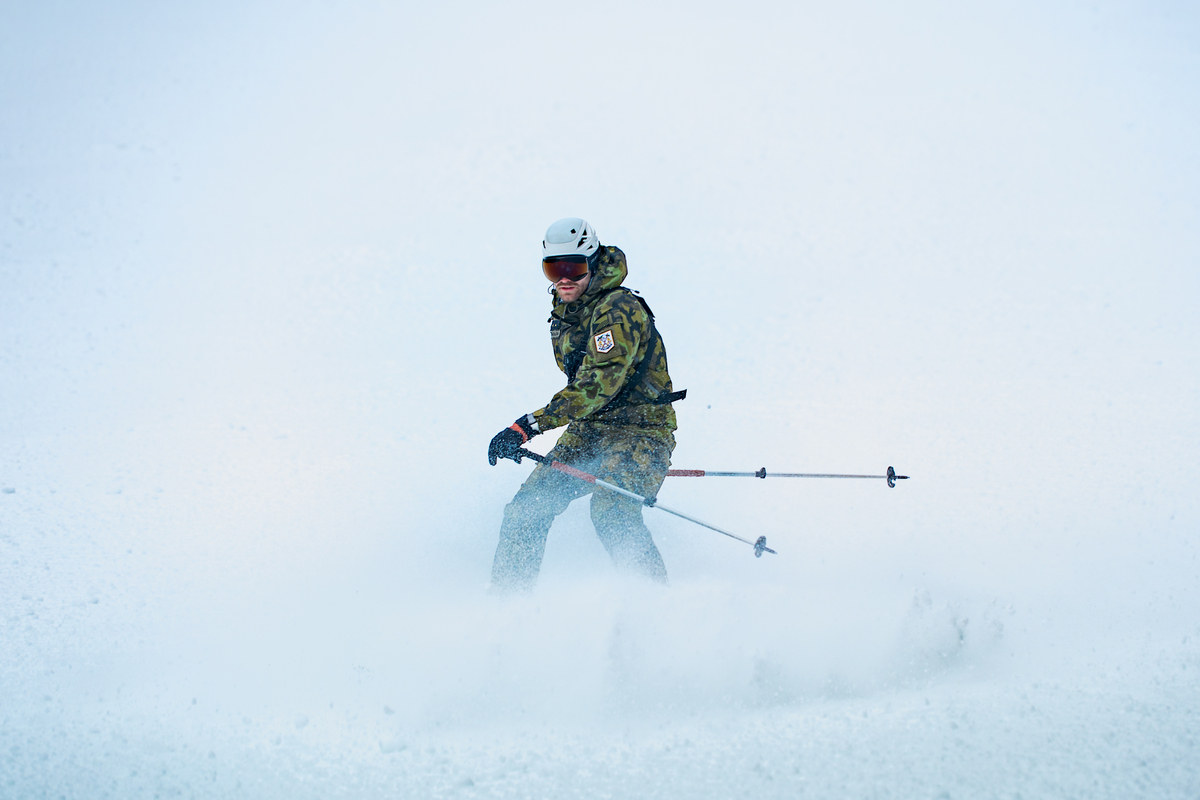
Training in an environment where experience is key
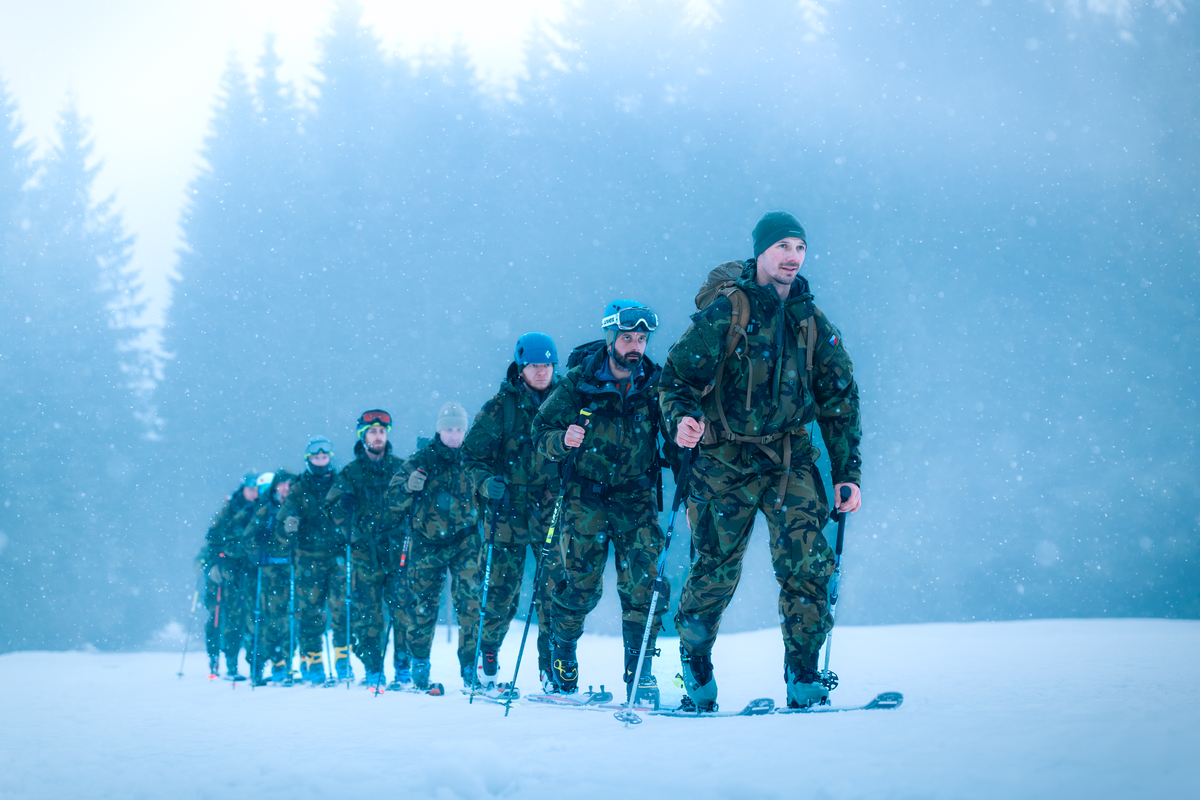
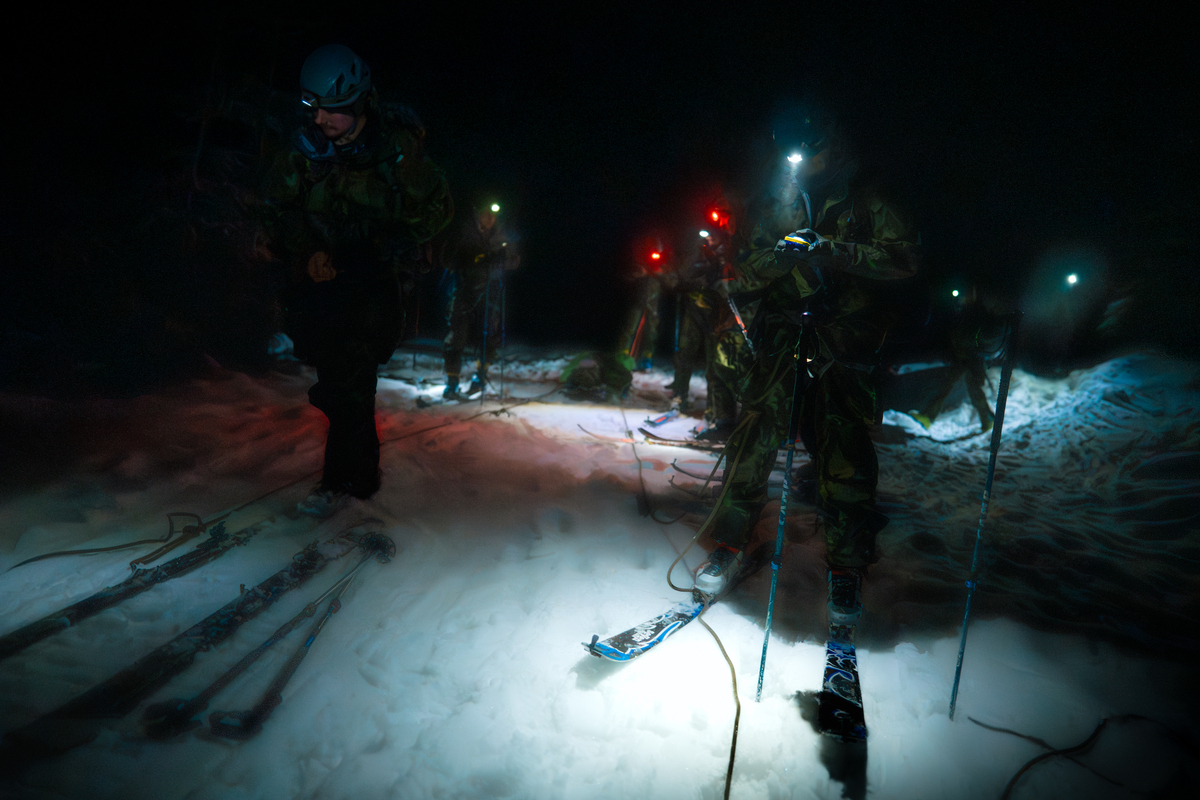
Winter mountain terrain is one of the most demanding environments in which Ground Forces units can operate. That is why soldiers are trained to operate effectively and safely in conditions involving snow, ice, and avalanche danger. The basis of this training is movement on alpine skis, which enable fast and efficient travel in mountainous areas. Participants learn to safely overcome natural obstacles, orient themselves in the landscape, and manage unit movements even in difficult climatic conditions.
Part of the instructor training is also improving orientation in the terrain, which is essential for leading units in mountainous environments when performing tasks in possible combat operations. Instructors learn to plan and manage movement in difficult terrain so that they can safely guide units through mountainous areas, even in situations where speed, accuracy, and the ability to respond to changing conditions are crucial.
An important part of the training is also the ability to assess the current avalanche situation. Soldiers learn to determine the degree of avalanche danger using stability tests and snow profile analysis, which is key to safe planning of activities in winter environments.
Chief instructor of special training for the 7th Mechanized Brigade, Sergeant Petr Stach, emphasizes that mountain training is of fundamental importance for the army. "It's not just about soldiers being able to ski. In the mountains, minutes often make the difference, and everyone must be prepared not only for movement but also for situations where lives need to be saved," he says.
Mountain rescue, avalanches, and transport of injured persons
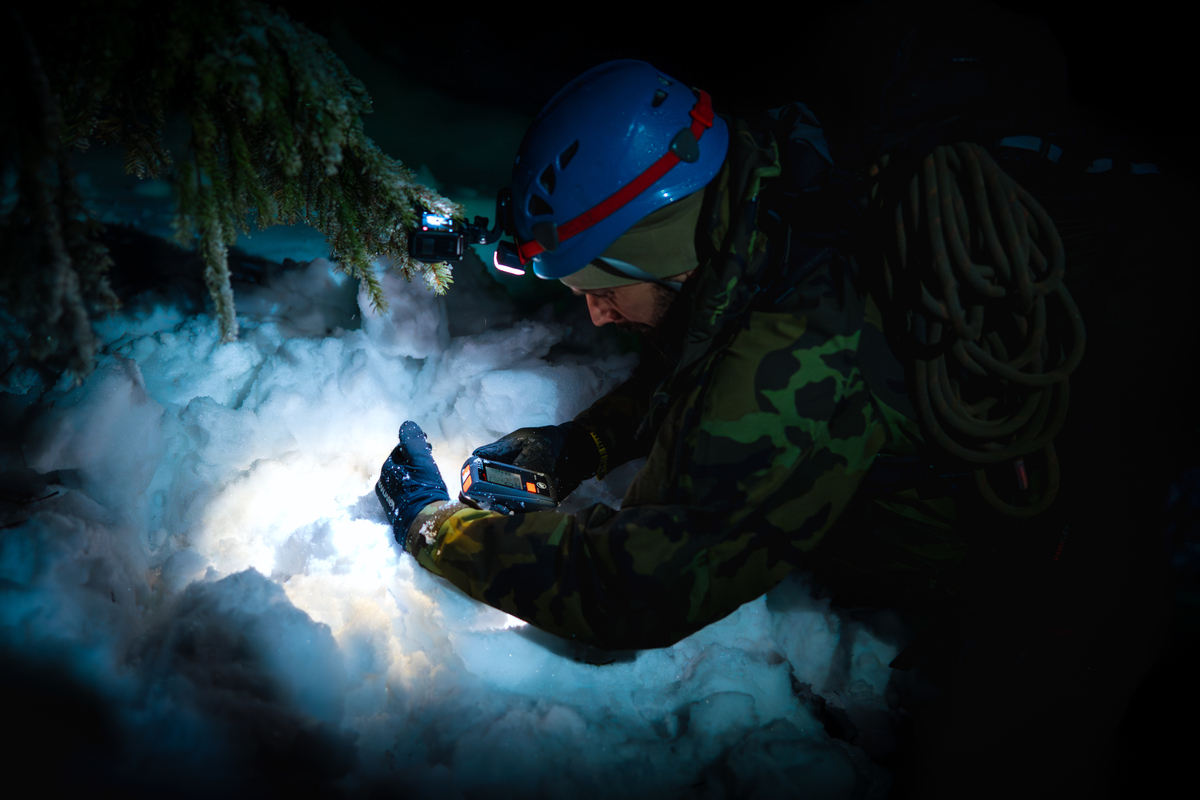
The instructor courses have a significant overlap, and their main idea is not only to improve movement on snow and ice, but above all to provide comprehensive preparation for rescue operations in mountainous terrain. Soldiers train in searching for people buried by avalanches, providing first aid in extreme conditions, and subsequently transporting the injured using improvised means.
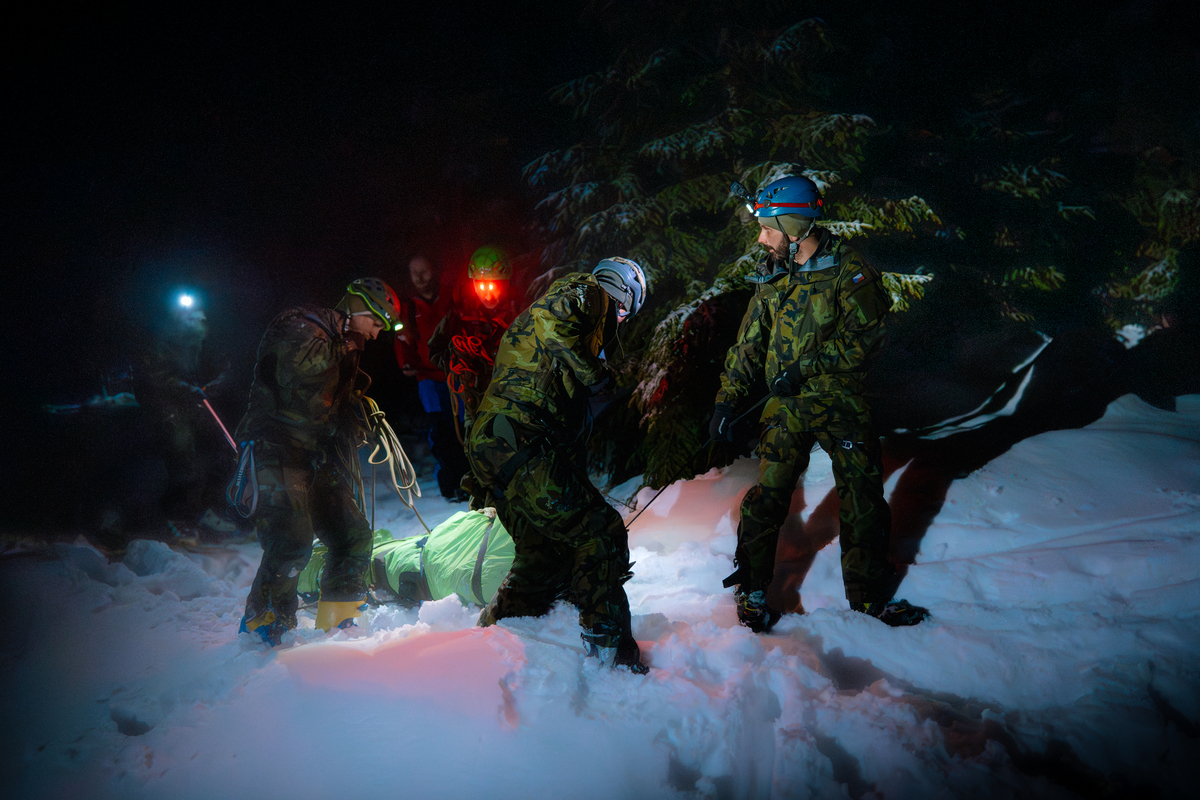
Participants are constantly improving their skills in working with avalanche transceivers, snow probes, and rapid rescue of buried persons. These skills can be decisive in saving lives in real-life situations. The training also includes bivouacking and ensuring thermal comfort, which are essential for the safe functioning of the unit in winter conditions.


"Every instructor must not only be able to lead a unit in the field, but also be proficient in first aid and transporting the injured in conditions where there is no infrastructure. This is one of the greatest benefits of these courses," adds Sgt. Stach.
The basic pillar of training is perfect mastery of skiing skills in any terrain. Helicopters and winter tracked vehicles, such as snowmobiles and snowcats, are also used to transport units, allowing the movement of materials and personnel in areas that are difficult to access.
Cooperation with experts and respect for nature
The courses take place in protected areas, where real winter mountain conditions can be best simulated. The activities of the Czech Army are always carried out in full compliance with nature conservation and in close cooperation with the Krkonoše National Park administration. This long-term cooperation is based on open communication, clearly defined rules, and a common goal, which is to protect the unique mountain environment while maintaining the necessary level of training.
Instructors also work closely with the Mountain Rescue Service and other specialists, for example in the fields of meteorology, medical training, and foreign high-altitude expeditions. Thanks to this, training is constantly evolving and soldiers gain up-to-date knowledge that can be used in operational environments.
This type of training is one of five types of special physical training that are key to the functioning of the army in extreme conditions. Under the leadership of Sergeant Petr Stach and his team, an instructor base is also being created to train other experts in this field for use within the Czech Army Ground Forces.
"The mountains teach humility and responsibility. Soldiers must learn to think several steps ahead, respect the environment, and be prepared to help others. These courses provide skills that are useful not only in operational deployments, but also in situations where lives may be at stake in the mountains," concludes platoon instructor Petr Stach.
The courses on moving on snow and ice thus provide soldiers not only with the technical skills to move in winter terrain, but also with comprehensive preparedness for rescue situations, which in extreme conditions can determine the success of a mission and the saving of human lives.