
















Ghost Hunters 2026: The Czech Army Tested the Eyes and Ears of the Modern Battlefield
The Czech Armed Forces recently conducted the Ghost Hunters 2026 exercise, which aimed to “test the Czech Armed Forces’ eyes and ears on the modern battlefield” through the deployment of intelligence, reconnaissance, and electronic warfare units. The exercise was organized by the 53rd Reconnaissance and Electronic Warfare Regiment. The editorial staff of CZ DEFENCE was invited to participate in this two-week exercise, which involved more than 1,000 soldiers across several locations throughout the Czech Republic. The key areas were the Libavá and Boletice military training areas.
This is a significant exercise for the combat readiness of the Czech Armed Forces, as this year’s exercise represented the most comprehensive assessment of capabilities in intelligence support, reconnaissance, and electronic warfare. Soldiers practiced the entire chain of operations – from gathering, evaluating, and transmitting information to deploying mechanized units in coordination with electronic warfare systems. The rapid and secure transmission of information from the battlefield to headquarters and back was one of the key elements of this year’s Ghost Hunters exercise, the previous edition of which took place in 2024.
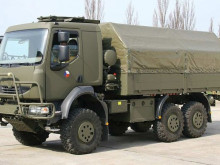
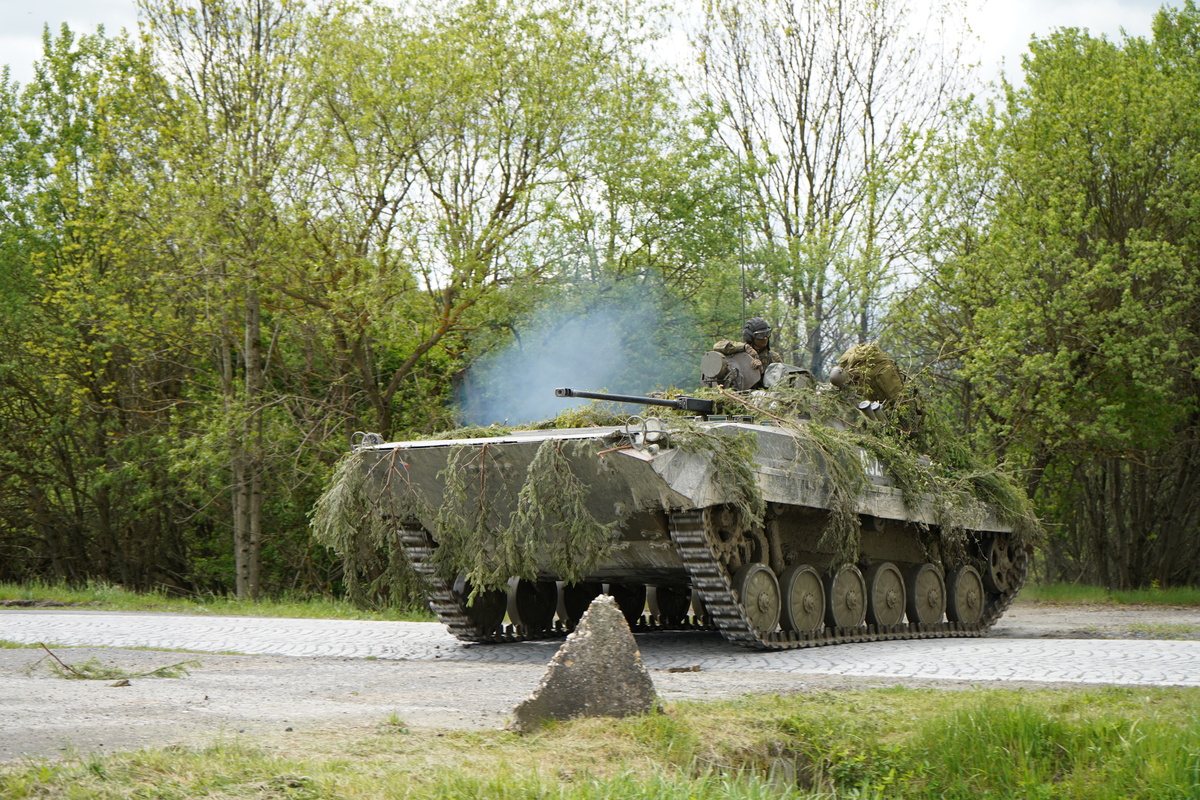
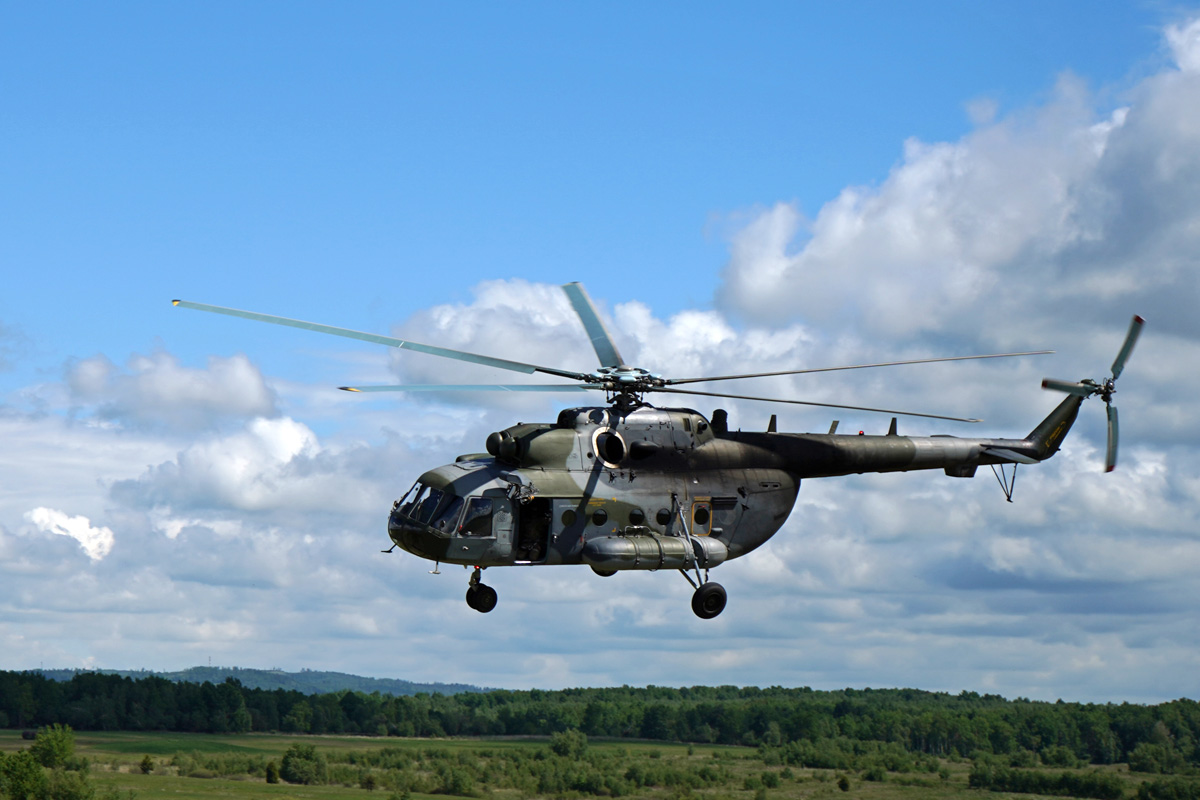
Our editorial team observed one of the final maneuvers at the Libavá military training area, where the exercise culminated. The highlight was an assault by a mechanized company, supported by a Czech Air Force helicopter. However, the key role in electronic warfare was played by the STARKOM mobile jammer mounted on a Tatra Force chassis, positioned in the adjacent forest, from where it covered the advance of the mechanized unit with BVP-2 vehicles.
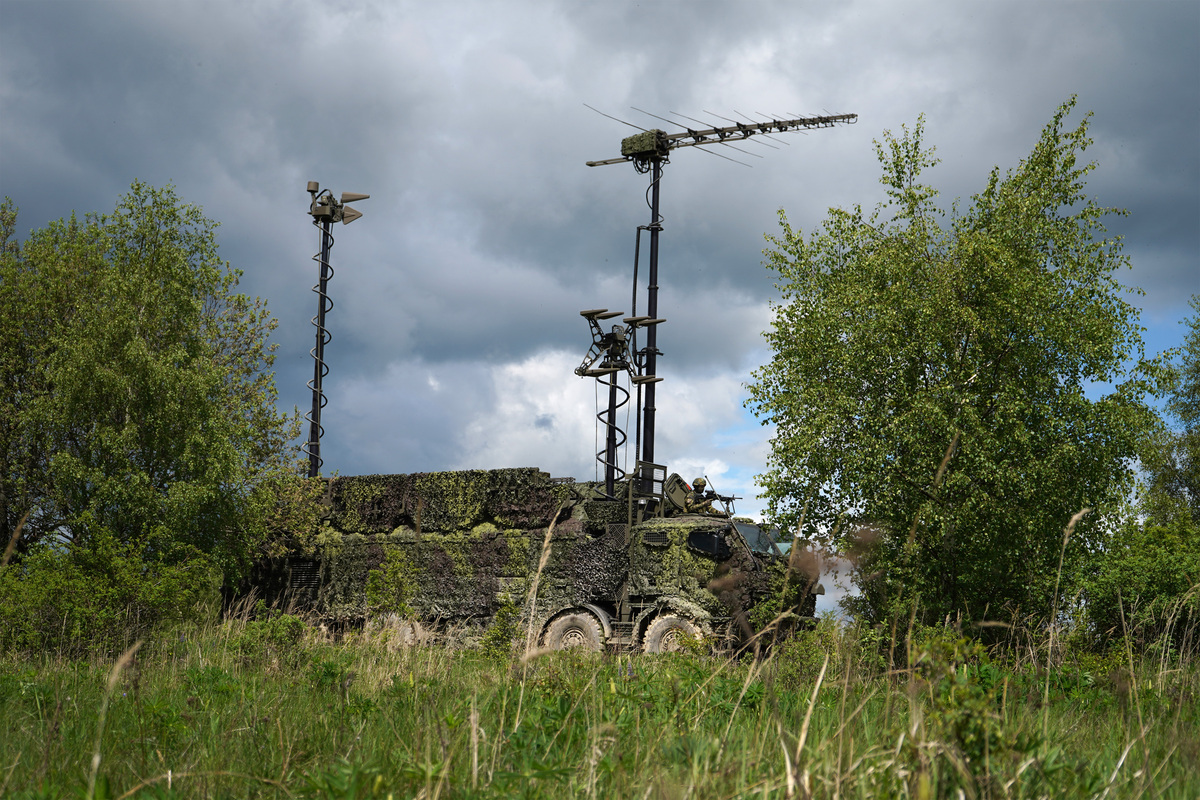
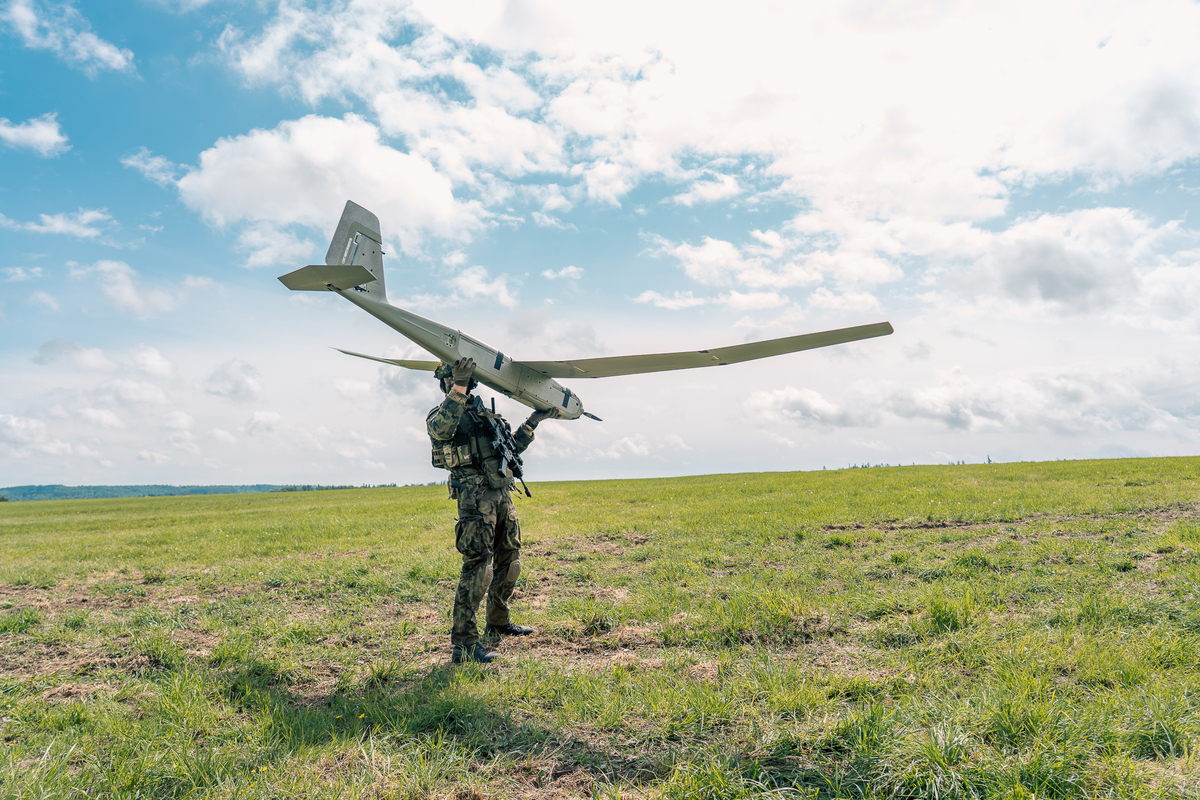
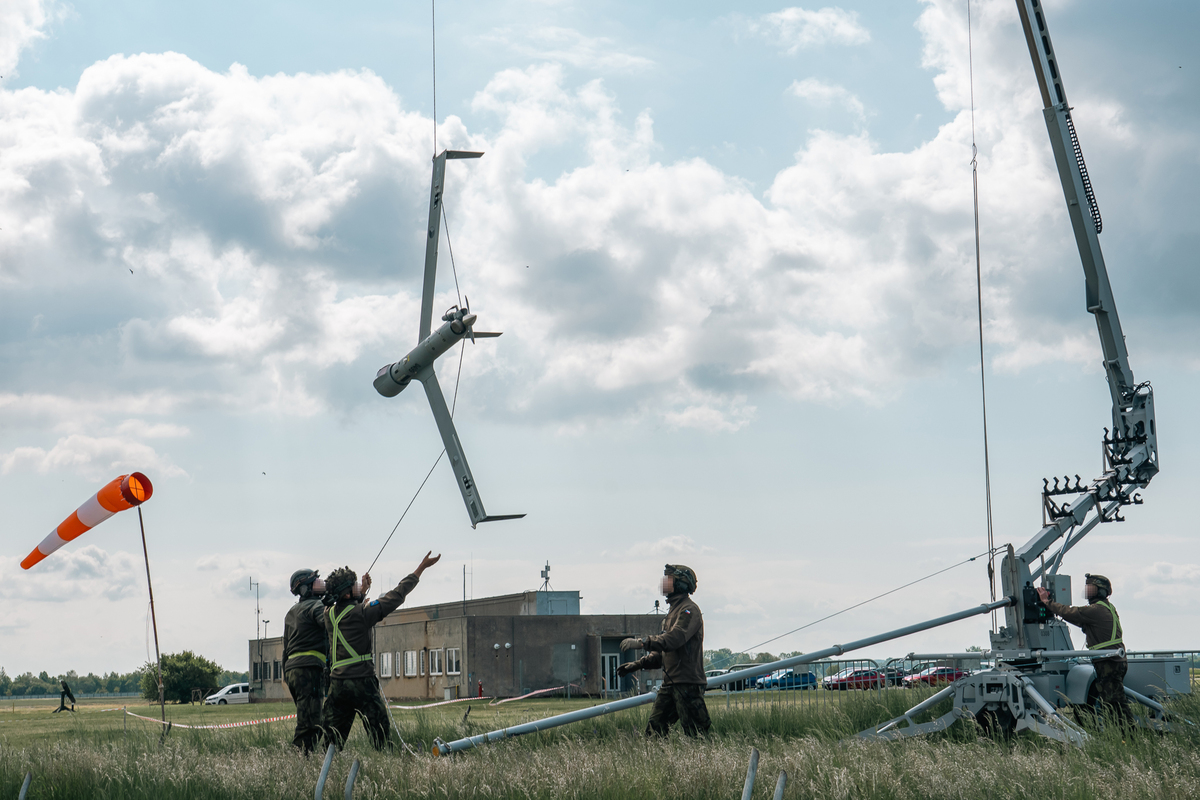
However, the exercise made use of a broader range of capabilities available to the 53rd Regiment. Reconnaissance teams were deployed, including deep reconnaissance; airborne insertions from CASA aircraft and helicopters were tested, as were vehicle-based movements. The area was monitored by Puma, Scan Eagle, and Vážka unmanned aerial vehicles. The electromagnetic spectrum was monitored by an electronic warfare platoon; the passive detection system DPET was deployed, and jamming was provided by the aforementioned STARKOM systems. In the civilian sector, human intelligence specialists were operating. All data was then processed at field command posts.
During the exercise, soldiers operated in an environment affected by electronic warfare measures, which have become increasingly important in recent years. Both sides seek to jam the enemy’s communications, disrupt data links between units, or disable navigation systems. Signal jamming can thus significantly reduce the effectiveness of drones, guided munitions, and the coordination of units on the battlefield.
On the 21st-century battlefield, it is not just the number of troops, equipment, and ammunition that matters. Today’s armies need to have a precise overview of what is happening on the battlefield; they must quickly gather, assess, and pass on information, while also being able to respond to threats from drones, electromagnetic jamming, and enemy surveillance.
Drones, in particular, are playing a key role in the war in Ukraine. They have literally flooded the battlefield. Both sides use them for reconnaissance, guiding artillery fire, and direct attacks on soldiers, equipment, or infrastructure. The front lines are under their constant aerial surveillance. Hiding troops is thus more difficult than ever, and even the Czech Armed Forces must prepare for these changes on the battlefield. During the Ghost Hunters 2026 exercise, soldiers worked with small reconnaissance drones directly in the field. Emphasis was also placed on countering these unmanned aerial vehicles.
As previously mentioned, the exercise was organized by the 53rd Reconnaissance and Electronic Warfare Regiment, which possesses capabilities in the areas of intelligence, reconnaissance and surveillance, electronic warfare, and geographic and hydrometeorological support. The regiment bears the honorary name “General Heliodor Píka” in honor of one of the most significant Czechoslovak military diplomats and legionnaires. The regiment was established on December 1, 2013, and today comprises the 102nd Reconnaissance Battalion, the 532nd Electronic Warfare Battalion, the 533rd Unmanned Aerial Vehicle Battalion, and the ISR Center.
During the exercise, the CZ DEFENCE editorial team had the opportunity to interview three representatives of the Czech Armed Forces in senior command and control positions.
Col. Ivan Mahr – Commander of the 53rd Reconnaissance and Electronic Warfare Regiment
The commander of the 53rd Regiment is Colonel Ivan Mahr, who naturally could not miss the Ghost Hunters 2026 exercise. According to him, this year’s edition focused primarily on increasing the effectiveness of command posts and improving command and control processes. Emphasis was also placed on troop protection.
“Our reconnaissance, electronic warfare, and unmanned systems capabilities are being tested in real combat conditions. This year, we focused primarily on increasing the effectiveness of command posts. We also addressed issues related to troop protection,” said Colonel Mahr.
Electromagnetic warfare plays a significant role in the exercise; according to Colonel Mahr, it is becoming one of the decisive factors in contemporary conflicts. “Control of the electromagnetic spectrum often determines how the overall operational situation will develop,” he explained. Every asset on the modern battlefield is an emitter that affects the electromagnetic spectrum. The ability to operate in this environment, gather information, or, conversely, jam the enemy is therefore essential for the success of an operation today.
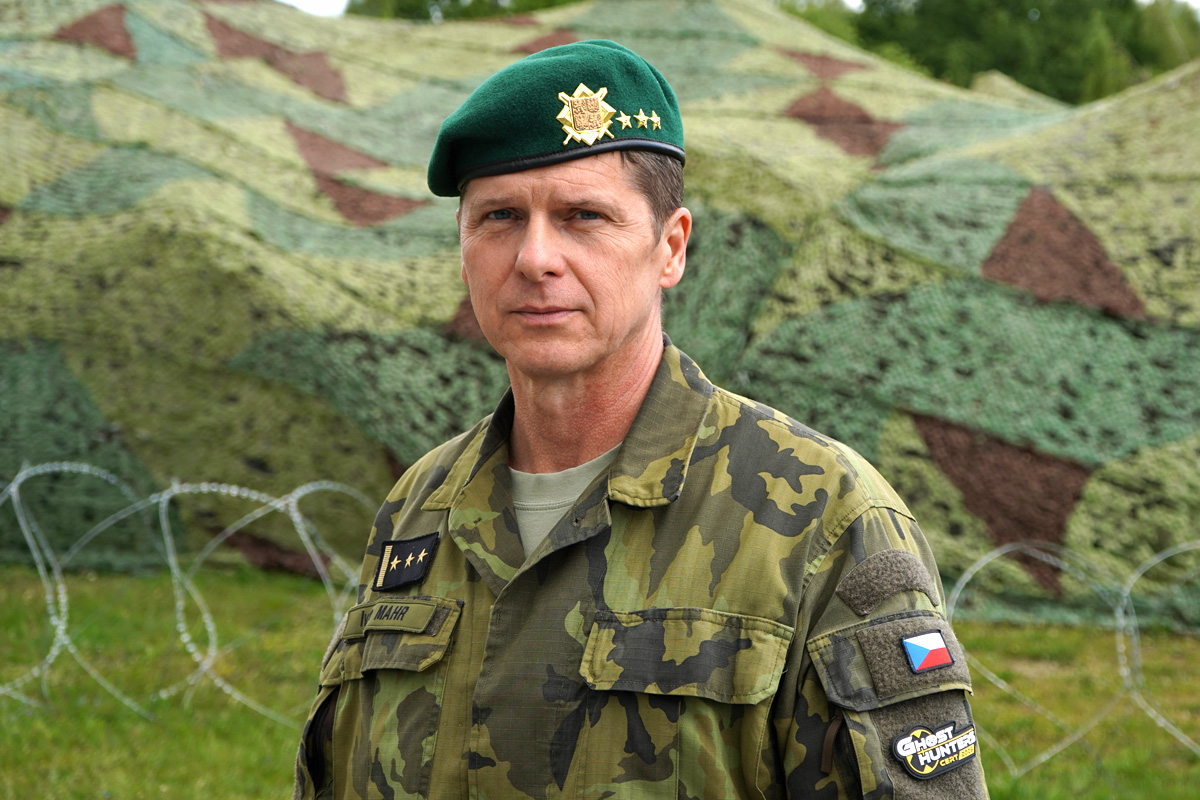
“Whether through electromagnetic effects or by influencing the electromagnetic spectrum, we are striving to create better conditions for our own combat operations. So, generally speaking, electromagnetic warfare in today’s environment is becoming one of the key factors in ensuring combat success,” summarized Colonel Mahr.
According to the commander, the 53rd Regiment’s priority remains the ISR process – surveillance, reconnaissance, and intelligence gathering. Units must be able to locate a target as quickly as possible, identify it, link it to the targeting process, and subsequently assess the effect of the action on that target. “We call this the sensor-effector chain for short,” explained Colonel Mahr, noting that this principle represents one of the fundamental elements of modern combat operations.
During the exercise, significant attention was also paid to the issue of unmanned aerial vehicles and protection against them. According to Colonel Mahr, counter-drone measures are becoming an essential part of the training for virtually all units deployed in combat operations. The threat posed by unmanned aerial vehicles is constantly growing, regardless of their size, flight altitude, or method of use. “We are currently focusing on implementing our internal measures. This means we have established basic combat drills related to anti-drone measures. We are learning to use protection against attacks from above, and of course we also have detection capabilities to create situational awareness regarding drone use and to warn units in a timely manner,” added the commander of the 53rd Regiment.
Lt. Col. Gustav Lakoš – Commander of the 102nd Reconnaissance Battalion
Lieutenant Colonel Gustav Lakoš, commander of the participating unit, also commented on the exercise, noting that Ghost Hunters is not a one-off scenario but a training system developed over the long term. The exercise is repeated regularly in two-year cycles and is closely linked to other training for reconnaissance units. “For example, as a reconnaissance battalion, we conduct the Clear Sign exercise every year,” explained Lieutenant Colonel Lakoš.
According to Lieutenant Colonel Lakoš, the main tasks of this year’s exercise included unit certification, as well as the certification of the reconnaissance company for deployment to a foreign operation in Lithuania. In addition, the unit also focused on optimizing command posts and management processes. Lakoš considers the ability to effectively coordinate reconnaissance elements, electronic warfare, and unmanned systems to be one of the most important aspects of modern operations.
According to him, coordinating all capabilities in real time is extremely challenging and depends primarily on the situation in which the unit finds itself. However, he noted that the advantage is that those in command positions are well acquainted with the capabilities of the units they lead. “Reconnaissance, electronic warfare, and unmanned systems are all managed by soldiers who have served in those units and know exactly how they operate,” he said.
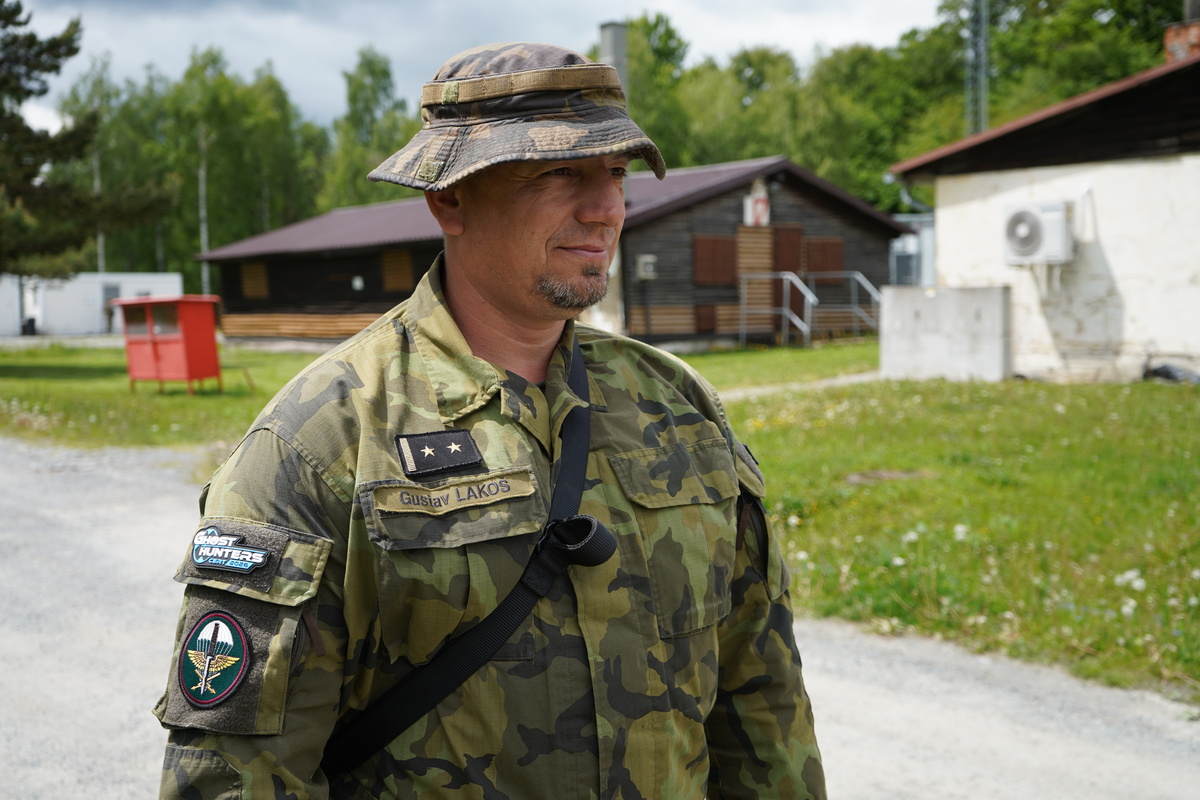
According to Lieutenant Colonel Lakoš, the military is working to downsize command structures and streamline and accelerate decision-making processes. The speed of command and the ability to respond to changing situations are among the key elements of the modern battlefield. Digitalization and modern software tools play a major role in the management of operations today.
The exercise itself is not focused on simulating the full spectrum of warfare, but on specific areas that need to be tested and improved. “We are never able to simulate the full spectrum of combat, so we must focus individual exercises on specific areas. In each area, we prepare or verify the composition of units and command staffs, and determine whether the command system is optimal. In doing so, we strive to optimize the system so that we are prepared for future challenges and threats,” said Lieutenant Colonel Lakoš. The commander of the training unit also spoke about the challenges his unit faced during the exercise: “The greatest real-world challenge was the robustness of communications and the ability to maintain secure communications within the unit.”
Ghost Hunters considers the practical experience that individual soldiers gain from the exercise to be its primary benefit. For many of them, this was their very first major exercise or their first experience operating in demanding conditions. “For drivers, for example, this may be the first time a given driver has operated a vehicle in such complex terrain conditions. For an operator of a specific weapon system, this is the first time they’ve been deployed with that particular system. For the commanders of these systems, who haven’t been in their current positions for long, this is their first experience leading a team of people facing threats,” noted Lieutenant Colonel Lakoš.
“In their current positions, soldiers are gaining experience so that they are prepared and capable of holding higher and more complex positions,” concluded the commander of the training unit. According to him, it is precisely this gradual acquisition of experience and the development of the capabilities of both individuals and entire teams that represents one of the most important purposes of such exercises.
Lt. Col. Michal Pírek – Exercise Director
Lieutenant Colonel Michal Pírek also addressed the evolving nature of contemporary conflicts and the growing importance of electronic warfare during the Ghost Hunters 2026 command post exercise. According to him, this year’s exercise scenario was designed with an emphasis on approximating the real conditions of current armed conflicts as closely as possible. The primary inspiration came from experiences in Ukraine and conflicts in the Middle East. “We wanted to simulate the real conditions of what is happening in the world, specifically in areas of armed conflict,” said Lieutenant Colonel Pírek.
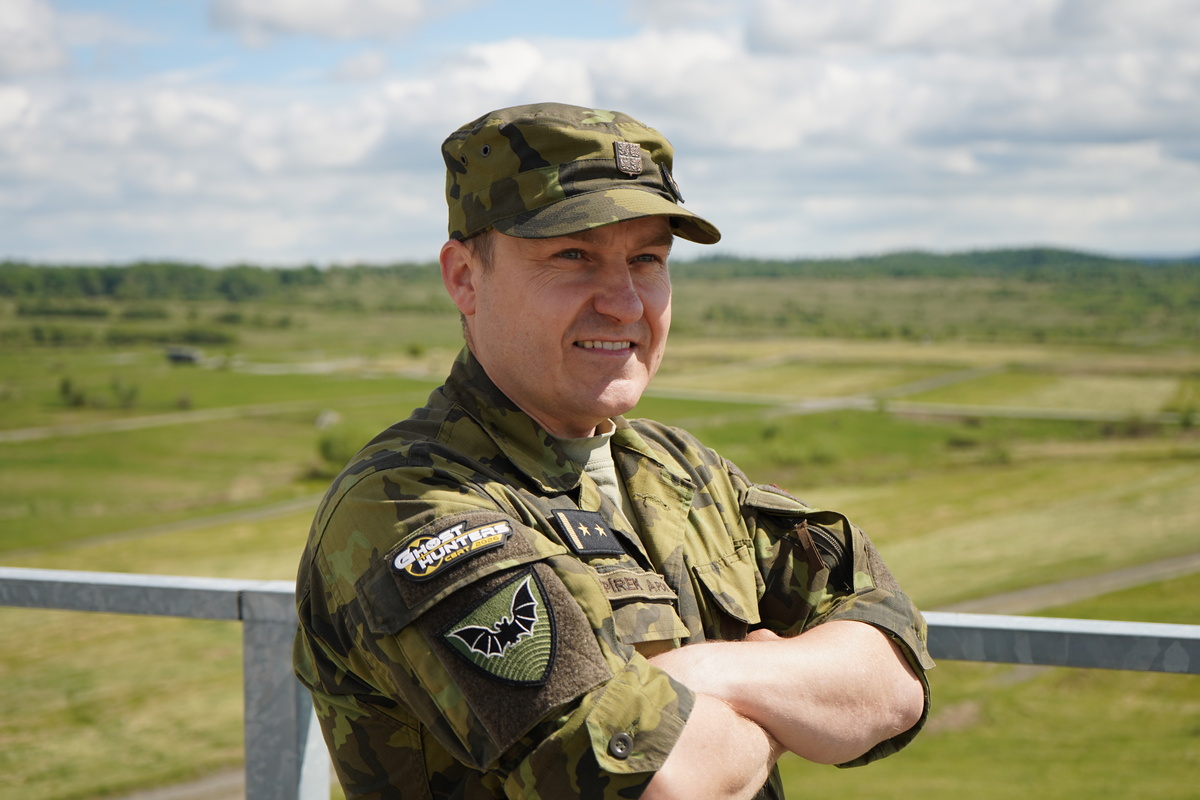
The exercise therefore included not only traditional reconnaissance tasks, but also the intensive use of unmanned aerial vehicles, electronic warfare, and the actions of an adversary equipped with modern technology. According to Pírka, the units representing the so-called “opposing forces” (i.e., forces playing the role of the adversary) had at their disposal resources similar to those used by real adversaries on today’s battlefields. In addition to reconnaissance capabilities, the focus was primarily on unmanned systems and electromagnetic spectrum jammers. “We are trying to adapt to the turbulent evolution of trends in modern military conflicts,” he noted.
We also asked the exercise commander what the main evaluation criteria for the success of the units involved in the exercise were. Lieutenant Colonel Pírek explained that the units were evaluated according to standardized national certification criteria.
According to Pírek, preparations for an exercise of this scale take place over the long term and include a series of staff drills, war games, and coordination with foreign partners. An international participant in Ghost Hunters 2026 was the 65th Reconnaissance Battalion from Prešov, Slovakia, which also participated in the 2024 edition.
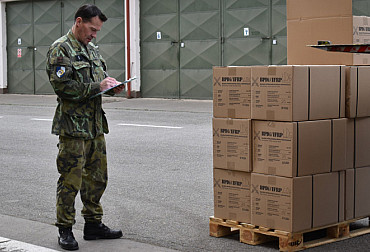
“We have hundreds of soldiers here, both on the side of the training units and in the ranks of the opposing forces. On top of all that, there are the practical logistics – we need to provide all the soldiers with field accommodations, food, hygiene supplies, ammunition, and other equipment. An exercise like this is therefore very demanding in terms of planning and coordination. Everything has to run like a well-oiled machine. And now, at the conclusion of the exercise, I can say with a clear conscience that it worked very well for us this time,” concluded Lieutenant Colonel Pírek.