















Drones, frost, and nights in the trenches: The 72nd Mechanized Battalion trained for modern warfare at Libavá
During the last week of November, soldiers from the 72nd Mechanized Battalion "Major General Josef Buršík" from Přáslavice spent time training at the Libavá military training area. Temperatures in the training area ranged from a few degrees above zero during the day to approximately minus eight degrees at night, with snow showers, rain, and wind.
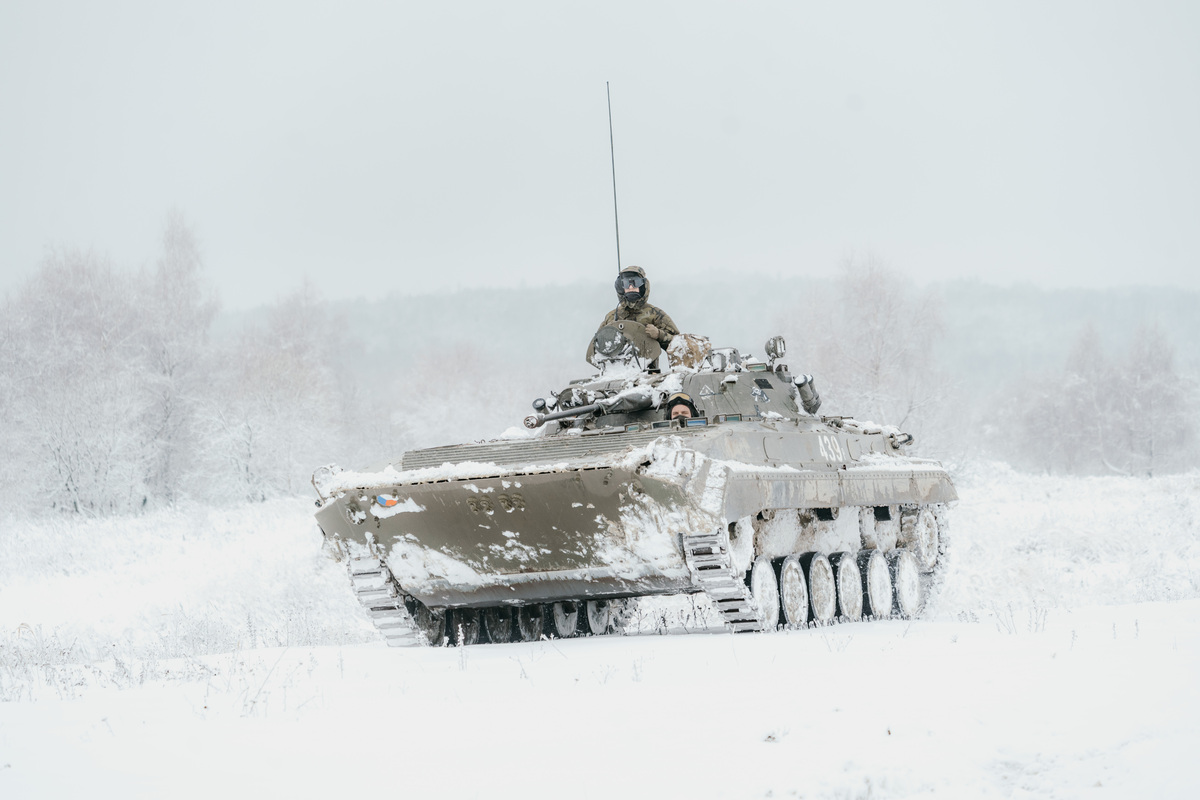
Under these conditions, the 1st Mechanized Company completed its maintenance training, while the battalion's active reserve company underwent comprehensive field training. The common denominator for both training units was preparation for the current battlefield, including the systematic integration of drones into tactical scenarios.
Winter as another adversary
For most soldiers, the most difficult part of the week was not a single task, but the combination of weather and pace. Walking in slushy snow, frozen terrain, and mud, long hours in firing positions, and working with equipment in the freezing cold tested their physical and mental endurance.
While the 1st Mechanized Company practiced offensive operations focused on enemy logistics, the active reserve company concentrated on small arms firing, combat squad firing, and training in the use of hand grenades. All this was done in the context of defending the platoon's strongpoint, responding to drone threats, and raiding the enemy's tactical command post.
"We can replenish ammunition and equipment. It's worse when we run out of strength and stamina. In this kind of weather, the cold is another enemy that soldiers have to learn to deal with," says one of the battalion`s members, summing up the atmosphere of the training.
1st Mechanized Company: logistics, drones, and a hidden command post
The maintenance training of the 1st Mechanized Company was based on a scenario in which the company attempted to strike the enemy where it was most vulnerable, namely in its logistics. The task was to search for and destroy logistic convoys, ammunition depots, and command and control posts.
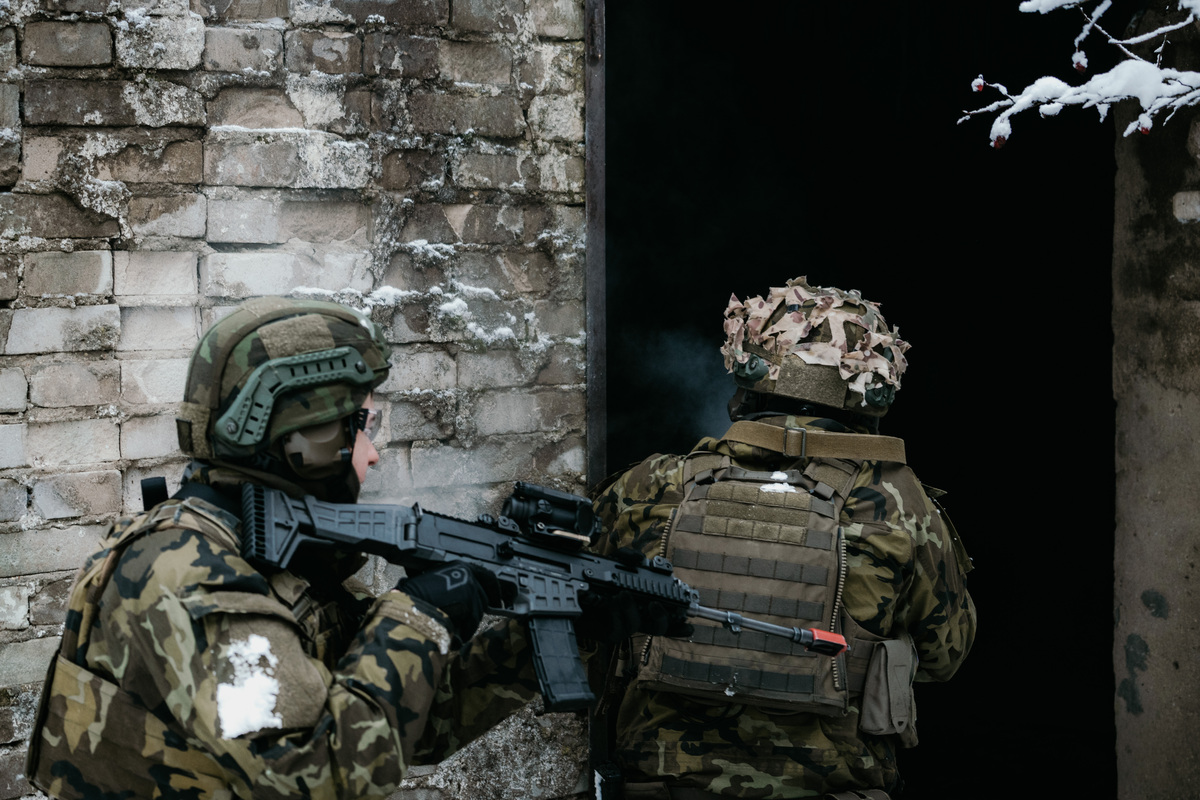
The soldiers moved without direct support from combat vehicles, relying on their own weapons and equipment. Foot marches in difficult terrain were interspersed with ambushes and raids. When attacking the enemy's tactical command post, CQB/FIBUA tactics were practiced, i.e., combat in built-up areas – transition from forest to built-up areas, movement in streets and buildings, and working in small teams.
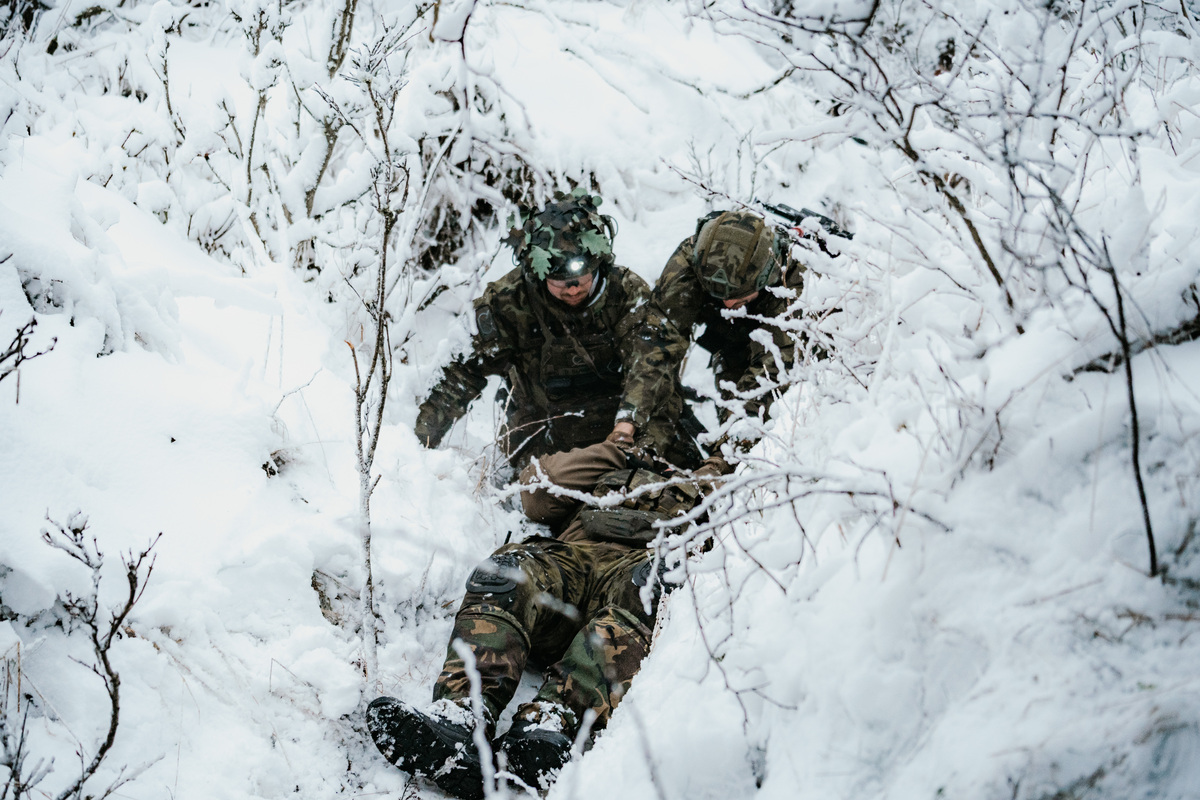
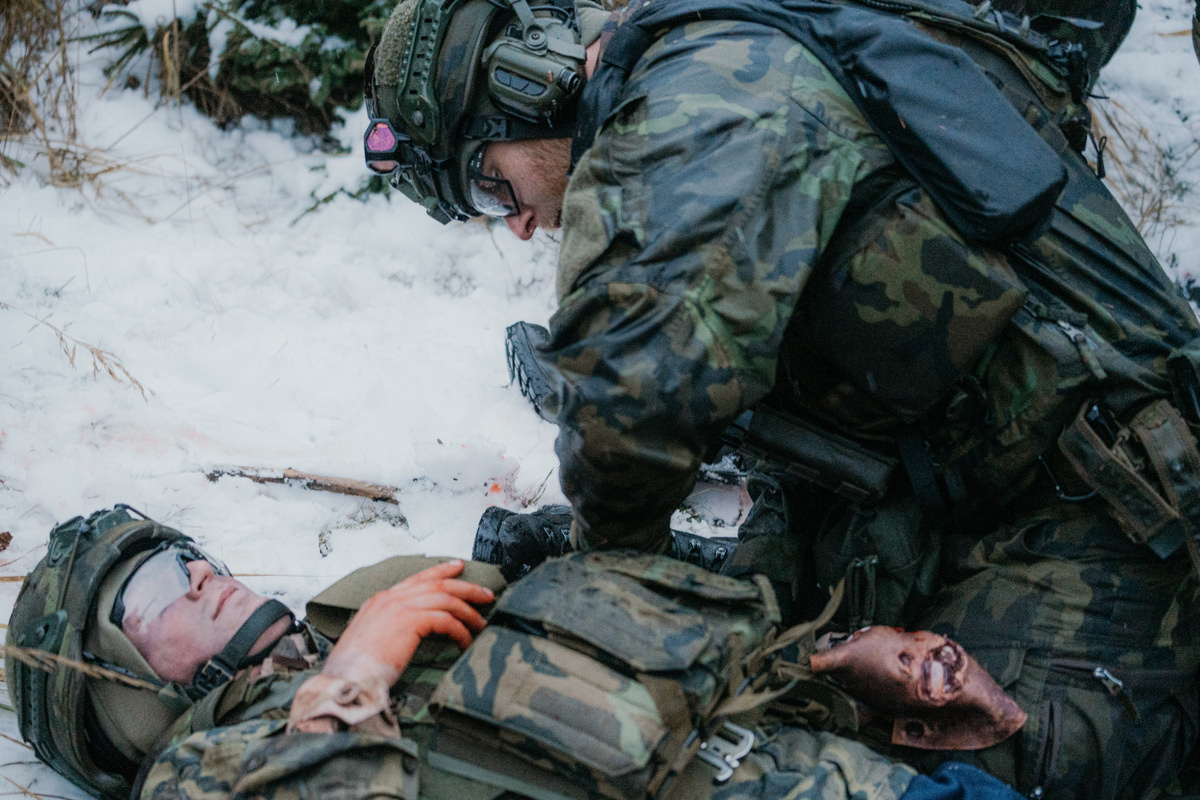
The scenario also included a simulated drone attack on a vehicle resupplying the unit. The attack caused "injuries" to several soldiers, and Combat Lifesaver (CLS) medics were called in to treat and evacuate the wounded in freezing conditions, amid noise and with limited cover.

The tactical command post of the company also looked different from in the past. Whereas previously a location with a good view was chosen, today commanders are more concerned with protection from drones and the possibility of targeting in the electromagnetic spectrum. The TITUS communications vehicle, assigned to the communications platoon, was therefore hidden in an old garage. The actual connection with subordinate units was made from another building using an optical cable and a portable set. The company commander was thus able to direct operations from a protected, camouflaged location without losing sight of the situation in the deployment area.
Active reserve: a night in the trenches and comprehensive field training
The 72nd MPR active reserve company underwent comprehensive field training at Libavá, which tested not only their shooting skills but also their ability to function in the field for several days at a time. After initial small arms firing and combat firing by squads, there was hand grenade throwing and tactical tasks in defending the platoon's strongpoint.
Wednesday and Thursday were mainly devoted to tactics. Active reservists slept in trenches and field positions, performed tasks in a state of constant threat, and responded to changes in the situation and drone threats. Responses to drones included tactical measures, camouflage, cover, changes in deployment, as well as simulated consequences in the form of injuries and the need to evacuate the wounded.
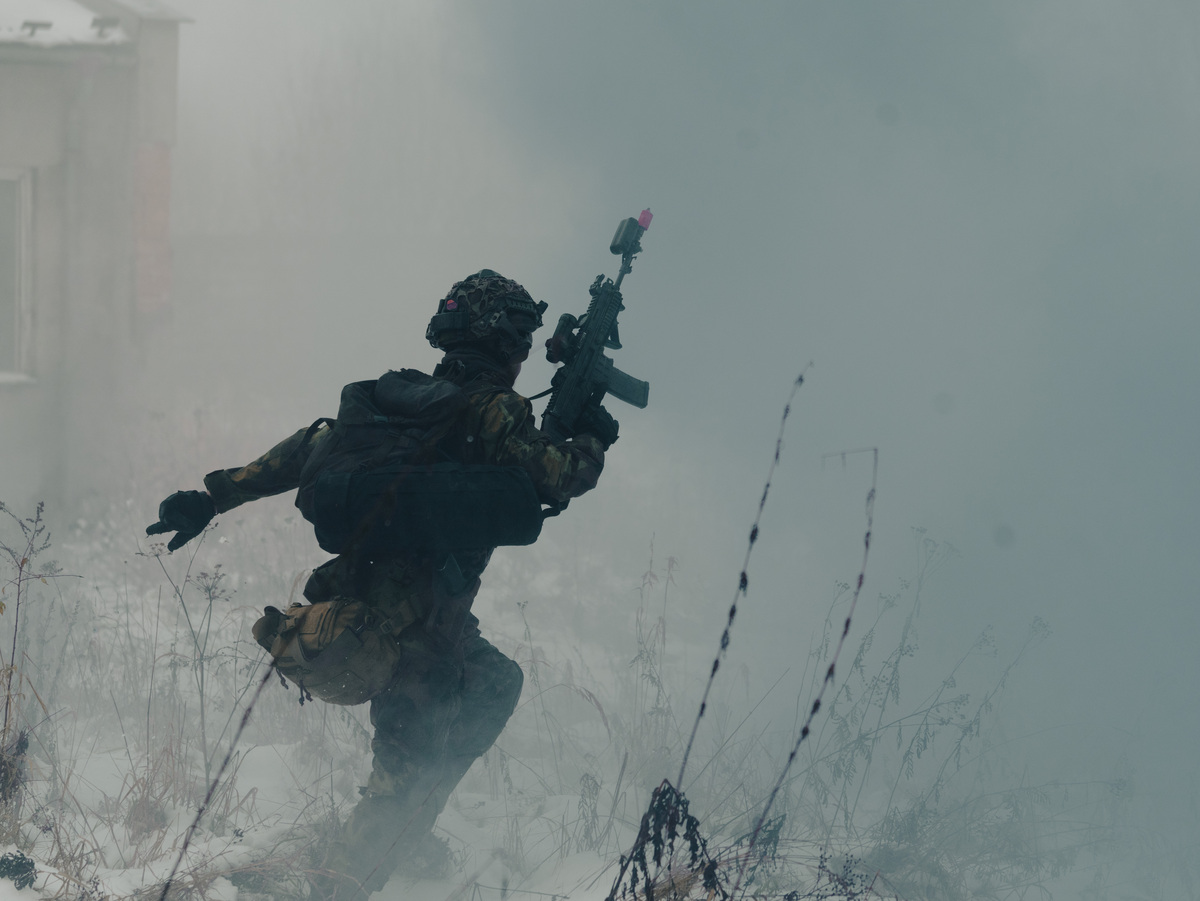
As part of the scenario, the active reserve company also carried out an attack and ambush on the enemy's command post. The exercise thus followed up on a similar issue addressed by the 1st Mechanized Company, only on a different scale and with a different distribution of forces. Active reservists thus had the opportunity to experience the modern battlefield not only "at the shooting range," but also in the tactical development of the situation over time.
Mortars, repairmen, signalmen, and security
Comprehensive field training would not be possible without the support of other battalion specialists. Mortars provided fire support during training, tank repairmen worked in workshops and ensured the readiness of equipment, and signalmen cooperated with the communications platoon to ensure communications. Scouts trained together with the reconnaissance platoon, and the security platoon provided complete logistical and material support for the training.
One of the goals of the comprehensive field training was to connect the active reserves with professionals in various fields. This allowed the active reservists to experience functioning in a real battalion setup with mortar fire support, repair services, professional reconnaissance, and logistical support.
The same battlefield for professionals and active reserves
Joint training of the 1st Mechanized Company and the Active Reserve Company at Libavá showed that the modern battlefield knows no difference between "professionals" and "reserves" when it comes to threats. Winter, drones, logistics, combat in built-up areas, and the need for rapid treatment of the wounded are all elements that both types of units must learn to work with.
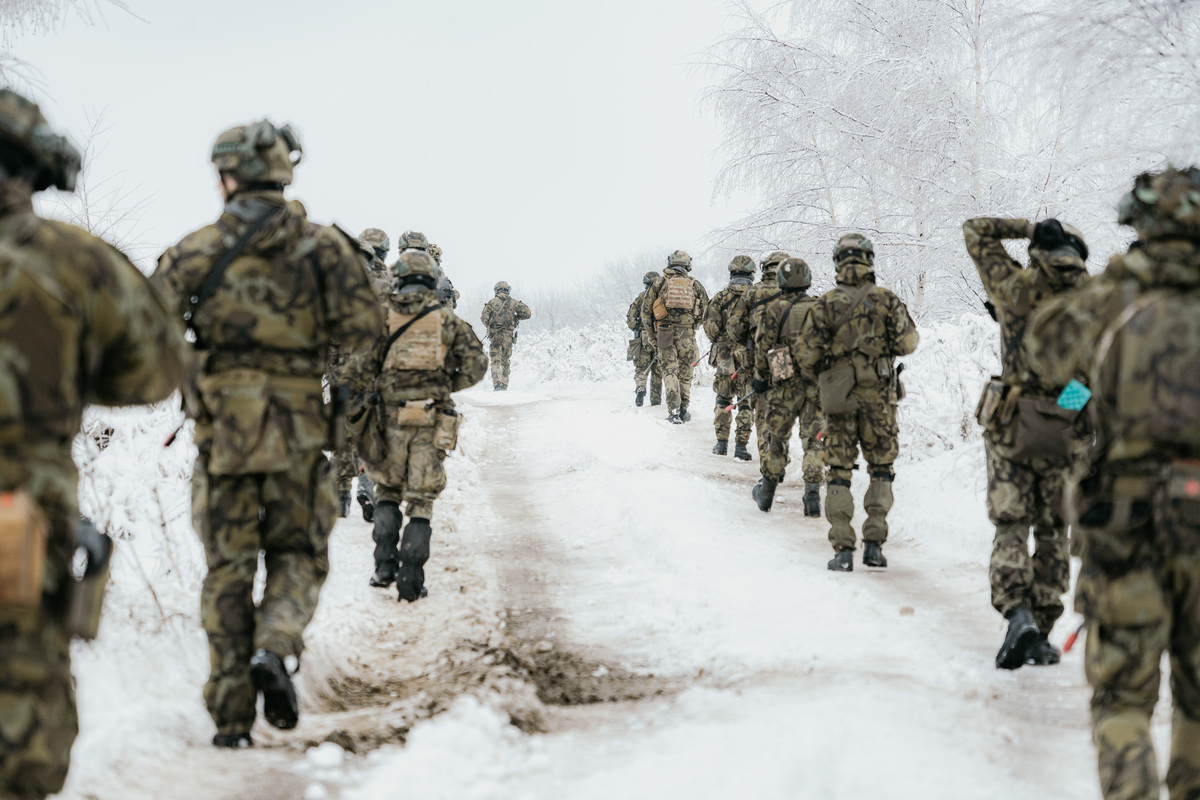
"We follow the rule 'Train as you fight'. We try to make training as realistic as possible. It doesn't always work out, but that's what training is for—to find mistakes, correct them, and not repeat them in real combat," summarizes the training manager of the 72nd Mechanized Battalion.